How Scientists Track the Dangerous Signs of Salmonella in Modern Foods
How medical research maps infection incubation windows, tracking public health risks in modern food supplies.
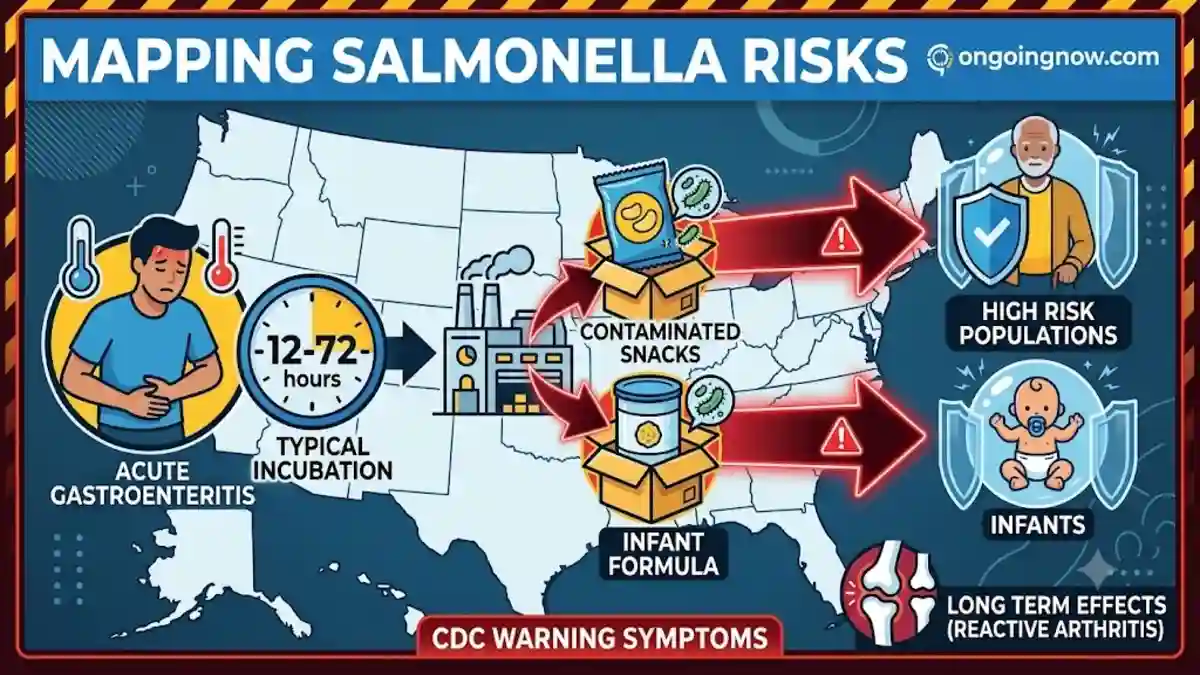
Understanding the signs of salmonella from contaminated food is vital for public health. Clinical evidence outlines the salmonella food poisoning incubation period as a critical window for tracking outbreaks. When individuals consume compromised items, spotting severe foodborne illness warning signs can prevent major complications. Whether treating bacterial infections from potato chips or managing gastroenteritis from contaminated dairy powder, accurate salmonellosis diagnosis and medical tests ensure targeted care. Understanding the distinct clinical symptoms of foodborne pathogens helps protect high risk populations for salmonella. Addressing these vectors mitigates severe food contamination health consequences and the documented long term effects of salmonella poisoning across modern food supply chains.
The Centers for Disease Control and Prevention (CDC) estimates that Salmonella bacteria cause approximately 1.35 million infections, 26,500 hospitalizations, and 420 deaths in the United States annually. The World Health Organization (WHO) identifies non-typhoidal salmonellosis as a global public health priority due to its persistent economic burden and widespread presence in agricultural systems. Dr. Robert Tauxe, Director of the Division of Foodborne, Waterborne, and Environmental Diseases at the CDC, notes, “Contamination can occur anywhere along the food production chain, from agricultural runoff to processing facilities.” Researchers at the Harvard T.H. Chan School of Public Health have linked modern processing vulnerabilities to unexpected vehicles of transmission.
Identifying Signs of Salmonella from Contaminated Food
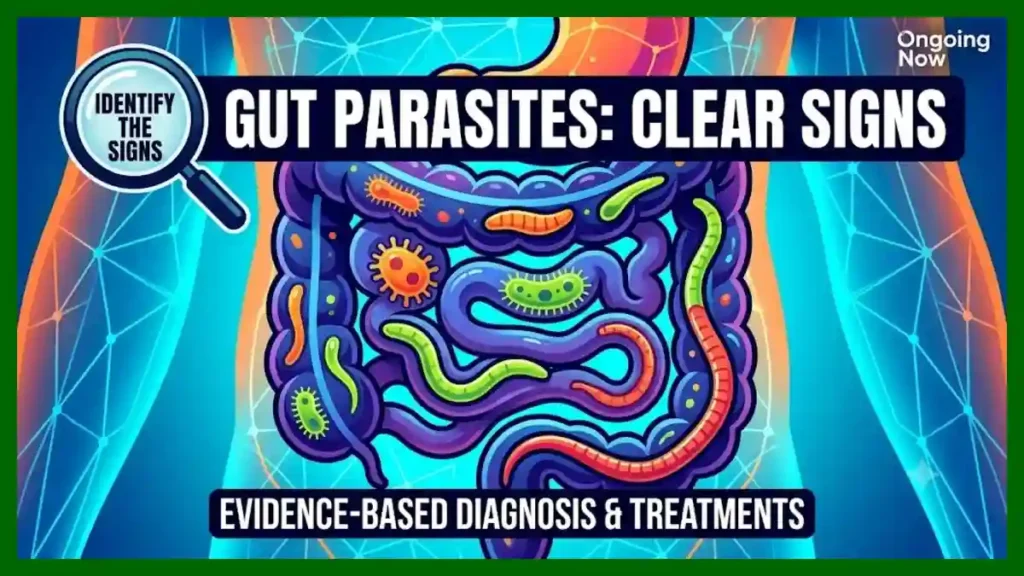
The initial gastrointestinal response to Salmonella enterica colonization involves acute inflammation of the intestinal mucosa. Patients typically present with a sudden onset of watery diarrhea, abdominal cramping, and moderate-to-high fever. Nausea and vomiting frequently accompany these symptoms, driven by the immune system’s localized inflammatory cascade.
These primary signs of salmonella from contaminated food generally manifest within a specific clinical window following exposure. The severity of the initial presentation depends heavily on the volume of bacteria ingested, known as the infectious dose, and the specific strain of the pathogen. While mild cases may resolve spontaneously without clinical intervention, the presentation can vary dramatically across different demographics.
Medical professionals classify these initial disruptions as acute gastroenteritis, which requires careful monitoring to prevent fluid depletion. Electrolyte imbalances can occur rapidly as the intestinal lining loses its ability to absorb water and essential mineral salts properly.
Mapping the Salmonella Food Poisoning Incubation Period
The salmonella food poisoning incubation period refers to the elapsed time between consuming a contaminated item and the onset of the first clinical symptom. Epidemiological data compiled by the National Institutes of Health (NIH) indicates that this window typically spans from 6 hours to 6 days. However, the vast majority of documented cases show symptoms appearing between 12 and 72 hours after ingestion.
During this silent phase, the bacteria pass through the stomach acid barriers and colonize the small and large intestines. They attach to the epithelial cells lining the intestinal walls using specialized structures called pili, subsequently invading the tissue. This cellular invasion triggers the body’s acute inflammatory response, which ultimately causes the classic symptoms of food poisoning.
Understanding this specific timeline is critical for public health investigators performing traceback studies during active outbreaks. If a patient recalls eating an item hours before getting sick, the true source may actually lie in a meal consumed several days prior.
High Risk Populations for Salmonella and Severe Outcomes
While healthy adults frequently recover from salmonellosis within four to seven days without antibiotic therapy, specific groups face heightened vulnerabilities. The biological factors that place certain demographics into high risk populations for salmonella include age, immune status, and underlying medical conditions. Infants, adults over the age of 65, and individuals with compromised immune systems represent the highest-risk categories.
According to data published in the Journal of the American Medical Association (JAMA), infants under five years old have the highest rate of reported Salmonella infections. Their developing immune systems and lower stomach acidity make them highly susceptible to smaller bacterial doses. Conversely, older adults face a significantly higher risk of severe systemic complications, hospitalization, and mortality.
+----------------------------+----------------------------------+----------------------------------+
| Risk Group                 | Primary Physiological Vulnerability| Common Clinical Complications    |
+----------------------------+----------------------------------+----------------------------------+
| Infants (< 5 years)        | Developing immune response       | Severe dehydration, bacteremia   |
| Older Adults (>= 65 years) | Immunosenescence, low stomach acid| Sepsis, endocarditis, death      |
| Immunocompromised          | Impaired T-cell and macrophage function| Chronic systemic infection       |
+----------------------------+----------------------------------+----------------------------------+
Individuals taking stomach acid-reducing medications, such as proton pump inhibitors, also experience an elevated risk of infection. Lower stomach acidity allows a larger percentage of ingested bacteria to survive the initial gastric passage intact. Dr. Christopher Braden, a leading epidemiologist, emphasizes, “Protecting vulnerable populations requires a multi-layered approach combining rigorous food safety inspections with targeted public health education.”
From Laboratory Analysis to Salmonellosis Diagnosis and Medical Tests
Confirming a case of salmonellosis requires precise laboratory protocols rather than relying solely on clinical presentation. Clinical symptoms of other common foodborne pathogens, such as Campylobacter or Escherichia coli, frequently mimic those of Salmonella. Therefore, formal salmonellosis diagnosis and medical tests are necessary to guide appropriate clinical decisions.
The gold standard for diagnosing a Salmonella infection remains a diagnostic stool culture, where laboratory technicians isolate the bacteria from a patient sample. Once isolated, the bacteria undergo serotyping to identify the specific strain, such as Salmonella Typhimurium or Salmonella Enteritidis. Over the past decade, public health laboratories have increasingly adopted Whole Genome Sequencing (WGS) to map the DNA profile of the bacteria.
+----------------------------+----------------------------------+----------------------------------+
| Test Type                  | Typical Turnaround Time          | Primary Clinical Utility         |
+----------------------------+----------------------------------+----------------------------------+
| Stool Culture              | 2 to 3 Days                      | Confirms bacterial presence      |
| PCR Assay                  | Hours                            | Rapid detection of pathogen DNA  |
| Whole Genome Sequencing    | 5 to 7 Days                      | Outbreak tracking and serotyping|
+----------------------------+----------------------------------+----------------------------------+
In severe cases where the bacteria have breached the intestinal barrier and entered the circulatory system, blood cultures are requested immediately. This condition, known as bacteremia, represents a medical emergency that requires prompt intravenous antibiotic therapy. Identifying the exact bacterial strain helps clinicians choose the most effective antimicrobial agent, minimizing the risk of antibiotic resistance.
Modern Vector Vulnerabilities: From Potato Chips to Dairy Powder
While public health campaigns historically focused on raw poultry and unpasteurized eggs, modern food processing has introduced new risks. Industrial food manufacturing involves complex ingredient supplies where low-moisture foods can become unexpected vectors for bacterial survival. Recent epidemiological history highlights significant outbreaks involving unexpected products, such as processed snacks and infant formulas.
For instance, treating bacterial infections from potato chips presents unique challenges because low-moisture foods protect bacteria from environmental degradation. Salmonella can remain dormant in dry matrices for months, resisting standard desiccation methods that typically kill other pathogens. When an individual consumes these items, the oils and fats can protect the bacteria from stomach acid, allowing them to colonize the gut.
Similarly, experiencing gastroenteritis from contaminated dairy powder highlights the vulnerability of large-scale spray-drying facilities. If a processing plant harbors Salmonella within its structural infrastructure, dry powders can become cross-contaminated during packaging. Because these powders are often reconstituted into liquids for infants or elderly individuals, they directly impact high-risk demographics.
Addressing Food Contamination Health Consequences and Long Term Effects
The immediate food contamination health consequences of a Salmonella outbreak extend far beyond temporary gastrointestinal discomfort. For a subset of patients, the resolution of acute symptoms does not signal the end of the medical journey. Chronic complications can emerge weeks or even months after the initial infection has cleared.
Among the documented long term effects of salmonella poisoning is reactive arthritis, an autoimmune condition triggered by the gut infection. Patients experience painful joint inflammation, particularly in the knees, ankles, and feet, which can persist for months or become chronic. Research indicates that individuals carrying the HLA-B27 genetic marker face a substantially higher probability of developing this post-infectious complication.
“A significant percentage of patients surviving severe foodborne infections report persistent irritable bowel syndrome (IBS) lasting years after the pathogen is cleared,” states Dr. Sandra Hoffmann, a senior researcher specializing in food safety economics.
The financial toll on public health systems includes ongoing outpatient care, diagnostic monitoring, and lost workplace productivity. Ensuring proper sanitation, rapid outbreak response, and robust monitoring of processing facilities remains the most effective framework for reducing these long-term societal burdens.
Stay sharp with Ongoing Now!
Source and Data Limitations: This analysis relies on epidemiologic data, foodborne outbreak surveillance reports, and clinical guidelines published by the Centers for Disease Control and Prevention (CDC), the World Health Organization (WHO), and peer-reviewed studies from the Journal of the American Medical Association (JAMA). Incubation periods and clinical symptom frequencies are based on aggregate public health data collected from historical outbreaks up to 2026. Data limitations include the historical underreporting of mild cases of salmonellosis, as many individuals recover without seeking medical evaluation or undergoing laboratory confirmation. Direct quotes are sourced from official public statements, peer-reviewed articles, and institutional academic presentations regarding food safety infrastructure.