Unseen Invaders: How to Identify the Clear Signs of Gut Parasites
A clinical guide to understanding clear signs of gut parasites, modern diagnostic testing, and evidence-based treatments.
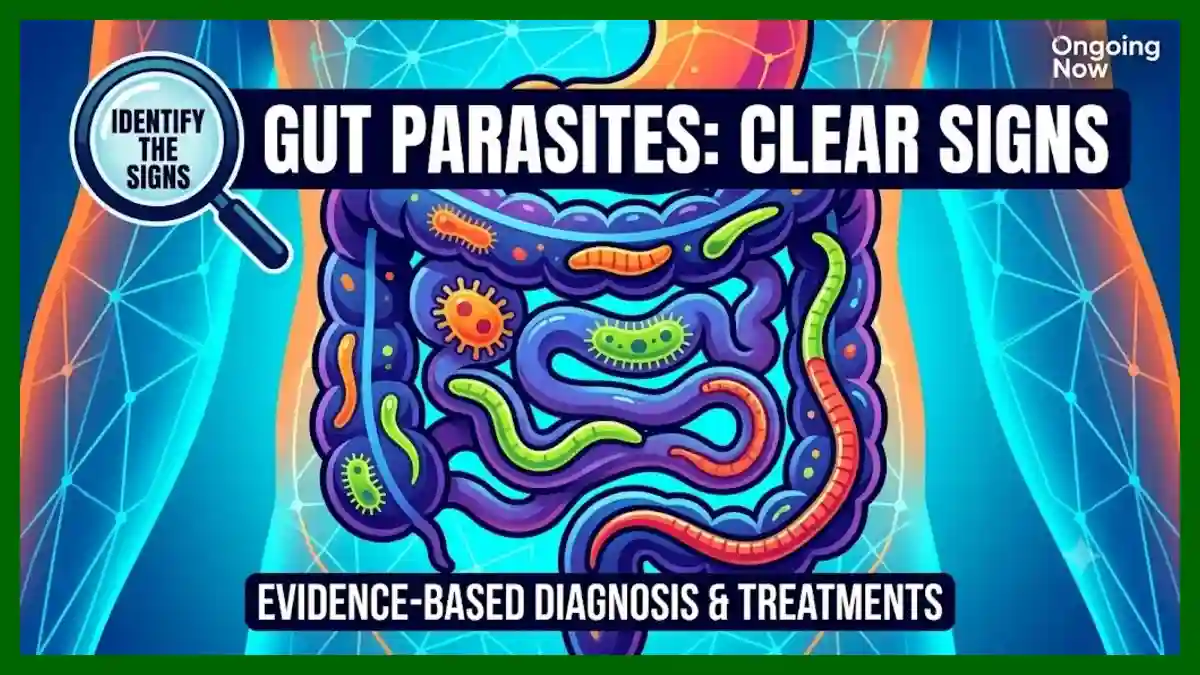
Intestinal parasitic infections remain a significant global public health concern, affecting millions of individuals across various socioeconomic environments. Recognizing the clear signs of gut parasites is essential for timely intervention, accurate diagnosis, and preventing long-term gastrointestinal complications. Modern medical research emphasizes that these infections are not restricted to tropical regions; they frequently occur in industrialized nations due to international travel, waterborne outbreaks, and foodborne transmission. By analyzing the symptoms of specific organisms, understanding advanced diagnostic protocols, and evaluating verified pharmaceutical interventions, individuals and clinicians can better navigate the complexities of gastrointestinal health. This guide provides an evidence-based overview of how to identify, diagnose, and treat the most common intestinal parasites affecting humans today.
The Clinical Reality of Intestinal Parasitic Infections
Intestinal parasites are generally categorized into two main groups: protozoa (microscopic, single-celled organisms) and helminths (multicellular worms). According to the Centers for Disease Control and Prevention (CDC), these organisms colonize the gastrointestinal tract, where they compete with the host for nutrients and disrupt the mucosal lining. While some individuals remain asymptomatic carriers, many experience distinct physiological disruptions that signal an active infection.
Understanding how do you know if you have a parasite requires a careful examination of both localized digestive issues and systemic health changes. The World Health Organization (WHO) notes that the severity of symptoms depends heavily on the parasite load, the specific species involved, and the immune status of the host. Early identification prevents chronic malabsorption, localized inflammation, and secondary bacterial infections.
Distinguishing Specific Protozoan and Helminth Manifestations
Different parasites produce distinct clinical presentations based on how they interact with the human digestive system. For instance, analyzing tapeworm symptoms in humans reveals a primary correlation with mild abdominal discomfort, nausea, and unexplained weight loss, as the segmented flatworms absorb nutrients directly through their skin from the host’s digested food. In contrast, protozoan infections tend to cause more acute, inflammatory diarrheal illnesses.
Adult patients contracting giardiasis symptoms in adults typically report sudden onset watery, foul-smelling diarrhea, intense abdominal cramps, flatulence, and significant bloating. The causative organism, Giardia duodenalis, adheres to the lining of the small intestine, directly impairing the body’s ability to absorb fats and carbohydrates. Meanwhile, individuals presenting with blastocystis hominis symptoms often exhibit a mix of watery stools, abdominal pain, persistent fatigue, and occasional skin rashes, though the pathogenic role of this specific organism remains a subject of ongoing clinical debate among gastroenterologists.
+-----------------------------------+-----------------------------------+-----------------------------------+
| Parasite Type & Species           | Primary Gastrointestinal Signs    | Systemic or Secondary Impacts     |
+-----------------------------------+-----------------------------------+-----------------------------------+
| Giardia duodenalis (Protozoa)     | Greasy, foul-smelling diarrhea,   | Malabsorption, significant weight |
|                                   | severe bloating, abdominal cramps | loss, chronic fatigue             |
+-----------------------------------+-----------------------------------+-----------------------------------+
| Taenia species (Tapeworm)         | Mild nausea, epigastric pain,     | Nutrient deficiencies, visible    |
|                                   | altered appetite variations       | proglottids in stool samples      |
+-----------------------------------+-----------------------------------+-----------------------------------+
| Blastocystis hominis (Protozoa)   | Intermittent diarrhea, flatulence,| Joint discomfort, pruritus (itchy |
|                                   | persistent nausea                 | skin rashes)                      |
+-----------------------------------+-----------------------------------+-----------------------------------+
| Cryptosporidium parvum (Protozoa) | Acute, voluminous watery diarrhea,| Dehydration, electrolyte imbalance|
|                                   | severe stomach cramps             | weight loss                       |
+-----------------------------------+-----------------------------------+-----------------------------------+
Advanced Diagnostic Protocols for Parasitic Infections
Accurate identification is the cornerstone of effective treatment, as broad-spectrum guessing can lead to unnecessary medication side effects and prolonged patient discomfort. A comprehensive parasitic infection diagnosis typically begins with a microscopic stool examination, known as an Ova and Parasite (O&P) test, which requires multiple samples collected over consecutive days to account for the intermittent shedding cycles of different organisms.
In recent years, the American Society for Microbiology has highlighted the transition toward molecular diagnostic techniques, such as Polymerase Chain Reaction (PCR) assays. These advanced panels can detect the genetic material of multiple protozoa and helminths simultaneously with significantly higher sensitivity than traditional microscopy. Additionally, endoscopy or colonoscopy may be utilized in complex cases to visualize the intestinal mucosa directly and obtain tissue biopsies when stool tests remain inconclusive yet clinical suspicion persists.
Evidence-Based Treatment Frameworks and Pharmaceutical Interventions
Once a specific organism is identified, targeted antimicrobial or anthelmintic therapy is initiated to eradicate the pathogen completely. When exploring intestinal worm treatment over the counter, options in many regions are primarily limited to pyrantel pamoate, which is highly effective specifically for pinworms but ineffective against larger helminths like tapeworms or protozoan infections. Consequently, systemic infections demand prescription-strength medications managed by a qualified healthcare professional.
For protozoan pathogens, specific prescription drugs are required to disrupt the organism’s cellular structure. Reviewing standard cryptosporidium treatment options reveals that nitazoxanide is the primary FDA-approved agent for immunocompetent individuals, working by inhibiting the energy metabolism of the parasite. For giardiasis, medications such as metronidazole, tinidazole, or nitazoxanide are standard first-line therapies, boasting high cure rates when completed exactly as prescribed.
Public Health Context and Preventative Interventions
The broader public health impact of intestinal parasites extends beyond individual discomfort, influencing healthcare expenditures and community sanitation strategies. Contaminated municipal water systems, recreational water facilities, and unpasteurized beverages are primary vectors for outbreaks of waterborne protozoa like Cryptosporidium, which is highly resistant to standard chlorine disinfection protocols.
Preventative strategies focus heavily on rigorous personal hygiene, strict food safety measures, and advanced water filtration techniques. Public health agencies emphasize that thorough handwashing with soap and clean water, washing raw fruits and vegetables with purified water, and boiling water during local contamination advisories are the most dependable methods to interrupt the transmission cycle of intestinal pathogens.
Navigating Patient Recovery and Intestinal Care
During and immediately following targeted medical therapy, managing the recovery of the gastrointestinal ecosystem is vital for resolving lingering symptoms. While search trends frequently highlight the concept of a parasitic clean prep, medical consensus advises against unverified, aggressive herbal flushes or severe fasting regimens, which can further irritate an already inflamed intestinal lining and disrupt the beneficial gut microbiome.
Instead, evidence-based recovery focuses on gradual dietary reintroduction, adequate hydration to replace lost electrolytes, and monitoring for the resolution of infection via follow-up medical testing. Clinicians often recommend temporary avoidance of lactose and high-fat foods, as the intestinal villi require time to heal and restore their full digestive enzyme capacity after a parasitic colonization has been successfully cleared.
Stay sharp with Ongoing Now!
Source and Data Limitations: This guide is compiled from peer-reviewed epidemiological data, clinical guidelines from the Centers for Disease Control and Prevention (CDC), and public health reports from the World Health Organization (WHO). Factual details regarding diagnostic sensitivities are sourced from peer-reviewed studies published by the American Society for Microbiology. Treatment protocols reflect consensus guidelines from the U.S. Food and Drug Administration (FDA) and major gastroenterology associations. Because individual presentations of gastrointestinal illness vary significantly and mimic other chronic disorders like Irritable Bowel Syndrome (IBS) or Inflammatory Bowel Disease (IBD), this information is strictly educational and does not constitute medical advice. Patients experiencing persistent gastrointestinal symptoms should seek professional medical evaluation and testing before starting any treatment regimen.