Warm Water Risks Surge as flesh eating bacteria Gulf Coast Cases Rise
Louisiana health officials report a spike in Vibrio vulnificus infections, urging safety steps for raw seafood and coastal waters.
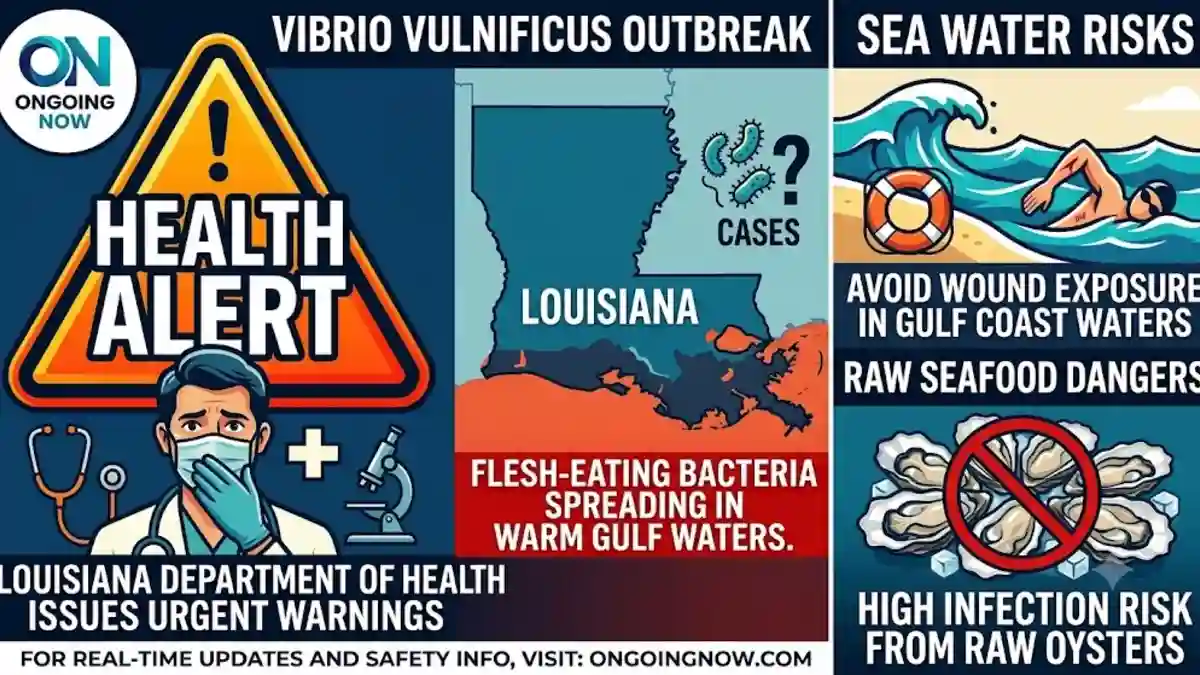
Public health authorities are tracking a localized surge in severe waterborne illness across southern coastal regions, bringing renewed attention to the underlying biological factors driving Vibrio vulnificus transmissions. To understand the clinical realities of flesh eating bacteria Gulf Coast environments, epidemiologists emphasize monitoring:
Recognizing early Louisiana Vibrio vulnificus symptoms such as sudden localized erythema, rapid swelling, and fever.
Assessing the elevated raw oyster bacteria infection risk for vulnerable populations with pre-existing conditions.
Reviewing early clinical Vibrio vulnificus treatment options to mitigate severe tissue damage.
Following updated Gulf Coast water safety warnings regarding open wound protection.
Tracking the brief flesh eating bacteria incubation period, which often ranges from 12 to 72 hours.
Evaluating the historical Vibrio vulnificus mortality rate in confirmed severe sepsis cases.
Identifying factors in a recent Louisiana warm water bacterial infection cluster linked to brackish coastal exposure.
The Louisiana Department of Health (LDH), Centers for Disease Control and Prevention (CDC), National Oceanic and Atmospheric Administration (NOAA), Food and Drug Administration (FDA), and Mayo Clinic track these marine pathogens through integrated public health surveillance networks. State epidemiologists confirm that while Vibrio vulnificus is naturally occurring in warm marine environments, its clinical severity requires rapid diagnostic intervention.
┌───────────────────────────────────────────────────────────────────────────┐
│              EPIDEMIOLOGICAL SUMMARY: VIBRIO VULNIFICUS                   │
├──────────────────────────┬────────────────────────────────────────────────┤
│ Primary Reservoir        │ Warm coastal, estuarine, and brackish waters    │
├──────────────────────────┼────────────────────────────────────────────────┤
│ Transmission Pathways    │ Direct open wound contact; raw shellfish ingestion│
├──────────────────────────┼────────────────────────────────────────────────┤
│ Incubation Period        │ 12 to 72 hours (average 24 hours post-exposure) │
├──────────────────────────┼────────────────────────────────────────────────┤
│ High-Risk Conditions     │ Chronic liver disease, diabetes, immunocompromise│
└──────────────────────────┴────────────────────────────────────────────────┘
Regional Tracking of flesh eating bacteria Gulf Coast Cases
The Louisiana Department of Health released updated surveillance data confirming 9 cases of severe Vibrio vulnificus infection and 5 associated fatalities. All reported cases involved individuals who entered coastal seawater with pre-existing open skin wounds. Furthermore, state public health records indicate that every infected individual presented underlying medical vulnerabilities prior to exposure.
This baseline represents a significant increase compared to multi-year historical averages, where the state typically records approximately seven cases and one fatality annually. “Vibrio are bacteria that naturally live in coastal waters and are found in higher numbers from May to October, when water temperatures are warmer,” stated the Louisiana Department of Health in its public health guidance. The agency warned that exposure to warm, brackish water poses unique hazards for individuals with compromised immune systems or liver conditions.
The geographic distribution of cases concentrates primarily around shallow bays, estuaries, and coastal recreational zones. Water temperatures exceeding 20°C (68°F) paired with moderate salinity levels create optimal environmental conditions for bacterial proliferation. Public health teams continue active environmental sampling across coastal basins to monitor bacterial density shifts throughout the peak summer months.
Clinical Progression and Louisiana Vibrio vulnificus symptoms
Recognizing initial symptoms is critical because Vibrio vulnificus wound infections can progress rapidly into necrotizing soft-tissue destruction. When skin breaches are exposed to contaminated water or raw seafood drippings, localized inflammation manifests within hours. Patients frequently report intense pain that appears disproportionate to the visible size of the initial wound.
Primary localized symptoms include rapid-onset fever, skin redness (erythema), progressive swelling, marked warmth, and severe tenderness around the wound site. As the infection penetrates deeper dermal layers, bullous skin lesions—fluid-filled blisters—often form over the affected tissue. If untreated, the localized infection can trigger necrotizing fasciitis, a condition where surrounding fascia and muscular tissue rapidly undergo necrosis.
When the organism enters the bloodstream, either via cutaneous lesions or gastrointestinal absorption, primary septicemia develops. Bloodstream infections present with systemic chills, dangerously low blood pressure (septic shock), and widespread hemorrhagic bullae. Medical providers emphasize that any individual developing fever or rapid skin discoloration following coastal exposure must seek emergency evaluation immediately.
┌───────────────────────────────────────────────────────────────────────────┐
│                 CLINICAL STAGING OF VIBRIO VULNIFICUS                     │
├─────────────────┬───────────────────────────────┬─────────────────────────┤
│ Stage           │ Primary Manifestations        │ Clinical Urgency        │
├─────────────────┼───────────────────────────────┼─────────────────────────┤
│ Early Localized │ Redness, warmth, severe pain  │ Urgent medical visit    │
├─────────────────┼───────────────────────────────┼─────────────────────────┤
│ Advanced Tissue │ Fluid bullae, tissue necrosis │ Immediate hospitalization│
├─────────────────┼───────────────────────────────┼─────────────────────────┤
│ Systemic Sepsis │ High fever, hypotension, shock│ Intensive care unit (ICU)│
└─────────────────┴───────────────────────────────┴─────────────────────────┘
Microbiology and flesh eating bacteria incubation period Factors
Vibrio vulnificus is a Gram-negative, halophilic (salt-requiring), motile bacterium shaped as a curved rod. Unlike pathogenic strains causing cholera, V. vulnificus thrives in coastal estuarine environments independent of human sewage contamination. The organism utilizes surface capsular polysaccharides, hemolysins, and metalloproteases to evade host immune defenses and destroy tissue matrices.
The standard incubation period following exposure typically ranges between 12 and 72 hours, with a median onset around 24 hours. In cases of wound inoculation during active water exposure, localized symptoms can surface in as little as 4 to 12 hours. Gastrointestinal ingestion via raw shellfish generally manifests within 1 to 3 days, presenting as watery diarrhea, abdominal cramping, nausea, and vomiting before potential systemic dissemination.
Public health guidance from the Centers for Disease Control and Prevention notes the importance of rapid onset awareness. “About 150 to 200 V. vulnificus infections are reported to CDC each year, and about one in five people with this infection die—sometimes within one to two days of becoming ill,” according to CDC clinical documentation. This condensed timeline necessitates immediate diagnostic culturing of blood, wound exudate, or stool samples alongside empirical antibiotic therapy.
Assessing raw oyster bacteria infection risk and Dietary Precautions
Ingestion of raw or undercooked shellfish, particularly raw oysters harvested from warm marine waters, represents a well-documented transmission vector for Vibrio species. Oysters filter large volumes of coastal water during daily feeding cycles, concentrating ambient marine bacteria within their tissues. While healthy individuals may experience self-limiting gastroenteritis upon consuming contaminated oysters, high-risk individuals face severe systemic illness.
| Risk Category | Underlying Health Profile | Relative Severity Potential | Primary Mechanism |
| High Risk | Chronic liver disease (Cirrhosis, Hepatitis) | Extreme (High mortality hazard) | Impaired iron metabolism & immune clearance |
| High Risk | Diabetes mellitus, HIV, Cancer | Severe (Sepsis & necrotic lesions) | Depressed neutrophil function |
| High Risk | Immunosuppressive therapy, Acid suppressants | High (Gastrointestinal systemic entry) | Lowered stomach acid barrier |
| General Risk | Healthy adult population | Mild to Moderate (Gastroenteritis) | Local mucosal immune response |
Epidemiologists highlight that elevated serum iron levels, common in patients with chronic liver disease or hemochromatosis, significantly accelerate bacterial replication. Vibrio vulnificus utilizes host iron stores to multiply rapidly within the intravascular space. Consequently, individuals with underlying liver conditions face a risk of fatal septicemia from raw oyster ingestion that is dramatically higher than that of the general population.
The Food and Drug Administration and state agriculture departments enforce stringent temperature control requirements for harvested oysters. Rapid refrigeration post-harvest stops bacterial multiplication, but thorough thermal cooking remains the only guaranteed method to eliminate live bacteria prior to consumption.
Clinical Protocol and Vibrio vulnificus treatment options
Management of suspected or confirmed V. vulnificus infections requires immediate, aggressive medical intervention. Treatment protocols center on prompt administration of systemic intravenous antibiotics paired with aggressive surgical evaluation when soft tissue involvement is present.
Empirical Antimicrobial Therapy: Clinical guidelines recommend combination antibiotic regimens, typically combining a third-generation cephalosporin (such as ceftriaxone) with a tetracycline (such as doxycycline).
Surgical Debridement: Rapid surgical consultation is essential for wound infections. Extensive debridement of necrotic fascia and muscle tissue is frequently necessary to stop bacterial propagation.
Hemodynamic Stabilization: Intensive care support, including aggressive intravenous fluid resuscitation and vasopressor administration, is required to manage septic shock and organ dysfunction.
Wound Management: Continuous monitoring of compartment pressures and serial surgical evaluations are conducted to determine if limb amputation is required to preserve patient life.
┌───────────────────────────────────────────────────────────────────────────┐
│               CLINICAL INTERVENTION TIMELINE FOR WOUNDS                   │
├─────────────────┬─────────────────────────────────────────────────────────┤
│ Hour 0 - 4      │ Immediate wound cleansing; clinical risk evaluation      │
├─────────────────┼─────────────────────────────────────────────────────────┤
│ Hour 4 - 12     │ Blood/wound cultures; intravenous combination antibiotics│
├─────────────────┼─────────────────────────────────────────────────────────┤
│ Hour 12 - 24    │ Surgical evaluation; debridement of compromised tissue   │
├─────────────────┼─────────────────────────────────────────────────────────┤
│ Hour 24+        │ ICU monitoring for septic shock; secondary debridement  │
└─────────────────┴─────────────────────────────────────────────────────────┘
In mild cases restricted to simple gastrointestinal symptoms in otherwise healthy patients, supportive oral rehydration is typically sufficient. However, clinicians caution against assuming mild early symptoms in high-risk patients, as systemic deterioration can occur within hours.
Analysis: Environmental Trends Impacting Vibrio vulnificus mortality rate
A multi-factor analysis of marine surveillance and epidemiological tracking reveals clear structural drivers behind shifting bacterial distribution patterns. Rising sea surface temperatures across the Gulf of Mexico, paired with altered coastal salinity levels due to seasonal weather patterns, expand the geographical and temporal windows for bacterial growth.
┌───────────────────────────────────────────────────────────────────────────┐
│              KEY ENVIRONMENTAL & CLINICAL RISK METRICS                    │
├──────────────────────────┬────────────────────────────────────────────────┤
│ Target Metric            │ Observed Value / Range                         │
├──────────────────────────┼────────────────────────────────────────────────┤
│ Optimal Water Temp Range │ 20°C to 35°C (68°F to 95°F)                    │
├──────────────────────────┼────────────────────────────────────────────────┤
│ Overall Mortality Rate   │ Approx. 20% in confirmed cases                 │
├──────────────────────────┼────────────────────────────────────────────────┤
│ Sepsis Mortality Rate    │ Up to 50% in primary septic shock patients     │
├──────────────────────────┼────────────────────────────────────────────────┤
│ Historical LA Baseline   │ 7 cases / 1 death per year (average)           │
└──────────────────────────┴────────────────────────────────────────────────┘
Epidemiological records show that the baseline Vibrio vulnificus mortality rate hovers near 20% for overall confirmed infections. However, when infections progress to severe primary septicemia, mortality rates approach 50%, even with advanced intensive care support.
The elevated mortality rate in recent regional clusters underlines the vulnerability of populations with chronic health conditions. Public health analysts emphasize that environmental shifts do not change the intrinsic virulence of the bacterium itself, but rather increase human exposure opportunities in coastal zones.
What the Evidence Shows: Public Health Precautions and Safety Guidelines
Evidence-based prevention strategies remain the most effective tool to reduce severe outcomes. Health departments across coastal states publish updated behavioral guidelines targeting both marine recreational activities and dietary choices.
Direct Coastal Exposure Precautions
Public health agencies recommend that anyone with an open skin lesion—including cuts, scrapes, recent surgical incisions, tattoos, or piercings—avoid entering salt or brackish water. If contact is unavoidable, wounds must be covered completely with a waterproof bandage. Wounds exposed to coastal water or raw seafood juices should immediately be washed thoroughly with clean water and soap.
Occupational and Recreation Protection
Individuals handling raw shellfish, cleaning marine equipment, or wading in coastal environments should wear heavy-duty protective footwear and gloves to prevent puncture wounds from sharp shells or rocks. If a puncture wound occurs while handling marine life, immediate antimicrobial cleansing and careful observation are necessary.
Safe Consumption Practices
High-risk individuals should refrain entirely from consuming raw or undercooked oysters, clams, and mussels. Thorough cooking—heating shellfish until shells open or internal temperature reaches safe levels—completely inactivates Vibrio bacteria. Additionally, cross-contamination between raw seafood juices and prepared foods must be strictly avoided during food preparation.
┌───────────────────────────────────────────────────────────────────────────┐
│              EVIDENCE-BASED PREVENTIVE CHECKLIST                          │
├──────────────────────────┬────────────────────────────────────────────────┤
│ Preventive Action        │ Clinical Rationale                             │
├──────────────────────────┼────────────────────────────────────────────────┤
│ Waterproof Bandaging     │ Blocks bacterial entry into open skin lesions  │
├──────────────────────────┼────────────────────────────────────────────────┤
│ Thorough Soap Washing    │ Reduces bacterial load immediately post-exposure│
├──────────────────────────┼────────────────────────────────────────────────┤
│ Thermal Cooking (>145°F) │ Inactivates heat-sensitive Vibrio organisms    │
├──────────────────────────┼────────────────────────────────────────────────┤
│ Protective Footwear      │ Prevents mechanical skin punctures in water    │
└──────────────────────────┴────────────────────────────────────────────────┘
Societal and Healthcare Impact across Coastal Communities
Beyond direct medical care, waterborne bacterial surges exert broader economic and public health operational impacts across coastal regions. Commercial fishing industries, oyster aquaculturists, and coastal tourism sectors face heightened scrutiny during summer health advisories.
Regional healthcare systems must maintain clinical vigilance during warm weather seasons. Emergency departments along the Gulf Coast routinely incorporate exposure screening protocols for patients presenting with soft tissue inflammation or unexplained fever. Early administration of effective antibiotics hinges on triage teams asking targeted questions regarding recent marine exposure or raw seafood consumption.
Public health communication strategies focus on balancing necessary safety warnings with accurate risk contextualization. Media references to “flesh-eating bacteria” can induce broad public alarm; however, health agencies clarify that Vibrio vulnificus is a specific marine bacterium distinct from other necrotizing agents, and severe illness remains concentrated among vulnerable demographic groups. Informed public awareness ensures that at-risk individuals take appropriate precautions while maintaining safe access to coastal resources.
Stay sharp with Ongoing Now!
—
Source and Data Limitations: This analysis synthesizes verified public health data, medical guidance, and epidemiological updates released by the Louisiana Department of Health (LDH), Centers for Disease Control and Prevention (CDC), Food and Drug Administration (FDA), National Institutes of Health (NIH), and Mayo Clinic. Case counts (9 cases, 5 fatalities) reflect official state health reporting through August 2026. Clinical guidelines for antibiotic treatment and surgical management reflect established consensus from peer-reviewed medical publications and public health agencies. Excluded from this report are unverified anecdotal reports, sensationalized social media claims, and unsourced speculation regarding bacterial mutation rates. Data on long-term environmental projections represents ongoing observational research and subject to environmental variability.