Beyond the ovaries: Why the new PMOS medical definition is a metabolic triumph.
Global health experts adopt Polyendocrine Metabolic Ovarian Syndrome (PMOS) to improve metabolic health and diagnostic accuracy.
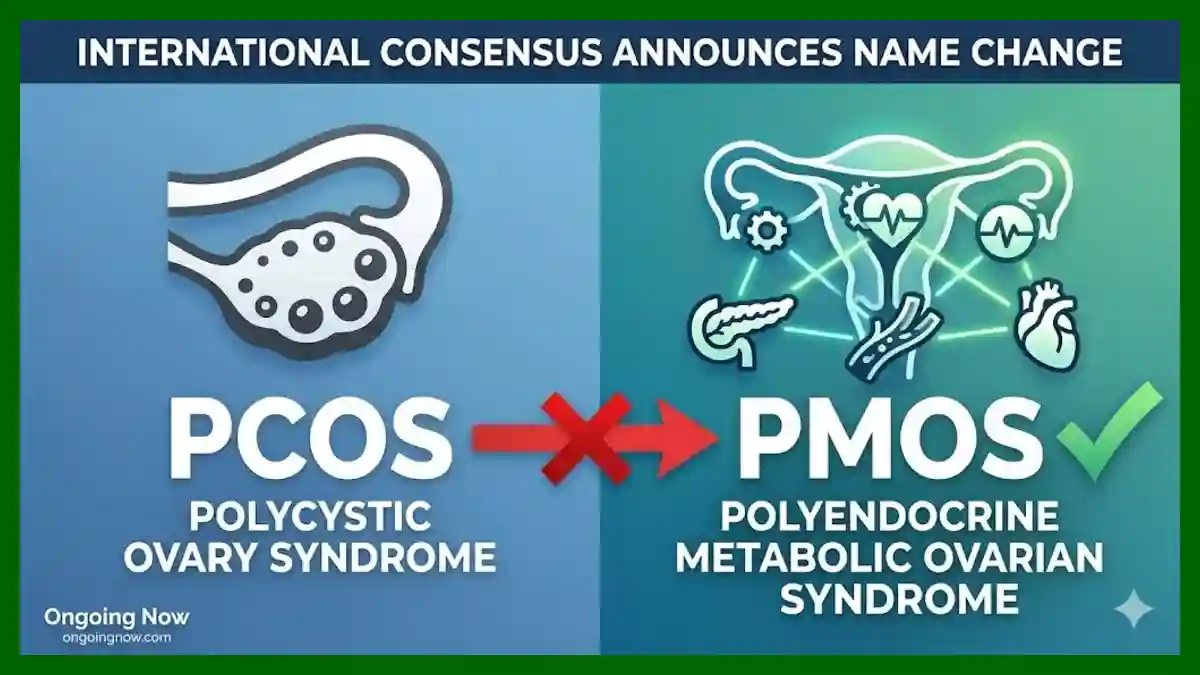
A landmark international consensus has officially renamed Polycystic Ovary Syndrome (PCOS) to Polyendocrine Metabolic Ovarian Syndrome (PMOS) to better reflect the condition’s systemic nature. This shift, announced in May 2026, aims to correct decades of diagnostic confusion by moving away from the “polycystic” misnomer toward a name that highlights hormonal and metabolic dysfunction. Research led by Professor Helena Teede and published in The Lancet underscores that the condition is not primarily a gynecological disorder but a multi-system endocrine system disorder affecting approximately 170 million women globally. The transition to PMOS emphasizes that many patients do not have ovarian cysts and instead face lifelong risks related to insulin resistance, cardiovascular health, and mental well-being.
The Scientific Shift From PCOS to PMOS
The transition to Polyendocrine Metabolic Ovarian Syndrome marks the culmination of a decade-long effort to align medical terminology with modern clinical evidence. For over 90 years, the “polycystic” label led both patients and clinicians to focus on the ovaries as the primary site of disease. However, evidence confirmed by the Androgen Excess and PCOS Society shows that the “cysts” described in original 1935 findings are actually immature follicles whose development has been arrested by hormonal imbalances.
Under the new PMOS framework, the condition is categorized as a broad metabolic and endocrine disorder. The term “polyendocrine” reflects the involvement of multiple hormone systems, including insulin and androgens, while “metabolic” acknowledges the significant risks of type 2 diabetes and heart disease. This reclassification is expected to reduce the current diagnostic delay, which averages between two and 12 years for many women.
Understanding Polyendocrine Metabolic Ovarian Syndrome Symptoms
While the name has changed, the underlying Polyendocrine Metabolic Ovarian Syndrome symptoms remain diverse and systemic. Clinicians are moving toward a “whole-person” diagnostic approach that prioritizes hormonal and metabolic markers over ultrasound imaging of the ovaries.
Key clinical features now recognized under the PMOS nomenclature include:
Hormonal Fluctuations: Elevated androgens leading to hirsutism (excess hair growth), persistent acne, and androgenic alopecia.
Metabolic Indicators: Insulin resistance, difficulty with weight management, and increased risk of gestational diabetes.
Reproductive Health: Irregular or absent menstrual cycles and challenges with fertility due to infrequent ovulation.
Psychological Impact: A significantly higher prevalence of anxiety, depression, and disordered eating compared to the general population.
Key Evidence: Comparing Clinical Perspectives
The following table outlines the fundamental PCOS vs PMOS differences in medical understanding and the shift in clinical priorities.
| Feature | Polycystic Ovary Syndrome (PCOS) | Polyendocrine Metabolic Ovarian Syndrome (PMOS) |
| Primary Focus | Ovarian morphology (cysts) | Multisystem endocrine and metabolic health |
| Diagnostic Key | Ultrasound detection of follicles | Hormonal imbalance and metabolic markers |
| Perceived Scope | Reproductive and fertility issue | Life-long metabolic and cardiovascular risk |
| Clinical Bias | Gynecological | Endocrine and General Practice |
| Patient Impact | Focused on “cysts” and fertility | Holistic management of long-term health |
“This change was driven with and for those affected by the condition, and we are proud to have arrived at a new name that finally accurately reflects the complexity of the condition,” states Professor Helena Teede, Director of the Monash Centre for Health Research and Implementation.
Clinical Guidelines and Metabolic Health
The new androgen excess society guidelines emphasize that metabolic health women receive must extend beyond reproductive years. PMOS is now formally recognized as a precursor to several chronic conditions. Research indicates that women with PMOS are four times more likely to develop type 2 diabetes and have a significantly higher risk of hypertension and non-alcoholic fatty liver disease.
Medical education is currently being updated to reflect these risks. The 2026 guidelines recommend that metabolic screening—including glucose tolerance tests and lipid profiles—become a standard part of care immediately upon a PMOS diagnosis, regardless of whether a patient is seeking to conceive. This proactive screening is vital for the early prevention of cardiovascular events.
Advances in Hormonal Imbalance Treatment
While there is no singular cure for PMOS, hormonal imbalance treatment has evolved to become more personalized. The shift to the PMOS name encourages a “lifestyle-first” intervention strategy combined with targeted pharmacotherapy.
Lifestyle Modification: Evidence-based nutrition and structured physical activity remain the first line of defense for managing insulin sensitivity and androgen levels.
Insulin Sensitizers: Medications like metformin are increasingly used to address the underlying metabolic drivers of the syndrome.
Androgen Blockers: Specific treatments for dermatological symptoms (acne and hair growth) focus on regulating testosterone-related pathways.
Mental Health Support: Integration of psychological care is now considered a mandatory component of comprehensive PMOS management.
Women’s Health Advocacy 2026: A Global Impact
The women’s health advocacy 2026 movement played a critical role in the renaming process. Over 14,000 stakeholders, including patients and clinicians from 56 organizations, participated in the consensus. Advocates argued that the word “syndrome” in PCOS often trivialized the condition, whereas PMOS demands the same clinical rigor as other major endocrine disorders like diabetes.
By removing the reproductive-only stigma, advocates hope to secure increased research funding for the non-reproductive aspects of the condition. This global effort represents a broader trend in medicine toward “precision terminology,” where names are designed to improve health literacy and patient outcomes rather than simply describing physical observations from the past.
Analysis: Why the Name Change Matters for Patients
From a clinical perspective, the name change is not merely symbolic; it is a functional tool for better care. The previous emphasis on “cysts” often led to a “wait and see” approach where treatment was only offered when a woman wished to become pregnant.
By leading with the words “Polyendocrine” and “Metabolic,” the medical community is signaling to both doctors and insurers that this is a systemic health priority. For the patient, this means:
Validation: Recognizing that symptoms like fatigue, weight gain, and mood shifts are biological, not personal failings.
Early Intervention: Shifting the focus to preventing heart disease and diabetes in the patient’s 20s and 30s.
Clearer Communication: Reducing the confusion for patients who were told they had “Polycystic” ovaries but had no actual cysts on their scans.
Future Outlook and Implementation
The transition from PCOS to PMOS is a three-year global rollout. By 2028, the name will be fully integrated into the International Guideline updates and the World Health Organization’s International Classification of Diseases (ICD). During this transition, patients may see both terms used in medical records.
As research continues, the focus will likely shift toward identifying specific genetic subtypes of PMOS. This could lead to even more targeted therapies that address the unique “endocrine fingerprint” of each individual, moving closer to the goal of precision medicine for the millions of women affected by this complex condition.
Stay sharp with Ongoing Now!
Source and Data Limitations: This report is based on the May 12, 2026, announcement by the Endocrine Society and a landmark consensus study published in The Lancet and JAMA Internal Medicine. Key data points regarding prevalence (1 in 8 women) and diagnostic criteria were sourced from Monash University and the Androgen Excess and PCOS Society. Quotes were provided by Professor Helena Teede and Dr. Melanie Cree. This article discusses general health trends and research developments; it does not constitute medical advice. Patients should consult a healthcare professional for diagnosis and treatment plans. Information regarding the 2028 full implementation is based on the current International PCOS Network transition roadmap.