Putin and Araghchi Meet to Discuss Russia-Iran Strategy
Following a diplomatic mission to Pakistan, Foreign Minister Abbas Araghchi meets Vladimir Putin to review ceasefire talks.
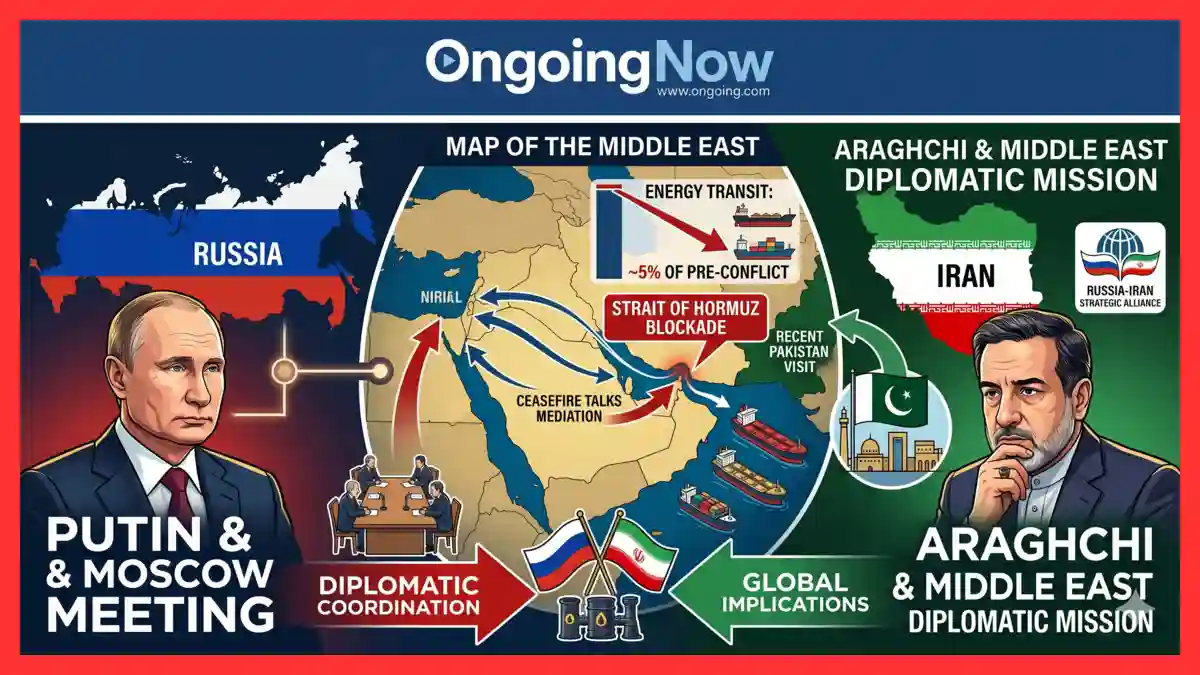
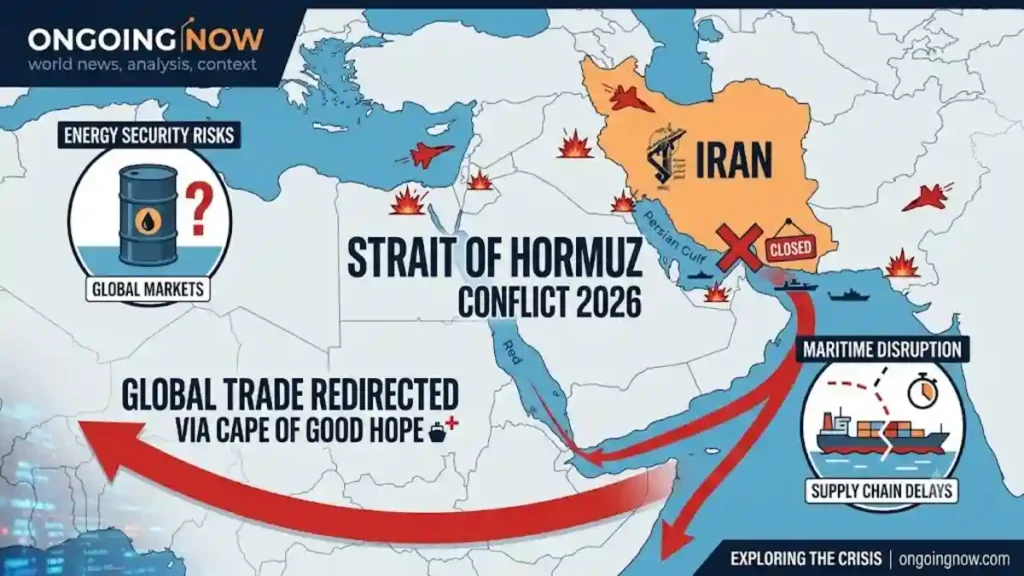
The arrival of Iranian Foreign Minister Abbas Araghchi at St. Petersburg’s Pulkovo Airport on April 27, 2026, marks a pivotal moment in the ongoing efforts to stabilize regional security. Currently, what is known about this Moscow meeting is that it serves as a high-level consultation between President Vladimir Putin and the Iranian leadership to coordinate a unified stance on the fragile ceasefire with the United States. This diplomatic engagement matters globally because it directly impacts the security of the Strait of Hormuz, where a naval blockade has reduced global oil and gas transit to approximately 5% of pre-conflict levels. The discussions involve three distinct angles: the immediate necessity of formalizing a sustainable ceasefire, the strengthening of Russia Iran military cooperation, and the mediation role of regional neighbors like Pakistan and Oman in preventing further escalation.
Within this high-stakes environment, several key entities are actively shaping the narrative. The Kremlin press release confirmed that President Putin is prioritizing these talks to address the stalled negotiations between Tehran and Washington. Concurrently, the government of Pakistan has emerged as a primary mediator, with Araghchi having recently concluded consultations with Prime Minister Shehbaz Sharif and Field Marshal Asim Munir in Islamabad. The United States, under the administration of President Donald Trump, continues to maintain a counter-blockade on Iranian ports, while international bodies and the International Energy Agency (IEA) monitor the resulting energy price spikes. In the background, the Russian Foreign Ministry and officials from Oman are working to ensure that the “Ramadan war” conflict, which began on February 28, does not transition back into active hostilities.
The St. Petersburg Summit and Global Energy Security
The Moscow meeting represents the first face-to-face high-level consultation between the two strategic partners since the conflict’s inception. According to the Iranian Ambassador to Russia, Kazem Jalali, the primary objective is to “provide a report” on the status of negotiations to the Russian authorities. This coordination is essential for both nations, as they remain under extensive Western sanctions and seek to manage the fallout of the U.S.-Israeli strikes that occurred earlier this year.
The geopolitical weight of this summit is underscored by the current state of global trade. With the Strait of Hormuz effectively closed to most commercial traffic, the economic pressure on energy-importing nations has reached critical levels. Russia, while benefiting from higher oil prices, remains committed to its strategic alliance with Tehran, which has been a cornerstone of its broader foreign policy updates. The meeting in St. Petersburg is expected to define the conditions under which Iran might fully reopen the waterway, a move the U.S. has demanded as a prerequisite for lifting its own naval blockade.
Analysis: The Strategic Depth of Russia-Iran Relations
From a geopolitical perspective, this interaction reveals a deepening of the “strategic partnership” frequently cited by both capitals. Russia Iran military cooperation has evolved beyond the supply of Shahed strike drones to include joint efforts in mass-producing defense technologies. This alliance provides Russia with a reliable partner in the Middle East, while offering Iran a powerful diplomatic shield at the United Nations Security Council, where both Russia and China recently vetoed resolutions regarding the Strait of Hormuz.
Evidence suggests that the current diplomatic mission is an attempt to break the stalemate caused by what Tehran describes as “excessive demands” from the U.S. side. By consulting with Putin, Araghchi is likely seeking to leverage Russian influence to gain concessions in the ceasefire framework. The Putin foreign policy updates for 2026 suggest that Moscow views a stable, yet autonomous, Iran as vital to its interests in a multipolar world.
Geopolitical Impact: By the Numbers
The following table outlines the current status of the Strait of Hormuz and related economic metrics as of April 2026:
| Metric | Pre-Conflict (Feb 2026) | Current Status (April 2026) | Impact Level |
| Vessel Transit (Monthly) | ~3,000 ships | ~150 ships (5%) | Critical |
| Global Petroleum Flow | 20% of world supply | Effectively suspended | High |
| LNG Transit | 20% of world supply | Limited to “non-hostile” states | High |
| Oil Price Volatility | Stable | Significant Spikes | Global |
| IEA Emergency Reserves | Standard levels | 400M barrels released | Precautionary |
Note: Data is based on reported shipping figures and IEA releases following the February 28 escalation.
Humanitarian Context and Community Resilience
Beyond the high-level diplomacy of the Moscow meeting, the human impact of the recent conflict remains a central concern. The weeks-long conflict initiated in February has resulted in thousands of casualties and significant displacement. In Iran, the transition of power following the death of the previous Supreme Leader has led to what officials call “40 days of heroic resistance,” a term used to describe the civilian and military response to the initial strikes.
Humanitarian agencies have noted that the naval blockade and subsequent trade disruptions have affected the availability of essential goods in the region. However, the focus of the current Middle East diplomatic mission is to ensure that a sustainable peace allows for the restoration of civilian infrastructure and the safe passage of humanitarian aid. Dignity and resilience remain the core themes for affected communities in both Iran and the wider region as they await the outcome of these high-stakes negotiations.
Comparative Analysis: Diplomatic Patterns in Conflict
The current situation bears a striking resemblance to the 1980s “Tanker War” during the Iran-Iraq conflict, where threats to the Strait of Hormuz similarly drew in global powers and led to international naval interventions. However, the 2026 context is distinct due to the advanced nature of Russia Iran military cooperation and the speed of modern AI-driven defense systems.
Unlike previous eras, the mediation efforts involve a more diverse set of actors. The Abbas Araghchi Pakistan visit highlights how regional powers are now taking the lead in negotiations that were once dominated almost exclusively by Western or UN intermediaries. This shift suggests a maturing of regional diplomatic structures, even as the risk of miscalculation between major powers remains a concern for international observers.
Why This Matters: The Path Forward
What the data shows is a clear link between the success of the Moscow meeting and the future of global energy stability. If Putin and Araghchi can coordinate a proposal that satisfies the security requirements of the ceasefire while addressing the U.S. demand for “freedom of navigation,” a path toward de-escalation may emerge.
“Mr. Araghchi will consult with Russian officials regarding the latest status of negotiations, the ceasefire, and surrounding developments,” stated Ambassador Kazem Jalali. The outcome of these consultations will likely dictate whether the current “conditional ceasefire” transitions into a lasting agreement or if the region remains in a state of precarious suspension.
Verified Perspectives and Official Statements
The diplomatic circuit has been active with named officials providing context on the mission:
Abbas Araghchi (Iranian Foreign Minister): “Changes have occurred in the negotiation process, and incorrect approaches and excessive demands by the US caused the previous round of talks… not to reach its objectives.”
Dmitry Peskov (Kremlin Spokesman): “From the outset, we’ve stressed the necessity of de-escalating tensions as quickly as possible and a shift toward political and diplomatic talks.”
Kazem Jalali (Iranian Ambassador to Russia): “It is an appropriate opportunity to consult with our Russian friends regarding developments related to the war… and to ensure necessary coordinations are made.”
The St. Petersburg diplomatic arrivals of the Iranian delegation signify a commitment to this bilateral path. As the international community watches the results of the Putin foreign policy updates, the focus remains on whether these discussions can provide the necessary breakthrough for the Pakistan-mediated peace process.
Stay sharp with Ongoing Now!
Source and Data Limitations: This report is based on verified news agency dispatches from TASS, IRNA, ISNA, and the House of Commons Library as of April 27, 2026. Data regarding shipping volumes in the Strait of Hormuz is subject to reporting delays and is based on estimated transit percentages. Information regarding the internal deliberations between President Putin and Minister Araghchi is limited to official statements provided by the Kremlin and the Iranian Foreign Ministry. Speculative claims regarding “secret” military agreements or future strike targets were excluded to maintain editorial neutrality and factual accuracy.