Pakistan Brokered Ceasefire Terms and Global Oil Security
Islamabad emerges as the primary diplomatic hub as Pakistan’s Prime Minister Shehbaz Sharif successfully secures a 14-day cessation of hostilities between the United States and Iran.

Pakistan Brokered Ceasefire Terms have established a critical window for diplomacy in the 2026 Iran conflict, pausing a period of intense military engagement that threatened to destabilize global energy markets. The agreement, facilitated by Pakistani Prime Minister Shehbaz Sharif and Field Marshal Asim Munir, went into effect on April 8, 2026, just hours before a deadline set by U.S. President Donald Trump. This temporary truce covers all regional fronts, including Lebanon, though discrepancies in implementation have been reported by local sources.
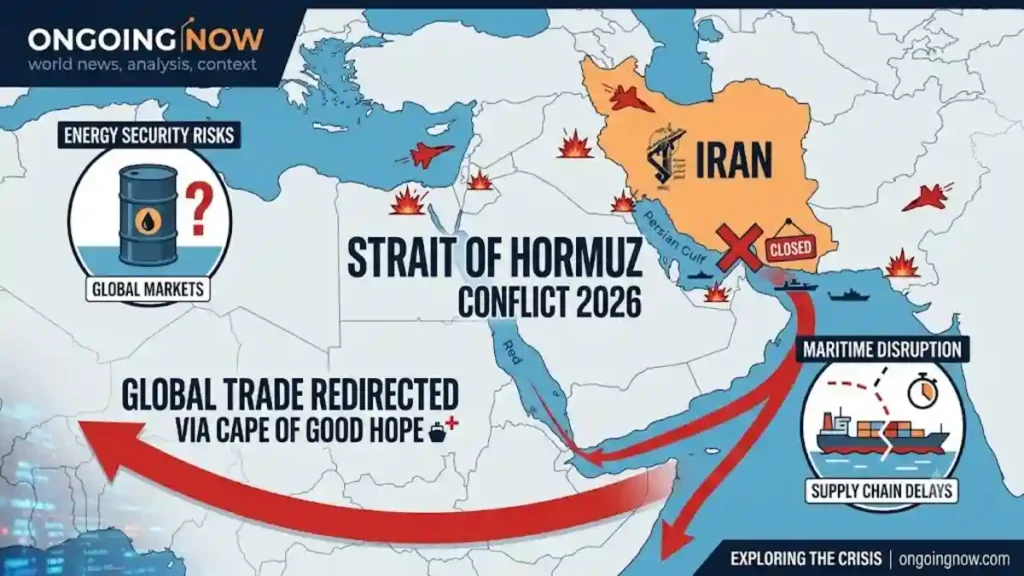
What is currently known about the Pakistan brokered ceasefire terms is their focus on a two-phase framework aimed at immediate de-escalation and long-term settlement. The agreement involves the reopening of the Strait of Hormuz, structured negotiations in Islamabad, and a cessation of aerial and naval strikes. The geopolitical significance of this development is underscored by the involvement of the United States, Iran, Israel, Saudi Arabia, and the United Nations, all of whom have monitored the fragile transition toward the “Islamabad Accord.”
The Genesis of the Islamabad Accord
The path to the Pakistan brokered ceasefire terms began with a 15-point U.S.-led proposal delivered by Pakistani officials to Tehran in late March 2026. This was met with a 10-point Iranian counter-proposal that demanded comprehensive sanctions relief and the withdrawal of foreign forces. The resulting compromise, a two-week temporary truce, was finalized after intensive backchannel communications between Pakistani leadership and U.S. Vice President JD Vance.
As the primary mediator, Shehbaz Sharif emphasized that the agreement is intended to be inclusive. In a public statement on April 8, he confirmed that the Islamic Republic of Iran and the United States, along with their respective allies, had agreed to an “immediate ceasefire everywhere.” This diplomatic breakthrough positioned Pakistan as a rare intermediary capable of maintaining trust with both the Trump administration and the Iranian leadership under President Masoud Pezeshkian.
Humanitarian Impact and Community Resilience
The immediate effect of the Pakistan brokered ceasefire terms has been a tentative pause in the systematic bombing campaigns that characterized the previous six weeks. In Tehran and Beirut, civilians have reportedly used the window to access essential supplies, though the psychological toll of the conflict remains high. Humanitarian organizations note that while the ceasefire provides a respite, the restoration of basic infrastructure like power plants and water systems requires a more permanent settlement.
In Lebanon, the situation remains complex. Despite the inclusion of “Lebanon and elsewhere” in Sharif’s announcement, reports from the Lebanese health ministry indicated continued strikes in the Beqaa Valley and southern Beirut on April 8 and 9. These events highlight the fragile nature of the Pakistan brokered ceasefire terms when applied to non-state actors and secondary conflict theaters. Dignity for the displaced populations in these zones depends entirely on the adherence to the 14-day timeline.
Comparative Framework: Ceasefire Dynamics
To understand the scale of the 2026 agreement, it is useful to compare it with previous regional de-escalation efforts.
| Feature | 2026 Islamabad Accord | 2015 JCPOA Implementation |
| Primary Mediator | Pakistan | P5+1 (UN Security Council) |
| Primary Focus | Immediate Hostilities & Maritime Flow | Long-term Nuclear Monitoring |
| Duration | 14-Day Initial Window | Multi-year framework |
| Geographic Scope | Iran, Lebanon, Strait of Hormuz | Global/Nuclear-specific |
| Key Economic Lever | Strait of Hormuz Reopening | Broad Sanctions Relief |
Note: Data based on April 2026 reporting; implementation status varies by region.
Geopolitical Analysis: The “Islamabad US Iran Talks”
The upcoming “Islamabad US Iran talks,” scheduled for Friday, April 11, 2026, represent the first direct diplomatic engagement between the two nations in years. High-level delegations, including U.S. special envoy Steve Witkoff and Iranian Foreign Minister Abbas Araghchi, are expected to convene in the Pakistani capital. The Pakistan brokered ceasefire terms serve as the prerequisite for these discussions, focusing on maritime security and nuclear constraints.
The role of Shehbaz Sharif in this context is significant. As the leader of a nuclear-armed nation sharing a 1,000km border with Iran and maintaining a strategic partnership with the U.S., Sharif has utilized Pakistan’s unique position to prevent a “total war.” Analysts suggest that the success of the talks depends on whether the U.S. provides conditional sanctions relief in exchange for Iran’s commitment to stop maritime interference.
Trump Reaction to Ceasefire and Market Stability
The Trump reaction to ceasefire developments has been characterized by a claim of “total victory.” Speaking to international media, the U.S. President stated that he agreed to the pause after Pakistani leaders requested he “hold off the destructive force” intended for Iranian infrastructure. Trump has maintained that the suspension of attacks is strictly subject to Tehran’s full cooperation in reopening the Strait of Hormuz to international shipping.
This stance has had an immediate impact on global energy markets. Following the announcement of the Pakistan brokered ceasefire terms, crude oil futures saw a measured stabilization after weeks of volatility. However, traders remain cautious. The “ceasefire violation reports” surfacing on April 9—specifically involving strikes on the Lavan Oil Refinery and drone intercepts in the UAE—have prevented a full market recovery.
Challenges and Verified Violation Reports
The greatest threat to the Pakistan brokered ceasefire terms is the lack of a unified monitoring mechanism. On April 9, 2026, several unverified incidents and confirmed military actions were recorded:
Lebanon: Over 100 airstrikes were reported in a single 10-minute window by the IDF, targeting Hezbollah assets.
Maritime: A container vessel was reportedly struck 25 nautical miles south of Kish Island by an unknown projectile.
Gulf Security: Saudi Arabia and Kuwait reported intercepting drones and missiles, with damage noted at the Habshan gas complex in Abu Dhabi.
These violations underscore the difficulty of enforcing a truce across a fragmented regional landscape. While the Pakistan brokered ceasefire terms remain the official policy of the central governments in Washington and Tehran, the actions of regional proxies continue to test the limits of the agreement.
Evidence-Based Implications for Regional Peace
The 14-day window provided by the Pakistan brokered ceasefire terms is not a final peace deal, but a survival mechanism for regional stability. If the Islamabad talks succeed in extending the truce to 45 days, as originally proposed by Pakistan, it could lead to the unfreezing of Iranian assets and a formal protocol for maritime navigation.
However, the “Who is Shehbaz Sharif” question in the international press reflects a newfound curiosity about Pakistan’s pivot to a global peacemaker. By shifting from a regional actor to a central mediator, Pakistan has redefined its diplomatic reach. The coming days in Islamabad will determine if this mediation can transition from a tactical pause into a sustainable framework for Middle Eastern security.
Stay sharp with Ongoing Now!
Source and Data Limitations: This report is based on verified diplomatic cables, official social media statements from the Prime Minister’s Office (Pakistan), and live updates from Al Jazeera, Reuters, and CBS News as of April 9, 2026. Data regarding ceasefire violations in Lebanon and the Gulf is subject to a 12-hour verification delay due to the active nature of the conflict zones. Reports of strikes on Iranian refineries are categorized as “attributed” to local authorities but remain unverified by independent international observers at this time. Speculative claims regarding Nobel Prize nominations have been excluded from the analytical body to maintain editorial neutrality.