How to Contact CIA Securely: New 2026 Protocols
Detailed analysis of the CIA Farsi X account message and the encryption protocols for secure communication in Iran.
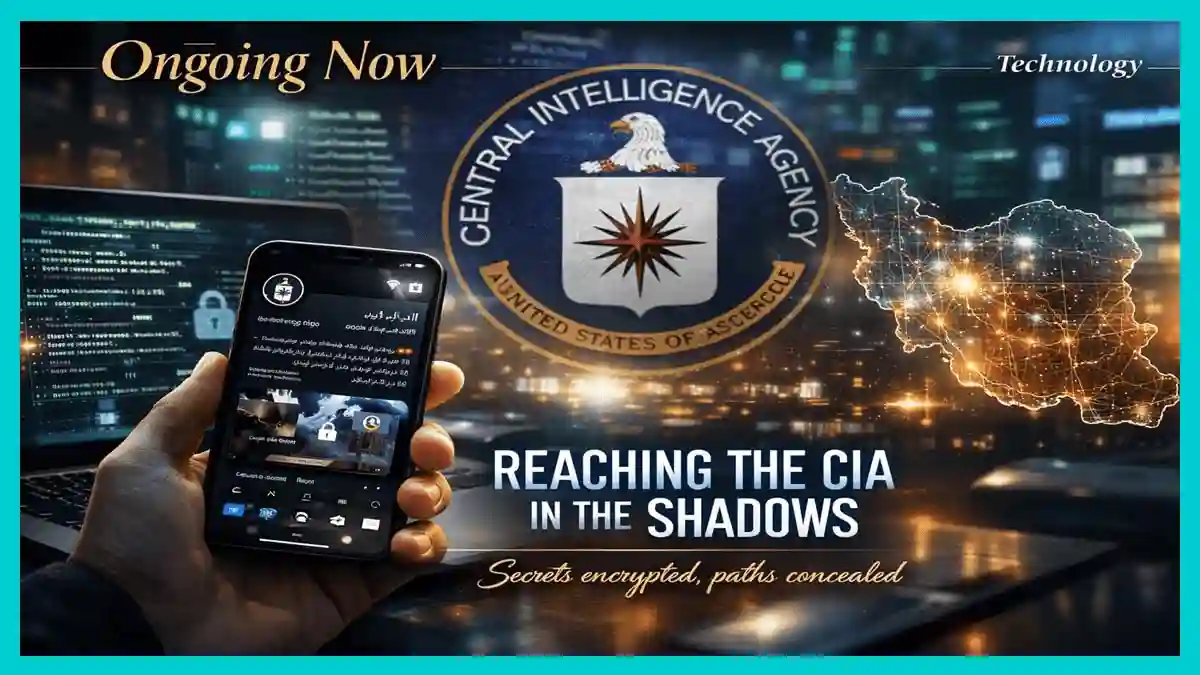
The Central Intelligence Agency (CIA) recently expanded its digital recruitment efforts by publishing a CIA Farsi X account message containing technical instructions for individuals within Iran to establish contact. This initiative, launched in February 2026, emphasizes the use of the Tor browser for Iranian protesters and whistleblowers to bypass state-level surveillance and deep packet inspection (DPI). By leveraging a combination of the Onion Router (Tor), virtual private networks (VPNs), and ephemeral hardware, the agency aims to facilitate a secure pipeline for high-value human intelligence (HUMINT) amidst heightened regional tensions. Understanding how to contact CIA securely now requires a multi-layered approach involving specialized software configurations and strict operational security (OPSEC) protocols to mitigate the risks of digital fingerprinting.
Technical Protocols for Secure Transmission
To ensure the anonymity of sources, the CIA’s latest guidance moves beyond traditional encrypted messaging toward “zero-trace” digital environments. The agency recommends that individuals avoid all native applications on personal devices, which may have underlying telemetry linked to national identity databases. Instead, the primary recommendation is the use of the Tor browser for Iranian protesters and dissidents.
The Tor network provides anonymity by wrapping data in multiple layers of encryption and routing it through three distinct nodes—the entry, relay, and exit nodes. This process masks the user’s original IP address, making it technically difficult for the Statistical Center of Iran or telecommunications providers to trace the traffic back to a specific residence or mobile tower in Tehran.
Key Security Recommendations
Hardware Isolation: The CIA advises using a “burner” or disposable device that has never been associated with a personal SIM card or a home Wi-Fi network.
Browser Configuration: Users are instructed to use the latest version of the Tor Browser or a security-hardened browser like Firefox in “Incognito” mode, with all scripts disabled.
Network Obfuscation: Utilizing a VPN for Iran protests 2026 is suggested as a preliminary layer before launching Tor. This “VPN-over-Tor” or “Tor-over-VPN” setup helps hide the fact that a user is even accessing the Tor network, which itself can be a red flag to censors.
Strategic Shift in CIA Recruitment: Persian Language Outreach
The recent CIA recruitment Persian language campaign is a response to the “hard target” nature of the Iranian information environment. Unlike previous years where physical “dead drops” or face-to-face meetings were the standard, the 2026 strategy relies almost entirely on the dark web. The CIA maintains a dedicated .onion site—a hidden service accessible only through Tor—to receive sensitive documents and messages.
The Persian-language video published on X (formerly Twitter), Instagram, and YouTube provides a step-by-step walkthrough of these digital safeguards. By communicating directly in Farsi, the agency attempts to lower the barrier for entry for “volunteers” who may possess technical skills or internal access but lack professional training in clandestine tradecraft.
Comparison of Secure Communication Platforms (2026)
| Platform | Encryption Type | Primary Use Case in Iran | Risk Level |
| Tor Browser | Multi-layer Onion Routing | Accessing CIA .onion portal | Low (if configured correctly) |
| Signal App | End-to-End (Signal Protocol) | Peer-to-peer coordination in Tehran | Moderate (requires VPN) |
| Proton VPN | AES-256 / Stealth Protocol | Bypassing local “White List” filters | Moderate (Meta-data risk) |
| Burner Phone | Cellular / Hardware | Temporary one-time communication | High (Cell tower triangulation) |
Signal App Use in Tehran and Regional Obstacles
While the CIA focuses on its proprietary intake portals, the Signal app use in Tehran remains a critical tool for ground-level coordination. Signal’s “Sealed Sender” technology and “Registration Lock” features provide significant protection against account takeovers. However, the Iranian government’s move toward “absolute digital isolation”—often referred to as the National Information Network (NIN)—presents a unique challenge.
In early 2026, reports from monitor Filterwatch indicated that many standard VPN protocols were being throttled or blocked via AI-driven traffic analysis. To counter this, secure communication apps in Iran now often require “Obfsproxy” or “Meek” bridges within the Tor network to make encrypted traffic appear as standard HTTPS web browsing.
“The goal is to provide a protected, censorship-resistant communication method that bypasses the domestic filtering infrastructure,” stated the CIA in its February 2024 instructional release. “Users must be aware of their physical surroundings and who may be able to see their screen.”
Reporting Human Rights Abuses: Data Integrity
Beyond military and nuclear intelligence, a significant portion of the outreach focuses on reporting human rights abuses in Iran. The agency seeks verified data, including geotagged metadata from videos and internal government memos, regarding the crackdown on university protests in late 2025 and early 2026.
To maintain the integrity of these reports, the CIA’s secure portal utilizes cryptographic hashing to ensure that files have not been tampered with during transit. This technical “chain of custody” is essential for the information to be used in international diplomatic forums or by bodies such as the United Nations Human Rights Council.
Analysis: The Evolution of Digital Tradecraft
What the Data Shows: The shift toward public social media recruitment indicates a transition from “Pull” to “Push” intelligence gathering. By providing the tools for how to contact CIA securely upfront, the agency is essentially crowdsourcing its lead generation.
This method carries inherent risks:
Signal-to-Noise Ratio: A high volume of low-quality or “honeypot” (decoy) data from Iranian counter-intelligence.
Technological Literacy: The requirement for Tor and VPNs assumes a level of technical proficiency that may exclude some sources.
Metadata Leaks: While the message content is encrypted, the timing and size of data packets can still reveal patterns to sophisticated state actors.
Societal and Ethical Implications
The use of secure communication apps in Iran is not merely a technical choice but a matter of personal safety. Under current Iranian law, the use of unauthorized VPNs and contact with foreign intelligence entities can carry severe legal penalties. The CIA’s public outreach puts the onus of security on the individual source, emphasizing that they should “take appropriate action” before attempting contact.
From a human-centric perspective, this digital “arms race” between encryption and surveillance impacts the everyday lives of millions. As the government tightens its “White List” of approved websites, the tools used by informants—Tor, Signal, and VPNs—are the same tools used by students, journalists, and activists to access the global internet.
Performance Metrics of Secure Portals
Latency: Tor routing typically adds 200–500ms of latency, which may affect real-time uploads of large video files.
Reliability: During peak protest periods, “bridge” nodes are often the only way to maintain a connection.
Accessibility: The CIA’s .onion address is a 56-character string, requiring sources to store it securely without leaving a physical or digital trail.
Industry and Regulatory Context
The global technology industry is increasingly caught in the middle of these intelligence operations. Standards bodies like the IETF (Internet Engineering Task Force) continue to debate protocols like ECH (Encrypted Client Hello), which would hide the name of the website a user is visiting from network observers.
For users in Tehran or Mashhad, these technical nuances are the difference between successful communication and detection. The CIA’s instruction to use “trusted VPNs” specifically excludes those headquartered in Russia, China, or Iran, highlighting the geopolitical divide in the VPN industry and the importance of jurisdiction in data privacy.
Stay sharp with Ongoing Now!
Source and Data Limitations: This report is based on official social media releases from the Central Intelligence Agency (February 24-26, 2026), reports from the Associated Press, Reuters, and technical analysis of the Tor Project and Signal Foundation protocols. Data regarding Iranian internet shutdowns is sourced from Filterwatch and Chatham House (January 2026). Technical claims regarding encryption (AES-256) are based on industry standards. This article does not constitute security advice; users in high-risk environments should consult with professional digital security experts. Some specific operational details of the CIA’s internal intake process remain classified and are excluded from this analysis.



hzjfemnxljzentmsxyvrnniqzglrqz