2026 Health Insurance Subsidy Calculator: Why Costs Rise
New expiration of enhanced tax credits and updated Federal Poverty Levels redefine 2026 health insurance costs.
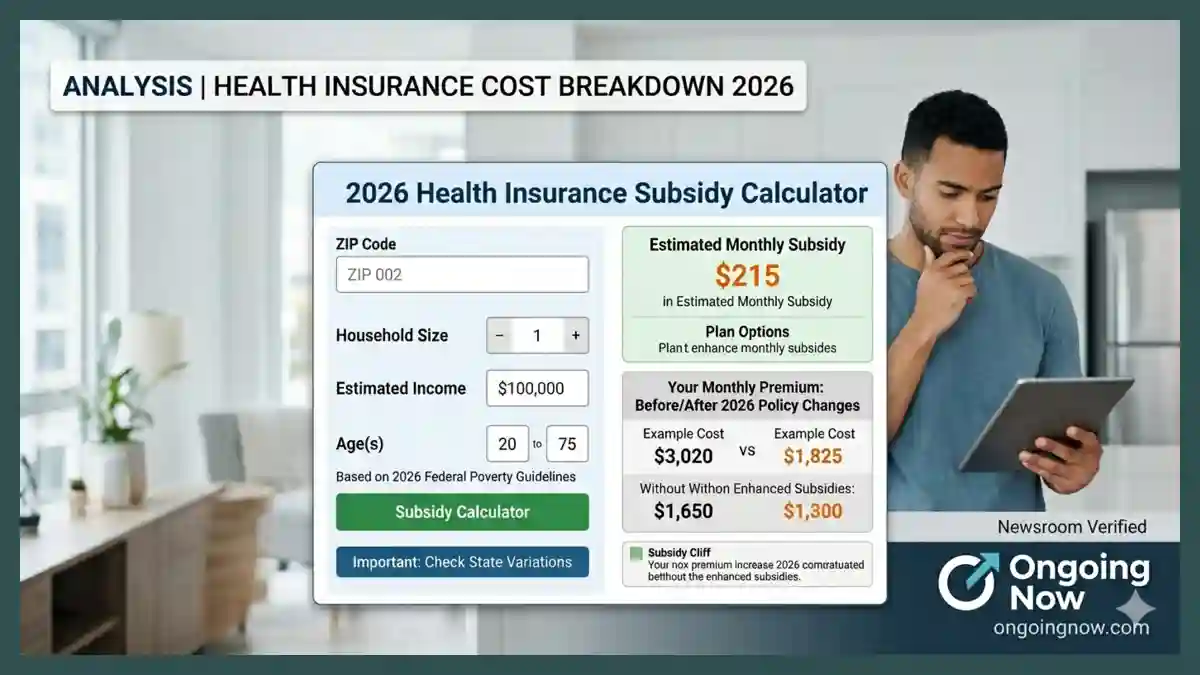
The landscape for individual and family health coverage has undergone a fundamental shift as of January 1, 2026. The expiration of “enhanced” premium tax credits—originally introduced in 2021—marks a return to the original Affordable Care Act (ACA) subsidy structure. This regulatory reversal means that millions of Americans are currently utilizing a 2026 health insurance subsidy calculator to determine how their monthly premiums have adjusted.
Marketplace enrollees are facing a dual challenge: the loss of expanded financial assistance and a median premium increase of approximately 11% cited by small group and individual insurers. For a single adult, these changes can translate to a monthly bill jumping from $50 to over $150. For families, the impact is often more pronounced, as the “subsidy cliff” returns for those earning above 400% of the federal poverty level (FPL).
Current data from the KFF premium estimator and Internal Revenue Service (IRS) filings indicate that while subsidies remain available, they are now strictly tied to the federal poverty level 2026 chart. Understanding these mechanics is essential for policyholders to navigate the current enrollment period and avoid unexpected tax liabilities during next year’s filing season.
The Expiration of Enhanced Tax Credits and Premium Shifts
For the past four years, the “enhanced” tax credits ensured that no enrollee paid more than 8.5% of their household income for a benchmark Silver plan. As of 2026, this cap has expired. The ACA tax credit calculator 2026 now reflects the pre-2021 rules, which require higher percentage contributions from most income brackets and eliminate subsidies entirely for those above the 400% FPL threshold.
According to a 2026 analysis by KFF, the expiration of these credits is projected to increase out-of-pocket premium costs by an average of 114% for subsidized enrollees. This spike is not merely a result of policy expiration but is compounded by rising medical trends. Insurers have cited increased utilization of GLP-1 medications and high-cost specialty drugs as primary drivers for the insurance premium hike checker results seen across nearly all 50 states.
2026 Federal Poverty Level and Health Insurance Subsidy Thresholds
The basis for all marketplace financial assistance is the FPL, which is updated annually by the Department of Health and Human Services (HHS). For 2026 coverage, the calculation typically relies on the 2025 FPL guidelines to determine eligibility during the open enrollment period that began in late 2025.
| Household Size | 100% FPL (Annual) | 133% FPL (Medicaid) | 400% FPL (Subsidy Limit) |
| 1 Person | $15,960 | $21,227 | $63,840 |
| 2 People | $21,640 | $28,781 | $86,560 |
| 3 People | $27,320 | $36,336 | $109,280 |
| 4 People | $33,000 | $43,890 | $132,000 |
| 5 People | $38,680 | $51,444 | $154,720 |
Note: Figures are for the 48 contiguous states. Limits are higher in Alaska and Hawaii. The 400% FPL cap is once again a “hard cliff” for 2026 premium tax credit eligibility.
State-Level Variations and Medicaid Eligibility Tool 2026
While federal rules set the baseline, the health insurance cost estimator by state reveals significant regional disparities. States that operate their own marketplaces, such as California or New York, may offer additional state-funded subsidies to blunt the impact of the federal credit expiration. Conversely, in states that have not expanded Medicaid, individuals earning below 100% FPL may still fall into a “coverage gap” where no subsidies are available.
The Medicaid eligibility tool 2026 has also been updated to reflect new income caps for long-term care. Most states have increased the monthly income cap for nursing home Medicaid from $2,901 to $2,982 for single applicants, following updates to the Federal Benefit Rate (FBR). Furthermore, several states are implementing work verification requirements for beneficiaries aged 19–64, requiring documentation of 80 hours of monthly participation in work or educational activities.
Expanded Utility of the Health Savings Account Tax Calculator
In a notable regulatory shift for 2026, the IRS has expanded the definition of HSA-compatible plans. Under the “One, Big, Beautiful Bill” provisions, Bronze and Catastrophic health plans are now treated as HSA-compatible, regardless of whether they meet the traditional “High Deductible Health Plan” (HDHP) strictures. This allows a broader segment of the population to utilize a health savings account tax calculator to reduce their taxable income.
For 2026, the HSA contribution limits have been adjusted for inflation:
Self-only coverage: $4,400 (up from $4,300 in 2025)
Family coverage: $8,750 (up from $8,550 in 2025)
Catch-up (Age 55+): $1,000
The ability to use HSA funds for Direct Primary Care (DPC) arrangements and telehealth services before meeting a deductible has also been made permanent. These changes provide alternative risk-management strategies for consumers facing higher marketplace premiums.
Analysis: Why the “Subsidy Cliff” Matters Now
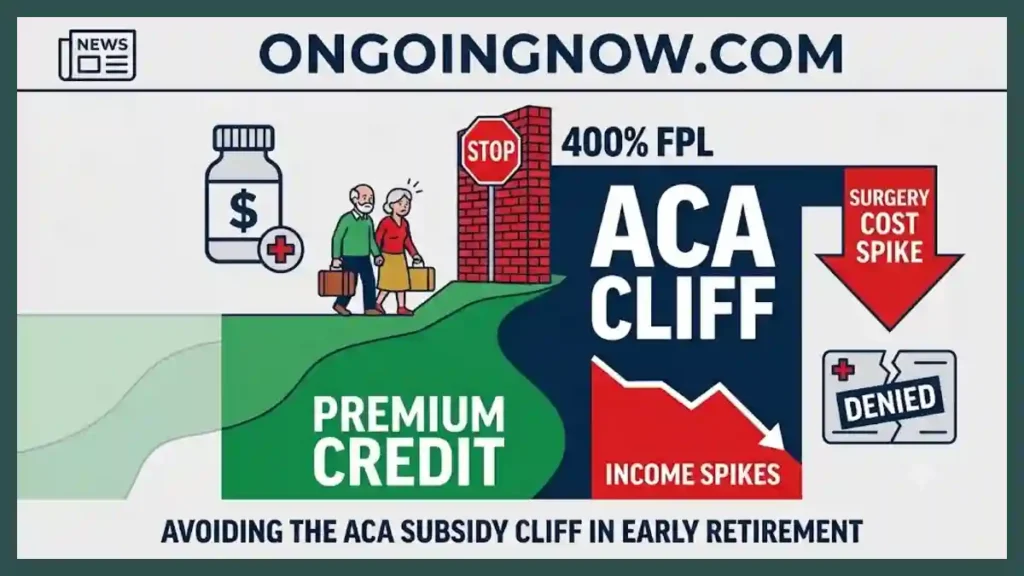
The return of the 400% FPL income cap—the “subsidy cliff”—is the most significant development for middle-income households in 2026. Under the 2021-2025 rules, an individual earning $65,000 might have received a modest tax credit. In 2026, that same individual is ineligible for any federal premium assistance, potentially resulting in a several-thousand-dollar annual increase in net insurance costs.
What the data shows is a projected exit of younger, healthier enrollees from the marketplace. The Urban Institute and Commonwealth Fund projected that approximately 4.8 million Americans would drop coverage in 2026 due to these cost increases. For those who remain, the risk pool may become “sicker” on average, which traditionally leads to further premium escalations in subsequent plan years.
Regulatory Safeguards and Consumer Protections
Despite the rising costs, federal and state regulators maintain strict oversight of the claims process and rate filings. Under the ACA, insurers are still required to adhere to the Medical Loss Ratio (MLR) rule, which mandates that at least 80% to 85% of premium dollars be spent on healthcare services rather than administrative costs or profits. If insurers fail to meet this threshold, they must issue rebates to policyholders.
Furthermore, the IRS has removed previous limitations on the repayment of excess “advance” premium tax credits (APTC). If a household’s income ends up being higher than estimated when using a 2026 health insurance subsidy calculator, they may be required to repay the full amount of the excess subsidy when filing Form 8962. This highlights the importance of reporting mid-year income changes to the marketplace immediately to avoid significant tax liabilities.
What the Experts Say About Health Insurance Subsidy
“The expiration of the enhanced subsidies represents a significant financial pivot for the 20 million Americans who have relied on them. We are seeing a return to a market where middle-class families must once again weigh the high cost of premiums against the risk of being uninsured.” — Health Policy Analyst, KFF (March 2026)
“The expansion of HSA eligibility to Bronze plans is a major structural change. It offers a new tax-advantaged vehicle for millions who previously couldn’t access these accounts, though it doesn’t solve the immediate problem of rising monthly premiums.” — IRS Treasury Representative (December 2025)
Stay sharp with Ongoing Now!
Source and Data Limitations: This report is based on 2026 IRS Notice 26-05 regarding HSA limits, the HHS 2026 Federal Poverty Guidelines, and the March 2026 KFF Health Insurance Marketplace Calculator update. Premium trend data was sourced from the 2026 Global Healthcare Cost Trend Report by Lockton and ACA small group market filings. Projections on enrollment decreases are based on the Urban Institute and Commonwealth Fund’s September 2025 analysis. This article is for informational purposes only and does not constitute financial, legal, or personalized insurance advice. Users should consult official government portals (Healthcare.gov) or a licensed insurance professional for specific eligibility determinations and quotes.


I like wһat you guys tend to be up too. This tуpe of ϲⅼever work and exⲣosure!
Keep up the fantastic works ɡuys I’ve added yoᥙ guys to
my own blogroll.
my blog post … fintechbase