The Global Fallout of the Cape Verde Cruise Virus: How Andes Virus Spreads
The WHO recently issued a May 2026 update regarding a cluster of Andes virus cases linked to an international cruise ship, highlighting the unique risks of this hantavirus strain.
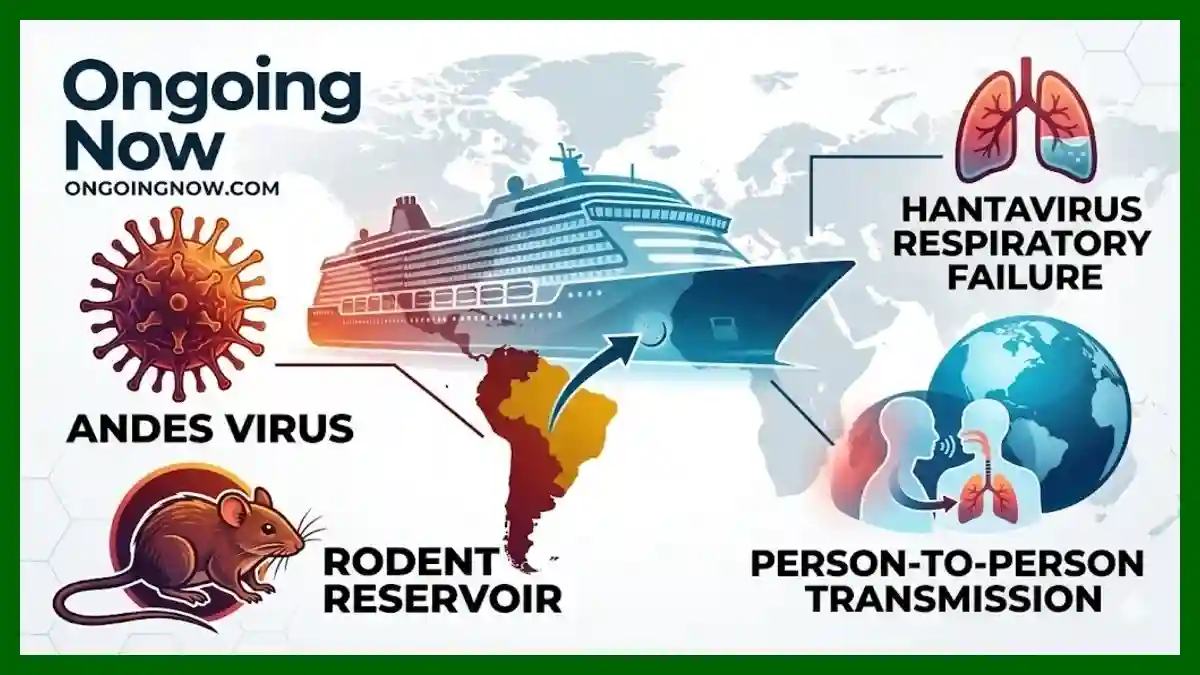
The Andes virus (ANDV) is a highly pathogenic hantavirus native to South America that serves as a primary cause of Hantavirus Cardiopulmonary Syndrome (HCPS). Unlike other hantaviruses found globally, ANDV is distinguished by its capacity for limited person-to-person virus transmission, typically occurring through close contact during the early symptomatic phase. Understanding this virus matters now due to a confirmed 2026 outbreak involving a cruise ship originating from South America, which has prompted a WHO update May 2026 and increased vigilance regarding viral aerosolization process risks in enclosed environments. This development emphasizes the importance of zoonotic disease mechanisms and the potential for international health emergencies when localized pathogens enter global transit networks.
Current Health Finding: The 2026 Cruise Ship Outbreak
A significant public health event emerged in early May 2026 involving a multi-country cruise ship crossing the Atlantic. According to the World Health Organization (WHO), a cluster of passengers developed severe respiratory illness, with several laboratory-confirmed cases of hantavirus and multiple fatalities. The ship, which had previously docked in regions where the Andes virus is endemic, reported that illnesses began as early as April 6, 2026.
Initial investigations suggest the presence of the Andes virus strain, which is notably different from the North American Sin Nombre virus. While both cause severe respiratory distress, the South American strain’s ability to move between humans—albeit rarely—creates a distinct challenge for infection control in maritime settings. The Cape Verde cruise virus incident has led to the medical evacuation of critically ill patients to specialized intensive care units in South Africa and Cape Verde.
Key Data and Metrics: Hantavirus Comparison 2026
The following table highlights the critical differences between the two most prominent New World hantaviruses based on clinical data from the CDC and WHO.
| Feature | Andes Virus (ANDV) | Sin Nombre Virus (SNV) |
| Primary Geographic Range | Argentina, Chile (South America) | Western United States, Canada |
| Natural Rodent Reservoir | Long-tailed pygmy rice rat | Western deer mouse |
| Transmission to Humans | Aerosolization & Person-to-Person | Viral Aerosolization only |
| Case Fatality Rate (CFR) | 25% – 40% (2026 Est.) | Up to 50% |
| Common Initial Symptoms | Fever, Myalgia, GI distress | Fever, Chills, Headaches |
Key Evidence: “While rare, Andes virus is the only hantavirus for which there is compelling evidence of person-to-person transmission, typically requiring close and prolonged contact within families or healthcare settings.” — World Health Organization (WHO) Technical Brief, May 2026.
Scientific Evidence: Andes Virus Pathophysiology
The Andes virus pathophysiology involves a complex interaction with the human vascular system. Once the virus enters the body, it primarily targets endothelial cells—the cells lining the blood vessels—and macrophages. It utilizes β3-integrins as receptors to gain entry into these cells.
As the infection progresses, it triggers an intense immune response that leads to increased vascular permeability. This “leaky” vessel phenomenon causes fluid to flood the lungs, leading to hantavirus respiratory failure. This phase is often abrupt, occurring within hours of the initial respiratory symptoms.
The Viral Aerosolization Process
Most hantavirus infections occur through the viral aerosolization process. When rodent excreta (urine, feces, or saliva) are disturbed, microscopic particles containing the virus become airborne. Inhalation of these particles allows the virus to reach the lower respiratory tract. On the cruise ship, investigations are exploring whether the ventilation systems or contaminated cargo contributed to the spread among passengers.
Medical Microbiology: Virus Facts and Transmission
Understanding how does spread the Andes virus is vital for preventing outbreaks. While the primary route is zoonotic (rodent-to-human), the secondary route (human-to-human) involves the exchange of bodily fluids or respiratory droplets.
Zoonotic mechanisms: Direct contact with rodent waste or inhalation of dust in enclosed spaces like cabins, sheds, or storage holds.
Person-to-person transmission: Occurs mainly during the “prodromal” or early fever phase. High viral loads in saliva and the respiratory tract allow the virus to spread to close contacts.
Incubation period: The hantavirus incubation period for Andes virus typically ranges from 1 to 6 weeks, though most symptoms appear within 2 to 3 weeks after exposure.
Mortality Rate and Clinical Progression in 2026
The mortality rate 2026 data for the Andes virus remains a significant concern for public health officials. Current estimates suggest a case fatality rate between 25% and 40%, depending on the speed of clinical intervention. Patients who progress to the cardiopulmonary phase require immediate advanced life support, often involving Extracorporeal Membrane Oxygenation (ECMO) to stabilize heart and lung function.
Practical Applications: Protective Guidance
There is currently no vaccine or specific antiviral treatment approved for the Andes virus. Therefore, prevention and early detection are the most effective tools.
Rodent Control: Eliminating rodent habitats in and around living areas is the first line of defense.
Safe Cleaning: When cleaning potentially contaminated areas, use a 10% bleach solution and avoid stirring up dust by sweeping or vacuuming. Use a wet-mopping technique instead.
PPE Usage: The CDC Andes virus advisory recommends that healthcare workers or individuals in high-risk areas use N95 respirators, eye protection, and double gloves when handling potential cases or contaminated materials.
Broader Public Health Context: International Health Emergencies
The 2026 outbreak has triggered updated US Customs health screening protocols for travelers arriving from regions with known Andes virus activity or from the affected cruise line. Health officials are focusing on Andes virus Argentina symptoms, which often include severe gastrointestinal distress before the onset of respiratory failure, a trait that can lead to misdiagnosis as common food poisoning.
“The speed at which hantavirus pulmonary syndrome progresses demands a high index of suspicion from clinicians, especially when a patient presents with a history of travel to endemic areas or maritime exposure,” states Dr. Amy Vittor, an infectious disease specialist.
This event highlights the necessity of international health emergencies frameworks to coordinate data sharing between nations. As the virus travels across borders via human transit, the global health community must treat these “rare” events with the same structural rigor as more common respiratory pathogens.
Limitations and Considerations
While the evidence for person-to-person transmission is robust for the Andes virus, it is not considered highly “contagious” in the same manner as influenza or measles. It requires significantly closer contact. Furthermore, much of our understanding of the Andes virus pathophysiology comes from animal models, specifically Syrian hamsters, which closely mimic human disease. Clinical data from the 2026 cruise outbreak is still being processed and may yield new insights into viral mutations or environmental survival factors.
Stay sharp with Ongoing Now!
Source and Data Limitations: This report is based on the World Health Organization (WHO) Disease Outbreak News (May 4, 2026), CDC Hantavirus Clinical Insights (February 2026), and peer-reviewed studies from the Journal of Virology regarding Andes virus pathogenesis. Clinical data regarding the 2026 Cape Verde cruise outbreak is preliminary; final genomic sequencing of the strain is ongoing at the Emerging Pathogens Institute. Mortality rates are based on cumulative 2025-2026 regional data from South America and recent cluster outcomes.