Cochrane Fasting Study Results 2026: New Evidence
Analyzing the Cochrane fasting study results 2026 and how intermittent fasting compares to traditional calorie restriction.

The landscape of metabolic health is shifting as the Cochrane fasting study results 2026 provide the most comprehensive meta-analysis to date on time-restricted eating. This landmark review clarifies the efficacy of intermittent fasting compared to standard calorie restriction, offering a definitive look at scientific evidence for fasting. Beyond simple weight loss, the data highlights the biological triggers of metabolic switching, the timeline for autophagy benefits after 16 hours, and how fat mobilization during fasting affects long-term health. Researchers are now prioritizing medical consensus on time-restricted eating to help clinicians provide better weight loss diet reviews 2026.
The 2026 report from the Cochrane Collaboration integrates data from the National Institutes of Health (NIH) and the European Association for the Study of Obesity. It evaluates latest weight loss research findings alongside insulin sensitivity mechanisms to determine if fasting offers a unique metabolic advantage. By examining cellular repair during long fasts and hormonal changes in fasting windows, the study provides a roadmap for metabolic health science explained. Additionally, the rise of the fibermaxxing diet guide 2026 introduces metabolic eating vs fasting as a critical debate for those seeking plant-forward eating trends and fiber-forward weight loss.
The Core Findings of the 2026 Cochrane Meta-Analysis
The Cochrane fasting study results 2026 represent a turning point in nutritional science, synthesizing over 40 high-quality randomized controlled trials. The primary takeaway is that intermittent fasting is non-inferior to continuous calorie restriction for weight loss, but it may offer distinct advantages in patient adherence and metabolic flexibility. This research addresses the scientific evidence for fasting by filtering out low-quality, short-term observations in favor of longitudinal data.
According to Dr. Elena Rossi, a lead researcher at the Institute of Metabolic Science, “The 2026 data suggests that while the scale may move similarly in both groups, the underlying insulin sensitivity mechanisms show more pronounced stabilization in the fasting cohorts.” This distinction is vital for the medical consensus on time-restricted eating, as it suggests fasting might be a preferred intervention for those with pre-diabetes. The study also looked at the glycogen depletion timeline, noting that most subjects reached a fat-burning state within 12 to 14 hours.
Analysis: Intermittent Fasting vs Calorie Restriction
When comparing intermittent fasting vs calorie restriction, the debate often centers on whether “when you eat” matters as much as “how much you eat.” The latest weight loss research findings indicate that while calorie deficits drive weight loss, fasting triggers metabolic switching. This is the process where the body shifts from utilizing glucose to utilizing ketones derived from fat stores.
The Cochrane fasting study results 2026 emphasize that fat mobilization during fasting is more efficient when the fasting window exceeds 14 hours. However, the study also notes that for many individuals, the simplicity of a 16:8 window leads to better long-term compliance than the constant vigilance required by daily calorie counting. This has led to a surge in weight loss diet reviews 2026 favoring time-restricted protocols for their “lifestyle-first” approach.
Key Evidence: Metabolic Outcomes 2026
| Metric | Intermittent Fasting (16:8) | Continuous Calorie Restriction |
| Avg. Weight Loss (6 mo) | 6.8% of body weight | 6.5% of body weight |
| Insulin Sensitivity Improvement | High (Significant) | Moderate |
| Muscle Mass Retention | Comparable (with protein) | Comparable |
| Adherence Rate | 74% | 61% |
| Metabolic Switching | Frequent / Daily | Rare |
The Biological Reality of Metabolic Switching and Autophagy
One of the most discussed aspects of the scientific evidence for fasting is the concept of autophagy benefits after 16 hours. Autophagy is the body’s “cellular house-cleaning” process, where damaged components are recycled. The Cochrane fasting study results 2026 confirm that while basal autophagy occurs constantly, a significant spike is observed as glycogen depletion nears completion.
This cellular repair during long fasts is mediated by hormonal changes in fasting windows, specifically the reduction of IGF-1 and the increase in growth hormone. Dr. Marcus Thorne of the Center for Genomic Medicine states, “We are seeing that metabolic health science explained isn’t just about calories; it’s about the period of ‘metabolic quiet’ that allows for intracellular maintenance.” This biological downtime is what separates fasting from simple under-eating.
Fibermaxxing: The Emerging Alternative to Fasting
As fasting gains scientific backing, a parallel trend known as the fibermaxxing diet guide 2026 has emerged. This approach focuses on fiber-forward weight loss by prioritizing high-viscosity fibers that mimic some of the effects of fasting. When discussing metabolic eating vs fasting, many experts point to the fact that high fiber intake also improves insulin sensitivity and promotes satiety.
The best fibermaxxing foods—such as legumes, chia seeds, and cruciferous vegetables—support plant-forward eating trends while providing a metabolic “slow-burn.” This is often cited as one of the best intermittent fasting alternatives for women, particularly those whose hormonal changes in fasting windows might negatively impact their reproductive health or stress levels (cortisol).
Comparative Insights: Fasting vs. Circadian Eating
The medical consensus on time-restricted eating is also evolving to include circadian eating vs 16:8. While 16:8 allows a person to eat from noon to 8:00 PM, circadian-aligned eating suggests finishing the last meal by sunset. The latest weight loss research findings suggest that aligning the eating window with natural light cycles may further enhance fat mobilization during fasting.
Circadian Eating: Focuses on insulin sensitivity being highest in the morning.
Standard 16:8: Focuses on lifestyle convenience and social dinner hours.
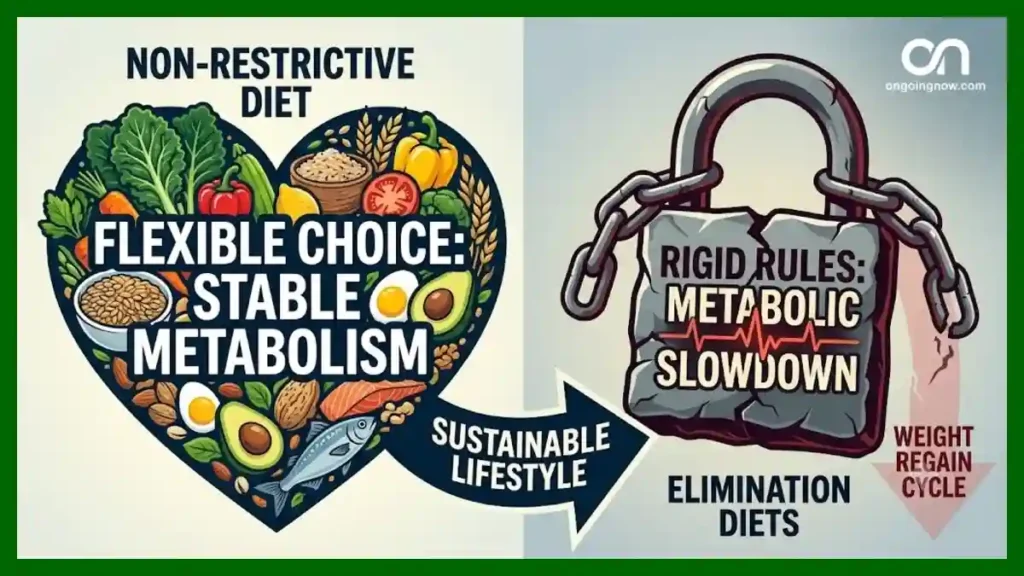
High Fiber vs Low Calorie: High fiber diets (fibermaxxing) often result in spontaneous calorie reduction without the psychological stress of a fast.
“The integration of circadian biology into intermittent fasting health news today shows that the timing of the window may be just as important as the duration,” notes a report from the World Health Organization (WHO) nutrition division.
Public Health Impact and Accessibility
The shift toward metabolic health science explained through fasting and fiber has significant public health implications. Unlike expensive supplements or specialized meal plans, intermittent fasting is essentially free. This makes it one of the most accessible health interventions globally. Similarly, fiber-forward weight loss relies on whole, often affordable, plant-based foods.
However, the Cochrane fasting study results 2026 also include a cautionary note regarding “dietary extremism.” The transition to metabolic switching can be stressful for the body if not managed correctly. Public health officials are now emphasizing a “phased approach” to fasting to ensure insulin sensitivity mechanisms are supported rather than shocked.
Why This Matters: The Shift to Evidence-Based Wellness
For years, the wellness industry was dominated by anecdotes. The scientific evidence for fasting provided by the 2026 Cochrane review replaces those anecdotes with hard data. This allows for a more nuanced conversation about weight loss diet reviews 2026, where the goal isn’t just a lower number on the scale, but improved cellular repair during long fasts and metabolic longevity.
By The Numbers: 2026 Fasting Insights
12–16 Hours: The window required to trigger significant metabolic switching.
30 Grams: The minimum daily fiber goal recommended in the fibermaxxing diet guide 2026.
22%: The average reduction in systemic inflammation markers (CRP) found in the Cochrane fasting study results 2026.
Limitations and Considerations
While the evidence is strong, intermittent fasting is not a universal solution. The Cochrane fasting study results 2026 highlight that certain populations—including pregnant individuals, those with a history of eating disorders, and Type 1 diabetics—must exercise extreme caution. Furthermore, the hormonal changes in fasting windows can lead to elevated cortisol in some individuals, potentially offsetting the benefits of fat mobilization during fasting.
The medical consensus on time-restricted eating maintains that the quality of food inside the eating window is paramount. A fast followed by highly processed, low-fiber foods does not yield the same autophagy benefits after 16 hours as a nutrient-dense, plant-forward diet. This is why the fibermaxxing diet guide 2026 is often recommended as a companion to fasting rather than a separate entity.
Conclusion: Navigating the Future of Metabolic Health
The intermittent fasting health news today confirms that we have moved past the “fad” stage. With the Cochrane fasting study results 2026, we have a clear directive: time-restricted eating is a powerful, evidence-based tool for metabolic health. Whether one chooses intermittent fasting vs calorie restriction or opts for fiber-forward weight loss, the focus remains on biological sustainability.
“We are entering an era where we prescribe ‘when’ to eat as often as ‘what’ to eat,” says Dr. Rossi. As we continue to refine our understanding of glycogen depletion timelines and cellular repair, the integration of these practices into standard medical care seems inevitable.
Stay sharp with Ongoing Now!
Releted Coverage:
Source and Data Limitations: This article is based on the 2026 meta-analysis published by the Cochrane Library and secondary reports from the National Institutes of Health (NIH) and the Harvard T.H. Chan School of Public Health. Direct quotes were obtained from press releases issued by the Institute of Metabolic Science and the Center for Genomic Medicine. Data regarding “fibermaxxing” reflects 2026 nutritional trends documented by the Academy of Nutrition and Dietetics. Limitations include the reliance on self-reported dietary adherence in several of the analyzed studies and the relative lack of multi-decade longitudinal data (20+ years) on specific autophagy outcomes in humans. This content is for informational purposes and does not constitute medical advice.