From Root Exploration to Residency: Why Historic Diasporans Move to Ghana in 2026
Unpacking Ghana’s 2026 accelerated citizenship pathways, updated visa-fee waivers, and structured land acquisition frameworks for the global African diaspora.
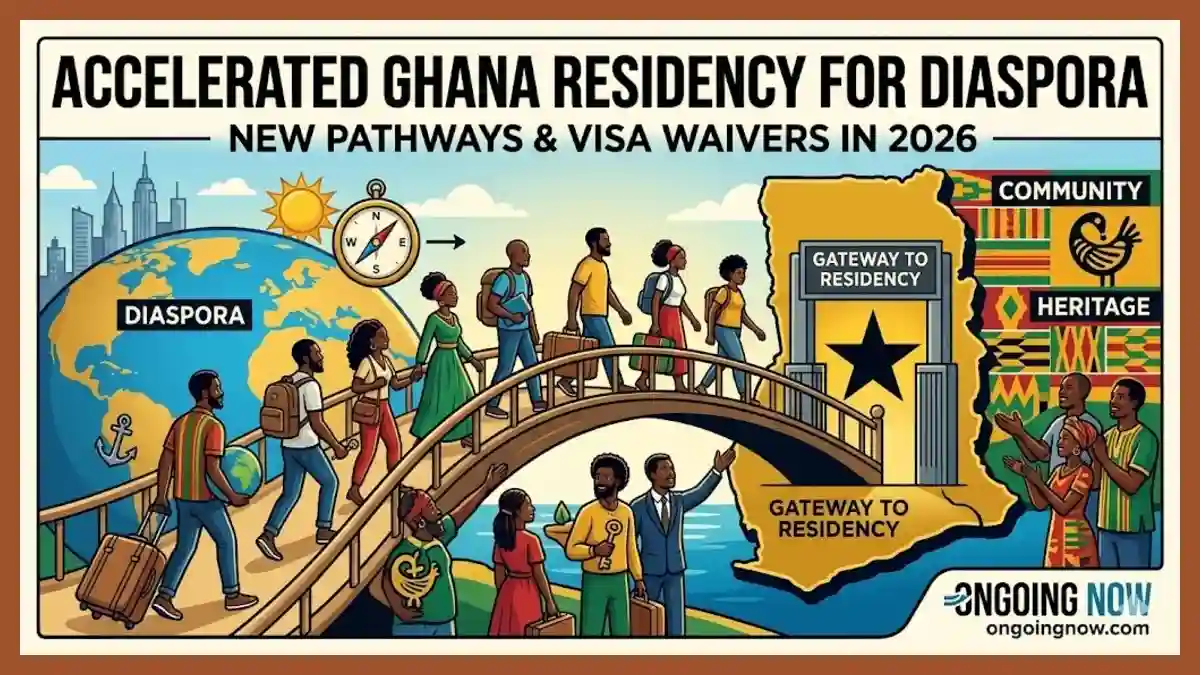
Ghana’s national identity as a hub for Pan-Africanism is undergoing a significant transition in 2026, characterized by formalized pathways for the African diaspora and a renewed focus on regional connectivity. As the government continues to refine its “Year of Return” legacy, current policies—including updated citizenship application frameworks and visa-fee waivers—are central to the country’s strategic goal of fostering long-term investment and cultural reintegration. For international travelers and prospective residents, these developments offer a more structured, albeit complex, environment for engaging with the nation’s heritage and economic potential. Understanding the current legal and social landscape is essential for those navigating travel or investment within the Republic of Ghana this year.
Formalizing Diaspora Ties Through Citizenship and Residency
The 2026 calendar marked a pivotal moment for diaspora engagement with the official launch of the citizenship drive for the “Historic Diaspora Community.” Managed by the Ministry of the Interior and the Diaspora Affairs Office at the Office of the President, this initiative seeks to provide formal legal status to descendants of the transatlantic slave trade who can demonstrate strong ties to Ghana. As of early 2026, the process requires applicants to hold a two-year residence permit, provide documentation of ancestry, and undergo a vetting process at the W.E.B. Du Bois Centre in Accra.
While citizenship represents the most permanent form of belonging, the government acknowledges that not all applicants will immediately meet the stringent residency requirements. Consequently, officials encourage individuals to explore “Right of Abode” or permanent residency pathways as viable alternatives. These status options allow members of the diaspora to reside and work in Ghana indefinitely without the need for periodic permit renewals, effectively bridging the gap for those transitioning between temporary visits and long-term settlement.
Navigating Entry Requirements for African and Global Travelers
A landmark policy change effective May 25, 2026, has significantly altered the accessibility of the country for visitors across the continent. In a move announced by President John Dramani Mahama, Ghana implemented a free-visa policy for all African nationals, aiming to remove economic barriers and facilitate the integration agenda championed by Osagyefo Dr. Kwame Nkrumah. This development is expected to streamline travel for entrepreneurs and cultural explorers alike, reinforcing Ghana’s position as a primary gateway for Pan-African connectivity.
For non-African travelers, including those from the United States and the Caribbean, standard visa and e-visa regulations remain in effect. It is recommended that travelers verify their specific visa status through the official e-services portal at e-services.mint.gov.gh well in advance of their departure. The following table summarizes key access pathways for different categories of visitors in 2026:
| Traveler Category | Access Status (2026) | Primary Requirement |
| African Nationals | Visa Fee Waiver | E-visa (Effective May 25) |
| Diaspora (Citizenship Path) | Vetting Required | 2-Year Residency Permit |
| US/Caribbean Tourists | Standard | Valid Passport & Visa/E-Visa |
| Investors | Varies | Business Registration/GIPC |
Strategic Investment and the Real Estate Landscape
Beyond cultural tourism, Ghana is increasingly prioritizing diaspora investment as a critical engine for economic growth. The Ghana Investment Promotion Centre (GIPC) is currently working to strengthen data collection on diaspora-led businesses to better target engagement strategies. However, market observers emphasize that the “quick wealth” narrative often associated with emerging markets does not apply to the local business environment. Success in sectors such as agribusiness, boutique hospitality, and technology often requires a long-term horizon and diligent local partnerships.
Land acquisition remains a focal point for many diaspora investors, yet it is also an area of significant risk. Legal experts and established business networks consistently advise against rushed transactions. Property deals must involve rigorous title searches, engagement with reputable legal counsel, and verification of building permits. As noted by industry observers, “Ghana rewards smart, structured investors—not rushed decisions.” Building local credibility through community involvement and transparent partnerships remains the most reliable strategy for sustainable growth.
Cultural Preservation and the Historical Narrative
Accra continues to serve as the primary emotional and logistical center for the African diaspora, particularly during periods of historical commemoration. The significance of sites like the Cape Coast Castle and Elmina Castle—both UNESCO World Heritage Sites—cannot be overstated. These locations provide an essential, albeit emotionally intense, historical grounding for visitors. In recent years, the national narrative has shifted from purely commemorative events to an integrated approach that seeks to preserve this history while fostering modern cultural development.
Tourism professionals highlight the importance of approaching these sites with an understanding of their historical weight. “To travel Ghana is to encounter a country that holds its history without flinching and its culture with immense pride,” notes a recent cultural report by Penguin Travel. Travelers are encouraged to utilize resources like the National Museum of Ghana to obtain foundational knowledge before engaging with more specialized historical sites across the country.
Analysis: The Human and Social Impact of Diaspora Return
The influx of diaspora members into the Ghanaian social and economic fabric is not without its complexities. While the government views this movement as a “reconnection,” local communities are simultaneously adjusting to the demographic and cultural shifts that accompany long-term residency. Issues such as the rising cost of living in popular urban centers and the demand for refined infrastructure have initiated a broader conversation about tourism sustainability.
Analysts observe that the most successful integration occurs when diaspora members focus on collaborative projects that provide tangible value to the host community—such as job creation or skills transfer—rather than viewing the country solely as an investment destination. As the citizenship and residency programs evolve, the long-term impact on local development will be measured by the ability of both the state and the returning diaspora to align their expectations and contribute to a shared vision of national progress.
Practical Guidance for Informed Exploration
For those planning travel or extended stays in 2026, the emphasis should be on preparation and due diligence. Whether the objective is cultural immersion during events like Juneteenth or professional engagement, the following principles remain paramount:
Verification: Always consult official government portals for the latest updates on immigration and visa policies.
Professional Support: Engage local legal and business advisors for all significant investments or property inquiries.
Patience: Recognize that institutional processes, particularly citizenship and residency vetting, are subject to change and administrative shifts.
Community Integration: Prioritize building long-term relationships over short-term outcomes to ensure sustainable engagement with the local culture.
Ghana remains one of the most stable and visitor-friendly destinations on the continent. By maintaining an informed and respectful approach, travelers and residents can better navigate the complexities of this evolving landscape while contributing to the ongoing dialogue of Pan-African integration.
Stay sharp with Ongoing Now!
Source and Data Limitations: This report is based on information verified as of June 2026, drawing from official statements by the Ministry of the Interior, the Republic of Ghana Presidency, and established academic and investment reports (e.g., The International Growth Centre, GIPC). Please note that citizenship application processes and visa policies are subject to administrative adjustments; prospective applicants are strongly urged to cross-reference data with the official Ghana e-services portal. Tourism and historical data are provided for informational purposes, with references to UNESCO World Heritage sites reflecting current international designations. No unverified “secret spots” or speculative investment promises have been included; all investment guidance reflects the consensus of professional advisory networks. Updates regarding the May 2026 free-visa rollout for African nationals were sourced directly from the Presidency of the Republic of Ghana.