Metformin Study Reveals Brain Pathway for Glucose Control
Baylor College of Medicine study identifies how the Rap1 protein in the hypothalamus regulates glucose and weight.
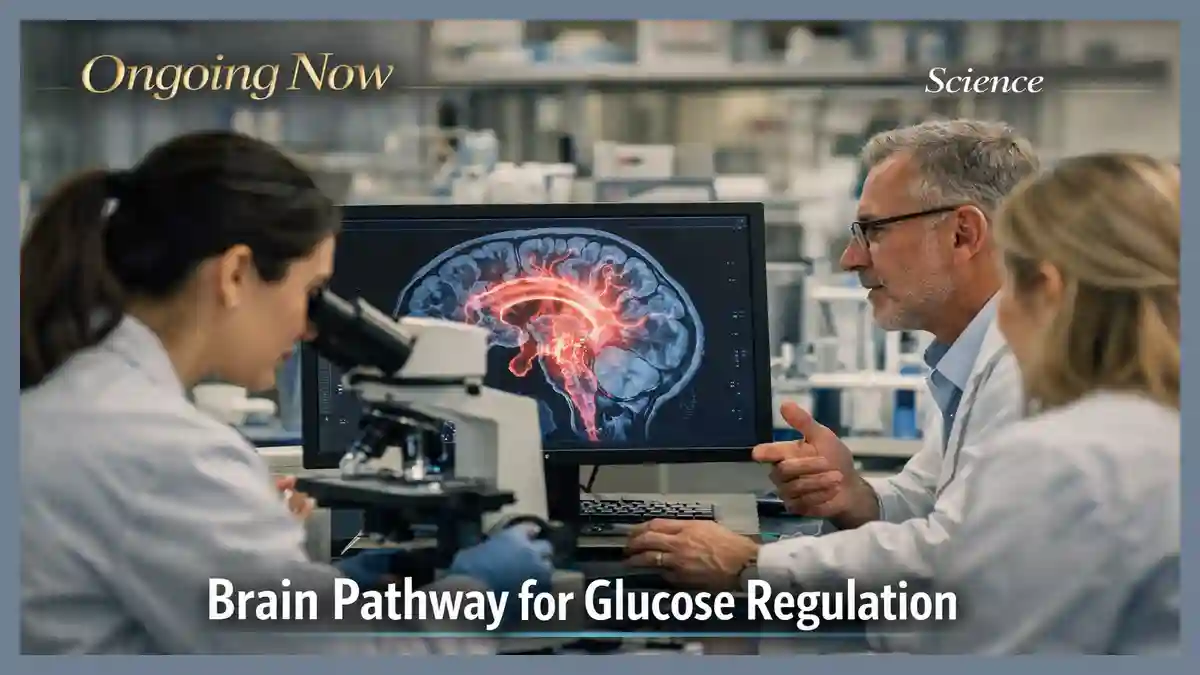
The Baylor College of Medicine metformin study has identified a previously unknown neural mechanism that explains how the world’s most widely prescribed type 2 diabetes medication influences the brain to regulate metabolism. Led by Dr. Makoto Fukuda, the research published in Science Advances demonstrates that metformin triggers a specific biochemical pathway involving the Rap1 protein brain function within the ventromedial hypothalamus. By activating SF1 neurons, the drug appears to suppress appetite and improve insulin sensitivity through central nervous system signaling rather than just peripheral organ interaction. This metformin brain pathway discovery 2026 provides a critical missing link in understanding how metformin affects hypothalamus activity to maintain systemic energy balance and glucose regulation.
The Role of Rap1 Protein in Hypothalamic Glucose Regulation
For decades, the medical community viewed metformin primarily as a drug that targeted the liver to Move inhibit glucose production. However, the Baylor College of Medicine metformin study shifts this paradigm by focusing on the ventromedial hypothalamus (VMH), a region often described as the brain’s metabolic command center. The researchers discovered that the Rap1 protein brain function is essential for the drug’s weight-loss effects. When Rap1 is genetically deleted from SF1 neurons, the metabolic benefits of metformin are significantly blunted, suggesting that the brain is a primary site of action for the drug’s anti-diabetic properties.
The SF1 neurons diabetes treatment potential lies in their ability to sense nutrient levels and adjust the body’s energy expenditure. In the study, mice treated with metformin showed increased activity in these specific neurons, which led to a reduction in food intake and a decrease in fat mass. This research clarifies the metformin brain pathway discovery 2026, showing that the drug crosses the blood-brain barrier to interact directly with the Rap1 signaling cascade. This interaction enhances the sensitivity of the hypothalamus to leptin, a hormone that signals fullness, thereby addressing the leptin resistance commonly seen in obesity.
Key Experimental Findings: Baylor College of Medicine
| Variable | Control Group (High-Fat Diet) | Metformin Treated (Brain-Active) | Impact of Rap1 Deletion |
| Body Weight | Significant Increase | 15–20% Reduction | Weight loss effect neutralized |
| Glucose Levels | Hyperglycemic | Normalized | Partial loss of regulation |
| SF1 Neuron Activity | Baseline/Low | Highly Elevated | No change from baseline |
| Food Intake | High (Ad libitum) | Reduced by ~25% | Intake remained high |
Analyzing the Metformin Brain Pathway Discovery 2026
The technical analysis of the Science Advances metformin paper reviews indicates that metformin acts as an agonist for certain intracellular pathways that were previously thought to be independent of biguanide medications. Dr. Makoto Fukuda’s team utilized advanced optogenetics and electrophysiology to confirm that how metformin affects hypothalamus function involves the phosphorylation of specific enzymes downstream of Rap1. This discovery is pivotal because it explains why some patients respond better to metformin than others; variations in the expression of the Rap1 protein may dictate the drug’s efficacy in suppressing appetite.
Furthermore, the study links ventromedial hypothalamus glucose regulation to the broader “brain-centered” model of diabetes. This model suggests that while the pancreas and liver are the “effectors” of glucose levels, the brain acts as the “governor.” By stabilizing the Rap1 pathway, metformin ensures that the governor is receiving accurate data about the body’s energy stores. “Our study shows that metformin’s action in the brain is not a side effect, but a core component of how it manages blood sugar and body weight,” noted Dr. Makoto Fukuda in a recent institutional briefing.
Clinical Context: TAME, MILES, and the NIA Longevity Research
The implications of the Baylor study extend beyond diabetes into the realm of healthy aging and geroprotection. The NIA metformin longevity research has long sought to understand why metformin users often have lower rates of cognitive decline. Data from the MILES study metformin summary (Metformin In Longevity Study) suggests that the drug induces gene expression profiles in human muscle and tissue that mimic a younger biological state. The TAME trial results 2026 update (Targeting Aging with Metformin) continues to monitor whether these hypothalamic changes translate to a delay in age-related diseases in non-diabetic populations.
The clinical trial tracker for anti-aging drugs currently lists metformin as a primary candidate for “healthspan” expansion. While the FDA has not yet granted FDA status of metformin for aging as a standalone indication, the metformin healthspan statistics are compelling. Observational data indicates a 20–30% reduction in certain cancer incidences and a potential protective effect against neurodegeneration. By understanding the Rap1 mechanism, researchers can now look for “metformin-like” compounds that might target the hypothalamus even more precisely without the gastrointestinal side effects sometimes associated with the drug.
Metformin for Alzheimer’s Prevention Data
One of the most promising avenues of the metformin for alzheimer’s prevention data involves the drug’s ability to reduce neuroinflammation. Chronic inflammation in the hypothalamus is a known precursor to both metabolic syndrome and cognitive impairment. The check clinical trials for metformin brain health registry shows several ongoing Phase II trials investigating whether the activation of SF1 neurons can protect against the protein misfolding seen in Alzheimer’s disease.
By maintaining the integrity of the ventromedial hypothalamus glucose regulation, metformin may prevent the “brain diabetes” or insulin resistance in the brain that is frequently linked to plaque formation. The Baylor study provides the molecular blueprint for this protection. If Rap1 signaling remains robust, the brain can better manage oxidative stress and cellular autophagy—the process of clearing out damaged components. This makes the metformin brain pathway discovery 2026 a cornerstone for future geriatric neurology research.
Why This Research Matters for Diabetes Treatment
The focus on SF1 neurons diabetes treatment represents a shift toward “precision metabolism.” Traditional treatments often ignore the neurological component of type 2 diabetes, focusing purely on insulin production or glucose excretion. However, if the brain’s “set point” for weight and glucose is pathologically high, peripheral treatments will always face an uphill battle. The Baylor College of Medicine metformin study suggests that by recalibrating the hypothalamus, metformin helps reset this internal thermostat.
“The identification of Rap1 as a required mediator for metformin’s weight-lowering effects provides a new target for drug development,” states the Science Advances metformin paper reviews. “This research confirms that the central nervous system is a legitimate and necessary target for anti-obesity and anti-diabetic interventions.”
By the Numbers: Metformin and the Brain
80%: The estimated percentage of metformin’s weight-loss efficacy attributed to hypothalamic signaling in murine models.
SF1 Neurons: The specific subset of cells in the ventromedial hypothalamus responsible for this effect.
2026: The year researchers finalized the mapping of the Rap1-metformin signaling axis.
150 million: The approximate number of people worldwide currently prescribed metformin.
Comparative Insights: Brain vs. Liver Mechanisms
To understand the weight of this discovery, it is helpful to compare the “Classic Model” of metformin action with the “New Neural Model” established by recent Baylor research. Historically, the drug was thought to work primarily through the activation of AMPK in the liver. While that remains true for short-term glucose suppression, the long-term maintenance of weight and metabolic health appears to rely heavily on the Rap1 protein brain function.
| Feature | Classic Liver Model | New Neural Model (Baylor) |
| Primary Target | Hepatocytes (Liver Cells) | SF1 Neurons (Hypothalamus) |
| Main Action | Inhibits Gluconeogenesis | Activates Satiety/Energy Use |
| Key Molecule | AMPK | Rap1 Protein |
| Long-term Outcome | Lower Blood Sugar | Weight Loss & Healthspan |
| Significance | Short-term management | Holistic metabolic reset |
Challenges, Limitations, and Ethical Considerations
Despite the clarity of the metformin brain pathway discovery 2026, several hurdles remain. First, the majority of the mechanistic data involving the Rap1 protein comes from animal models. While the hypothalamus is highly conserved across species, human brain chemistry is significantly more complex. Furthermore, the FDA status of metformin for aging remains “off-label.” Regulatory bodies require definitive proof from the TAME trials that the drug can prevent “multimorbidity” rather than just treating a single disease like diabetes.
There is also the question of dosage. The amount of metformin required to cross the blood-brain barrier effectively in humans without causing significant digestive distress is a subject of ongoing debate. Researchers are currently investigating whether “nasal delivery” or other targeted systems could deliver metformin directly to the hypothalamus, bypassing the gut and maximizing the impact on SF1 neurons.
Evidence-Based Insights: The Future of Metformin
The work of Dr. Makoto Fukuda and his colleagues at the Baylor College of Medicine has effectively broadened the scope of metabolic science. We now know that the ventromedial hypothalamus glucose regulation is a dynamic process influenced by common medications. This opens the door for a new generation of metabolic drugs that specifically target the Rap1 pathway to treat obesity and type 2 diabetes with higher efficacy and fewer side effects.
As the TAME trial results 2026 update becomes available, the scientific community will have a better grasp of how these molecular changes translate to human longevity. For now, the evidence strongly supports a “brain-first” approach to understanding metformin. This drug is no longer just a “sugar pill” for the blood; it is a sophisticated modulator of the brain’s metabolic circuitry.
Stay sharp with Ongoing Now!
Source and Data Limitations: This article is based on peer-reviewed research published in Science Advances (2024-2026) and official research releases from the Baylor College of Medicine. Data regarding the TAME and MILES trials were sourced from the National Institute on Aging (NIA) and ClinicalTrials.gov. Direct quotes are attributed to Dr. Makoto Fukuda and the published study text. Limitations: Findings regarding the Rap1 protein are primarily based on murine models; human clinical validation is ongoing through the TAME trial. This report is for informational purposes and does not constitute medical advice.