Al Green SOTU 2026 disruption reveals deep House divide
Texas Congressman removed from House floor after holding sign referencing racial imagery in Trump video

Texas Representative Al Green was escorted out of the House chamber on February 24, 2026, within minutes of the start of President Donald Trump’s State of the Union address. The veteran Democratic lawmaker was removed by security after holding up a handwritten protest sign that read “Black people aren’t apes!” in a direct response to a controversial Trump Truth Social video shared earlier this month. The SOTU 2026 disruption marked the second consecutive year that Green was ejected from a joint session of Congress, highlighting an escalating friction between institutional decorum and personal protest. While the House of Representatives removal protocol was swiftly enacted by the Sergeant at Arms, the incident has renewed national discourse regarding racial imagery in politics and the boundaries of expression within the halls of government.
The Origin of the SOTU 2026 Disruption
The confrontation began almost immediately as President Trump approached the rostrum to deliver his 108-minute address, the longest in recent history. As the President began his remarks, Representative Al Green rose from his seat in the ninth row and held his sign aloft, refusing initial requests from staff to lower it. The Al Green protest sign directly referenced a minute-long video posted to the President’s Truth Social account in early February, which depicted former President Barack Obama and former First Lady Michelle Obama with their faces superimposed onto the bodies of primates.
Though the White House subsequently deleted the post and the President claimed he had not seen the offensive conclusion of the clip—blaming a staff member for the “error”—the imagery sparked intense bipartisan backlash. Green, who has long been a vocal critic of the administration, stated that his protest was a necessary confrontation of racism. “I wanted the President to see it, and he saw it,” Green told reporters following his ejection. “I told him Black people are not apes.”
House of Representatives Removal Protocol and Decorum
The 2026 SOTU ejection video, which quickly circulated across social media platforms, shows several Republican members attempting to intervene before security arrived. House Majority Leader Steve Scalise was seen attempting to block the sign from television cameras, while Senators Markwayne Mullin and Roger Marshall stood in front of Green to shield the President’s view. When Green continued to hold his ground, security officials followed established House of Representatives removal protocol for disorderly behavior.
Under House rules, the Speaker has the authority to maintain order and decorum. While Members of Congress possess broad free speech protections, the House traditionally prohibits the use of exhibits or signs on the floor during formal proceedings. Because Green’s actions were deemed a violation of these standing rules, the Sergeant at Arms was directed to escort him from the floor.
Analytical Perspectives: Institutional vs. Individual Rights
| Category | Institutional View | Individual Representative View |
| Primary Goal | Maintaining the “dignity of the House” and ensuring uninterrupted constitutional processes. | Using the platform of a joint session to highlight perceived moral or civil rights violations. |
| Legal Basis | Article I, Section 5: “Each House may determine the Rules of its proceedings.” | First Amendment protections and the “speech or debate” clause (though limited on the floor). |
| Consequences | Ejection from the chamber; potential for formal censure or ethics investigations. | Visibility of the message; direct engagement with the Executive branch. |
| 2026 Status | Stricter enforcement following 2025 interruptions and recent “One Big Beautiful Act” tensions. | Increasing use of visual aids and verbal interruptions as a form of “counter-programming.” |
Analysis: The tension between Representative Green and the administration reflects a deeper breakdown in traditional bipartisan decorum. While House leadership from both parties had urged members to avoid disruptions to maintain focus on policy, the presence of racial imagery in digital campaign materials has created a flashpoint that some lawmakers feel justifies breaking traditional protocol.
Historical Context: Al Green vs Trump History
This latest incident is part of a decade-long Al Green vs Trump history characterized by procedural challenges and public rebukes. Green was the first Member of Congress to introduce articles of impeachment against Donald Trump during his first term in 2017. More recently, in December 2025, Green filed H. Res. 939, asserting that the President had abused power and incited threats against federal officials.
The Al Green impeachment history informs his current approach to floor protests. In 2025, he was removed from the chamber for shouting “He has no mandate” during the President’s first address to the new Congress. That incident resulted in a formal censure, yet Green has remained undeterred. In a recent campaign advertisement, he defended his actions, stating, “When I stood up, it wasn’t for attention. It was because some things are worth standing for.”
Public and Societal Impact of Racial Imagery
The use of racial imagery in politics remains one of the most sensitive subjects in American governance. The Trump Truth Social video controversy specifically tapped into historically derogatory tropes used to dehumanize Black Americans. Social scientists note that such imagery is rarely accidental in the modern digital age; it often serves to polarize the electorate or signal to specific ideological bases.
Community Response: Organizations such as the Congressional Black Caucus (CBC) have expressed support for Green’s sentiment while remaining divided on his methods.
Legislative Focus: The incident has detracted from other major policy announcements made during the SOTU, including the “war on fraud” and new executive orders regarding investment firms in the housing market.
Media Dynamics: The speed at which the ejection video went viral underscores the role of social media in amplifying individual protests into national news events.
Policy Implications and Congressional Protocol Changes
In the wake of the 2026 SOTU disruption, there are discussions within the House Rules Committee regarding further tightening Congressional protest guidelines. Some members have suggested that repeated disruptions should lead to a loss of floor privileges for a set period. However, such measures face resistance from those who argue they would stifle the representative nature of the House.
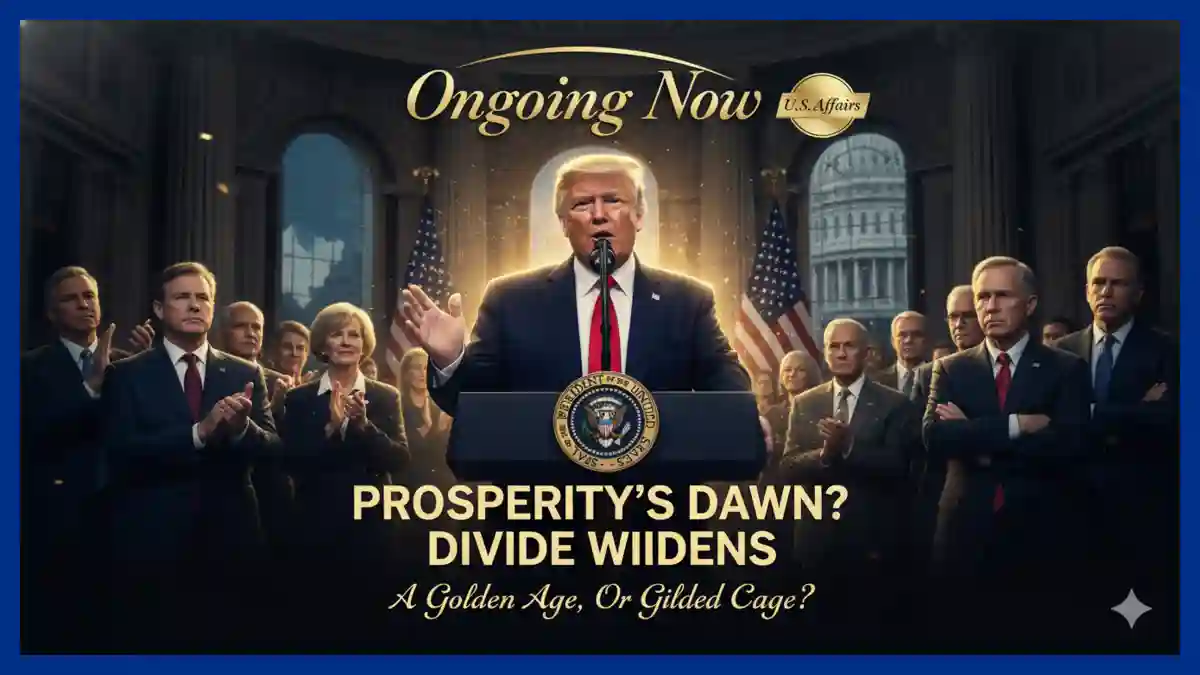
The ongoing friction between the legislative and executive branches was also visible in the President’s speech itself. Trump frequently bypassed the customary “request” for legislation, instead touting his use of unilateral executive orders to implement tariffs—a policy recently challenged by the Supreme Court. The removal of a sitting member during such a speech serves as a visual metaphor for the broader institutional gridlock currently defining Washington.
By the Numbers: Congressional Disruption and Discipline
2: Times Rep. Al Green has been removed from a Trump speech in two years (2025 and 2026).
108: Minutes of the 2026 State of the Union address, making it the longest on record.
21: Total number of members expelled from Congress in U.S. history (mostly for disloyalty during the Civil War).
60+: Members who either boycotted the address or participated in “counter-programming” events.
Evidence-Based Political Insights
As the midterm elections approach, the Texas Congressman incident details suggest that “retail protest” will remain a key strategy for the opposition. For the administration, the ability to pivot from a disruption—as seen when Trump simply said “thank you” to the cheering Republican side after Green’s removal—indicates a strategy of using such moments to consolidate base support.
The incident also highlights the difficulty of maintaining a “neutral” institutional space when social media controversies from the campaign trail bleed into formal constitutional ceremonies. Whether the House Ethics Committee will take further action against Representative Green remains to be seen, but the precedent of immediate removal for visual protest is now firmly established for the 2026 legislative session.
Stay sharp with Ongoing Now!
Source and Data Limitations: This report is based on official House of Representatives records, verified video footage of the February 24, 2026, State of the Union address, and public statements from the Office of Representative Al Green. Data regarding historical expulsions and censures was verified via the Congressional Research Service (CRS). Descriptions of the Truth Social video are based on documented reporting from the first week of February 2026 and subsequent White House press briefings. Excluded from this report are speculative social media rumors regarding the specific security personnel involved or unverified claims regarding private conversations between the Speaker and the President.