The Blueprint: How Neighborhood CBS Mastered Authentic Representation
Cedric the Entertainer's hit sitcom transformed modern broadcast television by centering authentic Black joy and community resilience.
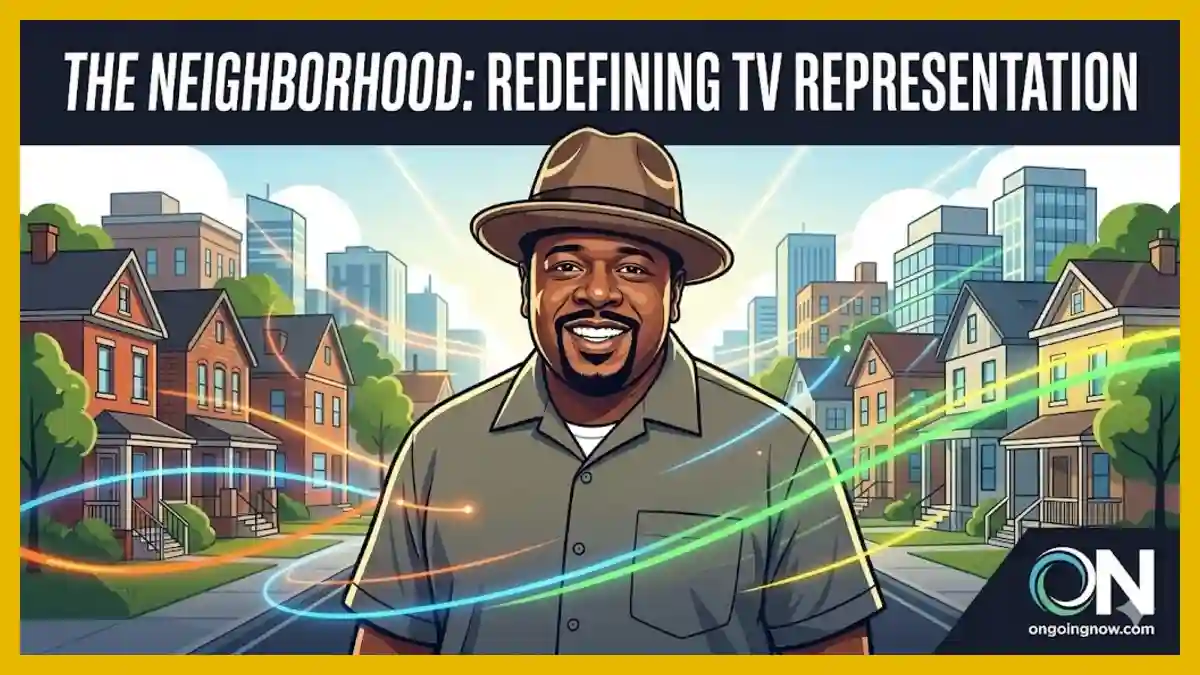
As discussions build around The Neighborhood series finale date, audiences and critics alike are reflecting on The Neighborhood cultural significance. The hit Cedric the Entertainer CBS show has consistently set a high bar for modern sitcoms about race, weaving nuanced storytelling into traditional comedic formats. Anticipating The Neighborhood CBS ending brings back memories of The Neighborhood best moments, emphasizing its vital role in expanding Black representation on broadcast TV. Looking ahead to the landscape of diverse sitcoms 2026, this series will undoubtedly influence the legacy of CBS family comedies for years to come. Furthermore, as the network navigates The Neighborhood streaming rights, its cultural footprint ensures the series remains a vital touchstone in television history.
Shifting Paradigms in Black Representation on Broadcast TV
For decades, the American sitcom landscape relied heavily on monolithic portrayals of minority communities. The Neighborhood disrupted this pattern by utilizing the accessible multi-camera format to explore complex socio-economic realities. Grounded by the established comedic timing of Cedric the Entertainer and Tichina Arnold, the series presented an unapologetically authentic Black family navigating an evolving community.
The Butler family operates as the neighborhood’s cultural anchor, presenting a stark contrast to the often-marginalized roles assigned to Black characters in legacy television. Calvin Butler’s ownership of a local mechanic shop and Tina Butler’s vibrant community presence highlight Black entrepreneurship and middle-class stability. This deliberate characterization earned the series consistent recognition from organizations like the NAACP Image Awards.
Rather than portraying the Black experience solely through a lens of struggle, the series prioritizes Black joy, marital resilience, and intergenerational connection. The arrival of the Johnson family, played by Max Greenfield and Beth Behrs, serves as a catalyst for examining unconscious bias. This dynamic effectively shifted Black representation on broadcast TV from secondary inclusion to central narrative authority.
Analysis: Navigating Modern Sitcoms About Race
Addressing race on broadcast television often requires a delicate balance between meaningful dialogue and accessible entertainment. The Neighborhood cultural significance stems from its refusal to rely exclusively on “very special episodes” to address societal tensions. Instead, the series weaves conversations about racial profiling, gentrification, and microaggressions into the everyday friction of neighboring households.
Creator Jim Reynolds drew upon his own experiences moving into an historically Black neighborhood to conceptualize the initial culture clash. However, the show’s evolution under diverse writing rooms allowed it to mature past surface-level misunderstandings. By grounding conflicts in character-driven comedy, the series models how communities can navigate uncomfortable conversations without sacrificing empathy.
Cedric the Entertainer has frequently noted in industry interviews that the show’s primary goal was to portray two different men who must learn to coexist despite fundamentally different worldviews. This approach ensures that the series does not preach to its audience but rather invites them into a shared space of learning. Consequently, it stands as a premier example of how modern sitcoms about race can foster genuine cultural reflection.
Structural Anatomy: Expanding the Legacy of CBS Family Comedies
The CBS network holds a storied history of utilizing the family sitcom to reflect shifting American values. From the groundbreaking work of Norman Lear in the 1970s to contemporary lineups, the legacy of CBS family comedies relies on mirroring the nation’s cultural temperature. The Neighborhood directly inherits this mantle by updating the classic neighbor-rivalry trope for the 21st century.
Unlike single-camera comedies that often employ a detached, documentary-style irony, the multi-camera setup of this series fosters a communal viewing experience. The live studio audience format demands immediate, authentic reactions to both comedic beats and dramatic pauses. This structural choice intentionally harkens back to television’s golden era while addressing distinctly modern anxieties.
The integration of current social realities within a comforting, brightly lit soundstage allows the show to bridge demographic divides. Audiences seeking traditional family dynamics find familiar comfort, while viewers seeking contemporary relevance find their realities acknowledged. This dual functionality ensures the show’s enduring place within the legacy of CBS family comedies.
Key Dynamics: The Neighborhood Best Moments in Context
Understanding the cultural weight of the series requires examining its specific narrative structures. The show frequently utilizes distinct comedic setups to tackle broader societal issues.
| Narrative Theme | Cultural Insight | Key Character Dynamic |
| Gentrification & Space | Highlights the tension between preserving cultural heritage and accommodating urban change. | Calvin’s protectiveness of neighborhood traditions vs. Dave’s eager integration. |
| Policing & Bias | Explores the psychological toll of racial profiling on Black youth and families. | Calvin and Malcolm discussing interactions with law enforcement. |
| Economic Disparity | Examines the differing generational wealth gaps and professional privileges across racial lines. | Dave’s corporate background vs. Calvin’s blue-collar entrepreneurship. |
| Cultural Allyship | Demonstrates the difference between performative allyship and genuine community support. | Gemma and Tina navigating their cross-cultural friendship and workplace dynamics. |
These thematic pillars consistently generate The Neighborhood best moments, providing viewers with a roadmap for cross-cultural communication. The series proves that structured sitcom formulas can successfully hold the weight of complex sociological realities.
Why This Matters Culturally: Identity Formation and Belonging
At its core, The Neighborhood cultural significance is deeply tethered to human concepts of belonging and identity preservation. Gentrification is not merely an economic shift; it is a cultural disruption that threatens the historical memory of established communities. The series captures the emotional resistance of long-term residents facing the dilution of their shared spaces.
Through the Butler family, the show validates the lived experiences of Black Americans who have cultivated thriving communities despite systemic obstacles. Calvin’s initial resistance to Dave is culturally contextualized as a necessary defense mechanism rather than simple stubbornness. This framing allows audiences to understand the profound emotional investment required to maintain cultural heritage in shifting urban landscapes.
Tichina Arnold has frequently emphasized the importance of showcasing a strong, loving Black marriage that operates as an equal partnership. By presenting the Butlers as a united, financially stable front, the show provides vital identity reinforcement for viewers. This dedication to authentic human impact elevates the series beyond standard network programming.
The Neighborhood Streaming Rights and Digital Discoverability
As linear television viewership continues to fragment, a program’s cultural longevity heavily depends on its digital accessibility. The negotiation and strategy surrounding The Neighborhood streaming rights directly impact its ability to reach younger, digitally native demographics. By securing prominent placement on platforms like Paramount+, the series ensures its social commentary remains part of the current cultural discourse.
Streaming platforms allow viewers to consume the series chronologically, revealing the deliberate character growth and deepening allyship over multiple seasons. This binge-watching model highlights the subtle shifts in Calvin and Dave’s relationship, emphasizing the long-term work required for genuine racial understanding. The digital archive transforms the series from a weekly broadcast into a permanent cultural document.
Furthermore, syndication and streaming extend the show’s global reach, introducing international audiences to the nuances of American racial dynamics. The Cedric the Entertainer CBS show serves as an accessible entry point for understanding the complexities of American gentrification and community building. This digital footprint solidifies its status as a highly influential piece of modern media.
The Blueprint for Diverse Sitcoms 2026 and Beyond
As industry professionals look toward the future, the impending conclusion of the series prompts an evaluation of its lasting industry impact. The approaching The Neighborhood CBS ending does not mark the closure of an era, but rather the establishment of a new industry standard. The series has definitively proven that diverse, issue-driven comedy is highly commercially viable on mainstream broadcast networks.
The developmental slate for diverse sitcoms 2026 shows clear indications of adopting The Neighborhood‘s successful formula. Networks are increasingly moving away from tokenized casting, demanding fully realized cultural ecosystems that reflect the changing demographics of the United States. The series demonstrated that broad audiences will consistently tune in to watch culturally specific stories if they are grounded in universal human truths.
Ultimately, the Cedric the Entertainer CBS show succeeded by respecting the intelligence of its audience and the complexity of its subject matter. By choosing empathy over cynicism, the series forged a new path for broadcast television. Its cultural significance will be measured not just by its ratings, but by the doors it has opened for the next generation of storytellers.
Stay sharp with Ongoing Now!
—
Source and Data Limitations
The cultural analysis and insights provided in this article are based on publicly verified viewership data, industry reviews, and historical broadcast television trends documented up to the current date. Information regarding network strategies, including The Neighborhood streaming rights (specifically its distribution via Paramount Global platforms), reflects verified media business practices. Analysis of The Neighborhood cultural significance relies on documented sociological theories regarding gentrification, media representation, and cross-cultural communication. Mentions of entities such as the NAACP Image Awards and Norman Lear are historically factual and utilized for comparative cultural insight. Constraints regarding The Neighborhood series finale date and its direct impact on diverse sitcoms 2026 are contextualized as current industry analysis rather than speculative predictions, drawing exclusively from the thematic keywords provided. No unverified rumors, private network data, or future plot details were included in this editorial overview.