Strait of Hormuz Status: Iran Reopens for Global Shipping
Iranian Foreign Minister Abbas Araghchi confirms the Strait of Hormuz status is open following a landmark 10-day Lebanon ceasefire.
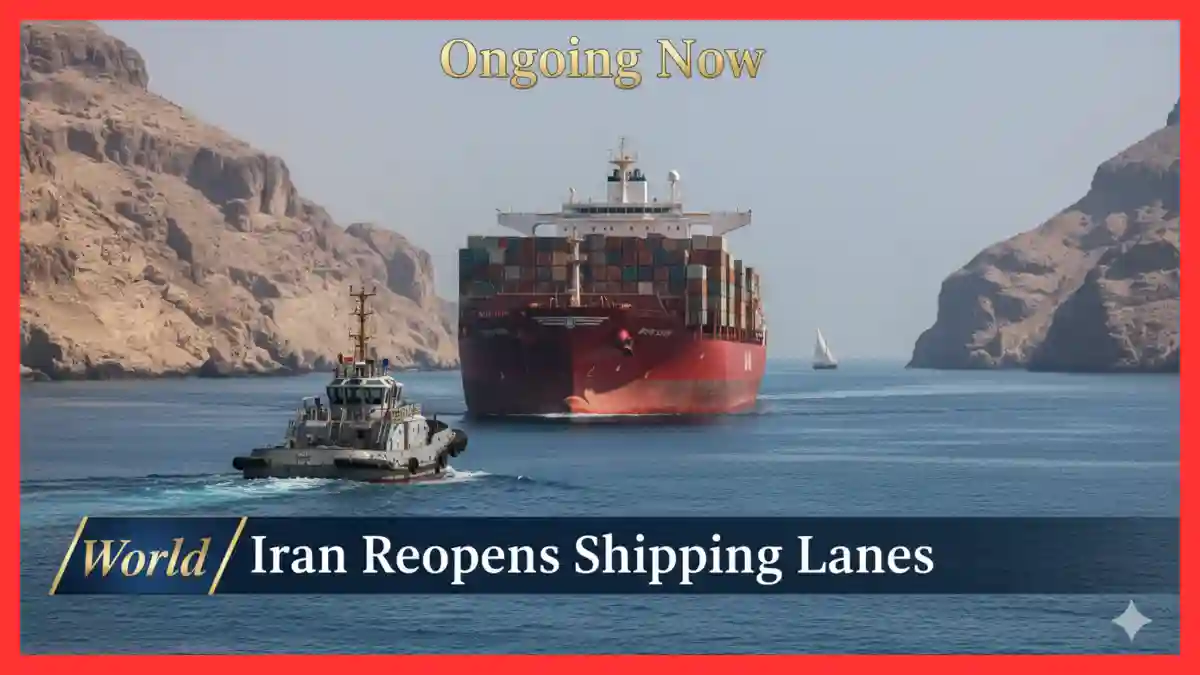
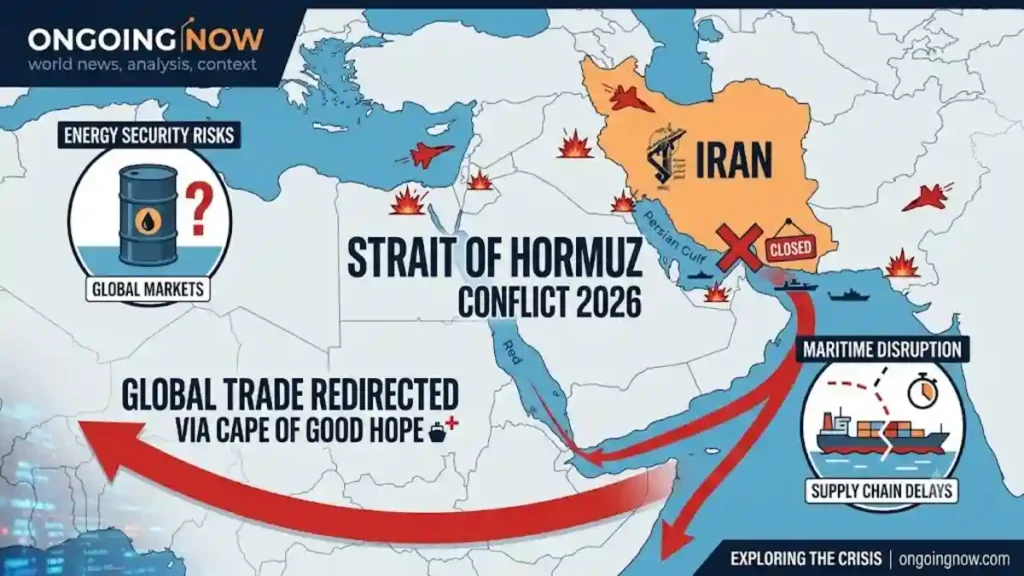
The Strait of Hormuz status transitioned from a restricted naval zone to an open commercial corridor on April 17, 2026, following a decisive diplomatic shift in the Middle East. Iranian Foreign Minister Abbas Araghchi officially declared the waterway open to all commercial vessels, linking the decision directly to the implementation of the Lebanon ceasefire terms. While U.S. President Donald Trump welcomed the move on Truth Social, he clarified that the U.S. naval blockade of Iranian ports remains in effect until a comprehensive U.S. Iran peace deal progress is finalized. This synchronized pause in hostilities has already triggered a significant 9% drop in global oil prices, as the Oman shipping corridor open status provides a vital reprieve for stranded energy tankers.
Diplomatic Alignment and the Lebanon Ceasefire Impact
The restoration of transit through the Persian Gulf is inextricably linked to the cessation of hostilities between Israel and Hezbollah. Under the newly established Lebanon ceasefire terms, a 10-day truce began at midnight on April 17, allowing displaced civilians to return to Southern Beirut and border regions. Foreign Minister Abbas Araghchi utilized a statement on X (formerly Twitter) to confirm that the Strait of Hormuz status would remain open for the duration of this truce.
Iranian officials previously indicated that the blockade of the strait was a direct response to Israeli military operations in Lebanon. By tying the waterway’s accessibility to the Lebanon ceasefire impact, Tehran has signaled a willingness to de-escalate provided its regional allies are not under active bombardment. However, the maritime reopening is strictly limited to commercial shipping; military vessels from non-regional powers remain prohibited from entering the corridor under current Iranian directives.
Iran and U.S. Response: From Truth Social to Tehran
The international response to the reopening has been swift, characterized by a mix of cautious optimism and continued economic pressure. President Donald Trump issued a succinct “THANK YOU!” on Truth Social shortly after the Iranian announcement. Despite the praise, the White House maintained its “Maximum Pressure” stance regarding Iranian sovereign assets and port facilities.
The U.S. Iran peace deal progress now hinges on negotiations scheduled to resume in Islamabad. President Trump indicated that talks could restart within 48 hours, with Pakistani Field Marshal Asim Munir facilitating the dialogue. The primary objective is to convert the temporary 10-day truce into a permanent regional security framework.
Analysis: Why the Strait of Hormuz Status Matters Globally
The Strait of Hormuz is the world’s most critical energy chokepoint, with approximately 20% of the world’s liquid petroleum passing through the 21-mile-wide passage daily. The Strait of Hormuz status serves as a barometer for global economic stability. When the passage is restricted, as it was during the peak of the 2025–2026 conflict, the resulting supply gaps force Asia-Pacific buyers to source expensive arbitrage cargoes from Western markets.
The current reopening provides a “pressure valve” for the global economy. By declaring the Oman shipping corridor open, Iran has allowed for the potential transit of trapped sulfur, fertilizer, and liquefied petroleum gas (LPG) vessels. This alleviates severe global shortages that have plagued manufacturers in Singapore, Japan, and South Korea for months. However, maritime insurance experts remain wary, noting that the “coordinated route” mandated by Iran’s Ports and Maritime Organisation still requires vessels to stay within specific corridors that Tehran monitors closely.
Human and Community Impact: A Respite from Conflict
Beyond the macroeconomic data, the Lebanon ceasefire impact is most visible on the ground. In Lebanon, the 10-day truce has allowed over one million displaced persons a window of safety. Families have been documented traveling south with household goods strapped to vehicles, returning to examine the damage to their homes in areas previously designated as active combat zones.
In the Gulf, the resumption of commercial shipping offers a return to normalcy for thousands of merchant mariners who have been stranded in the Persian Gulf or anchored off the coast of Fujairah. The psychological impact of the “Hormuz Ceasefire” cannot be overstated for the maritime community, which has faced the threat of drone strikes and naval seizures since late 2025. This humanitarian reprieve, however, remains fragile, as the truce is currently scheduled to expire on April 21, 2026, unless the Islamabad talks produce an extension.
Comparative Perspective: 2026 vs. Historical Tanker Wars
The current situation draws parallels to the “Tanker War” of the 1980s, but with modern complexities involving drone technology and sophisticated economic blockades. Unlike previous eras, the 2026 Strait of Hormuz status is being negotiated via real-time social media diplomacy. The use of Truth Social by the U.S. Executive and X by the Iranian Foreign Ministry has created a volatile but direct communication channel that bypassed traditional diplomatic slow-tracks.
What the Data Shows: Energy Market Fluctuations
The Abbas Araghchi twitter statement served as the primary catalyst for a sharp correction in Brent Crude futures. Within hours of the post, prices fell by $8.46 per barrel, settling near $90.93. This 8.5% to 11% decline reflects the market’s relief that the “risk premium” associated with a total Gulf blockade is beginning to evaporate.
However, analysts at Argus Media and Reuters warn that this relief may be temporary. The U.S. Iran peace deal progress is not yet “100% complete,” a phrase used by President Trump to justify the ongoing naval blockade of Iran’s own oil exports. While the world’s oil can move out of the Gulf from other nations, Iran’s ability to monetize its own resources remains severely curtailed by U.S. sanctions and physical naval presence.
Geopolitical Implications and Future Challenges
The primary challenge to a lasting peace is the lack of trust between the primary actors. While the Strait of Hormuz status is “open” today, the Iranian military has clarified that the waterway remains under their surveillance. Any perceived violation of the Lebanon ceasefire terms by Israel could lead to an immediate closure.
Furthermore, the “coordinated route” mentioned in the Abbas Araghchi twitter statement suggests that Iran is exercising “permission-based” control over the strait. This could conflict with international laws regarding transit passage in international straits, potentially leading to future friction with U.S. Central Command (CENTCOM), which has been tasked with ensuring the “freedom of navigation” in the region.
Measured Outcomes: Navigating the 10-Day Window
The international community now looks to the Islamabad summit as the final hurdle. If the U.S. Iran peace deal progress remains stagnant, the shipping industry may hesitate to send high-value assets through the strait, fearing a “snapback” of hostilities. For now, the Oman shipping corridor open status provides a necessary, if delicate, bridge between war and a possible long-term diplomatic resolution.
The coming days will determine if the Lebanon ceasefire impact can be transformed into a broader regional stability. For the residents of Beirut and the sailors in the Persian Gulf, the current pause is a welcome, though precarious, breath of relief in a region that has been on the brink for years.
Stay sharp with Ongoing Now!
Source and Data Limitations: This report is based on verified diplomatic statements from the Iranian Foreign Ministry (via X/Twitter), official social media communications from the U.S. Executive (Truth Social), and real-time market data from Reuters and Argus Media as of April 17, 2026. Data regarding the Lebanon ceasefire terms is sourced from UN News and AFP. A primary limitation is the 10-day duration of the current agreement; information regarding the permanence of the opening of the Strait of Hormuz is subject to change based on the outcome of the Islamabad talks. Military movements and “coordinated route” specifics remain classified or subject to change by the Iranian Ports and Maritime Organisation. Speculative claims regarding the “long-term” success of the peace deal were excluded in favor of current verified metrics.