Naval Conflict in Indian Ocean: IRIS Dena Sinks off Sri Lanka
A major maritime incident in international waters has left over 100 sailors missing and triggered a large-scale rescue operation near Galle.
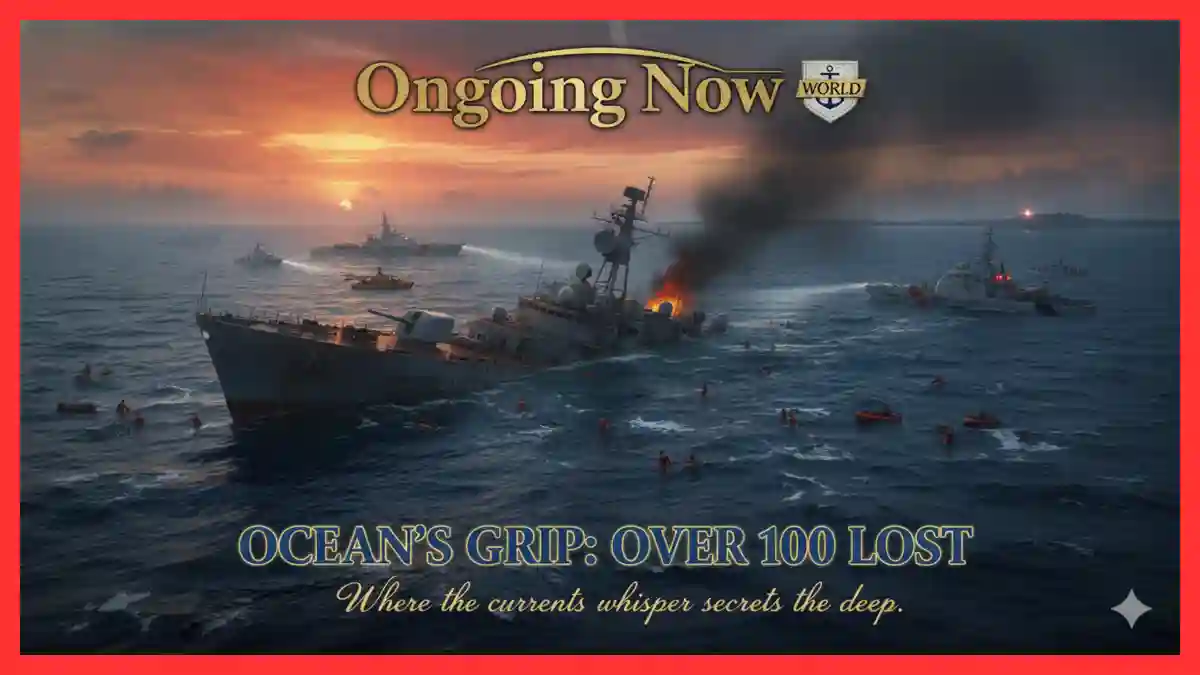
The sinking of the Iranian frigate IRIS Dena in the Indian Ocean on Wednesday has introduced a significant escalation in regional maritime security. The Moudge-class vessel, carrying approximately 180 crew members, went down roughly 40 nautical miles south of the Sri Lankan port city of Galle. While the Sri Lanka Navy and Air Force successfully rescued 32 sailors, reports indicate that at least 101 personnel remain missing as search efforts continue.
This development carries profound geopolitical weight, occurring on the fifth day of an intensifying Iran US war March 2026. Initial reports from defense sources suggested the vessel was targeted in a US submarine attack Iran, a claim later supported by statements from Washington. The loss of the IRIS Dena—a flagship of Iran’s domestic naval production—represents a high-value military loss for Tehran and a humanitarian challenge for regional neighbors managing the fallout of the widening conflict.
Coordinated Rescue Efforts in the Galle Maritime Rescue Zone
The Galle maritime rescue operation began at dawn on Wednesday after the IRIS Dena issued an urgent distress call. Sri Lankan authorities, citing international maritime obligations, immediately deployed two naval craft and a Beechcraft surveillance plane to the coordinates provided. By the time the first responders arrived, the frigate had reportedly slipped beneath the surface, leaving only a visible oil slick.
According to Foreign Minister Vijitha Herath, the 32 rescued sailors were transported to the Karapitiya Teaching Hospital in Galle. Medical officials confirmed that while many arrived with minor injuries, several were in critical condition. The Sri Lanka Navy has recovered a small number of bodies, though the official IRIS Dena death toll remains unconfirmed as the status of the remaining 101 crew members fluctuates between “missing” and “presumed lost.”
Analysis: The Strategic Impact of the IRIS Dena Sinking
The loss of the IRIS Dena is not merely a tactical setback but a symbolic blow to Iran’s naval projection. The vessel was returning from the MILAN 2026 multinational naval exercises in Visakhapatnam, India, when the incident occurred. Its destruction in international waters highlights the vulnerability of lone surface combatants in the face of advanced undersea warfare capabilities.
| Metric | Details |
| Vessel Type | Moudge-class Frigate (IRIS Dena) |
| Location | 40 Nautical Miles South of Galle, Sri Lanka |
| Total Crew | Approximately 180 |
| Confirmed Rescued | 32 Personnel |
| Reported Missing | 101–148 Personnel (Conflicting Reports) |
| Primary Cause | Reported Submarine Torpedo Strike |
“We responded to the distress call under our international obligations, as this is within our search and rescue area in the Indian Ocean,” stated Buddhika Sampath, a spokesman for the Sri Lanka Navy.
Verified Iranian Frigate Explosion Details
The Iranian frigate explosion details suggest a sudden and catastrophic loss of buoyancy. Survivors brought to the hospital in Galle described a massive blast that originated below the waterline, consistent with a torpedo strike. US Secretary of Defense Pete Hegseth later confirmed that a United States military submarine carried out the strike.
Defense analysts note that the IRIS Dena was equipped with modern radar and anti-ship missiles but lacked the advanced sonobuoy arrays necessary to detect a silent-running nuclear submarine. The timing of the strike, occurring shortly after the vessel left the protection of Indian territorial waters, suggests a calculated engagement designed to minimize collateral damage to neutral shipping while neutralizing a key Iranian asset.
Geopolitical Context: The Naval Conflict Indian Ocean
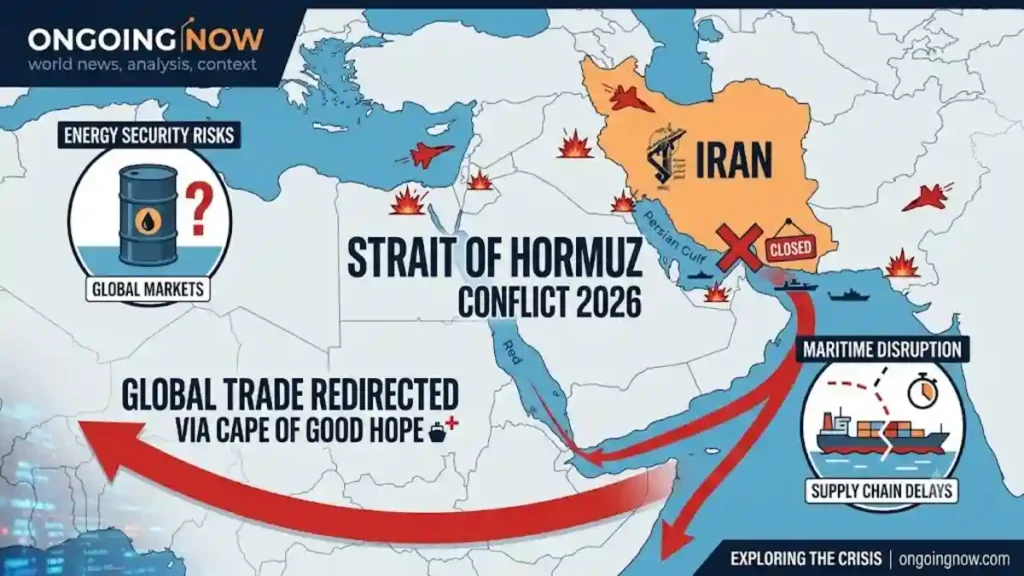
The naval conflict Indian Ocean theater has become a secondary front in the broader war. While the primary exchange of fire has been centered on the Persian Gulf and the Levant, the sinking of a warship near Sri Lanka demonstrates the global reach of the current hostilities. Sri Lanka, which remains officially neutral, now finds itself in the difficult position of managing a humanitarian crisis involving two warring powers.
Regional powers, including India and the Maldives, have expressed concern over the safety of commercial shipping lanes. The Indian Ocean serves as a primary artery for global energy supplies, and the introduction of submarine warfare into these waters poses a direct risk to the stability of global trade.
Human Impact: Families and Survivors
The humanitarian dimension of the IRIS Dena disaster is centered on the families of the 180 crew members. In the port of Galle, security has been tightened around the medical facilities where survivors are being treated. The Iranian Ambassador in Colombo, Alireza Delkhosh, has been in close contact with Sri Lankan officials to coordinate the identification of recovered bodies and the eventual repatriation of the rescued sailors.
For the local community in Sri Lanka, the incident is a stark reminder of the country’s proximity to global flashpoints. The island nation, still recovering from its own economic challenges, must now balance its diplomatic neutrality with the urgent need to provide medical and logistical aid to foreign combatants on its shores.
Evidence-Based Implications for Regional Security
The sinking of the IRIS Dena provides several key insights into the current state of maritime warfare:
Submarine Dominance: The incident underscores the difficulty surface vessels face against modern attack submarines in deep-water environments.
Neutral Territory Proximity: The proximity of the strike to Sri Lanka’s Search and Rescue (SAR) zone highlights how quickly neutral nations can be drawn into the logistical periphery of a conflict.
Logistical Disruptions: The presence of an oil slick and the ongoing search for survivors have necessitated the temporary rerouting of some commercial vessels south of the island.
Would you like me to track any further updates regarding the search and rescue efforts or diplomatic statements from Tehran and Washington?
Stay sharp with Ongoing Now!
Source and Data Limitations: This report is based on verified dispatches from Reuters, AFP, and official statements from the Sri Lankan Foreign Ministry and the US Department of Defense as of March 4, 2026. Data regarding the exact number of missing personnel contains minor discrepancies (ranging from 101 to 148) due to the ongoing nature of the search and rescue operation and the sensitivity of military manifests. Speculative claims regarding “imminent” further attacks have been excluded in favor of confirmed military movements and documented distress calls.