Pam Bondi Testimony: House Judiciary Committee Oversight:
Attorney General Pam Bondi faces House Judiciary Committee scrutiny regarding Department of Justice oversight and the disclosure of the Jeffrey Epstein files.
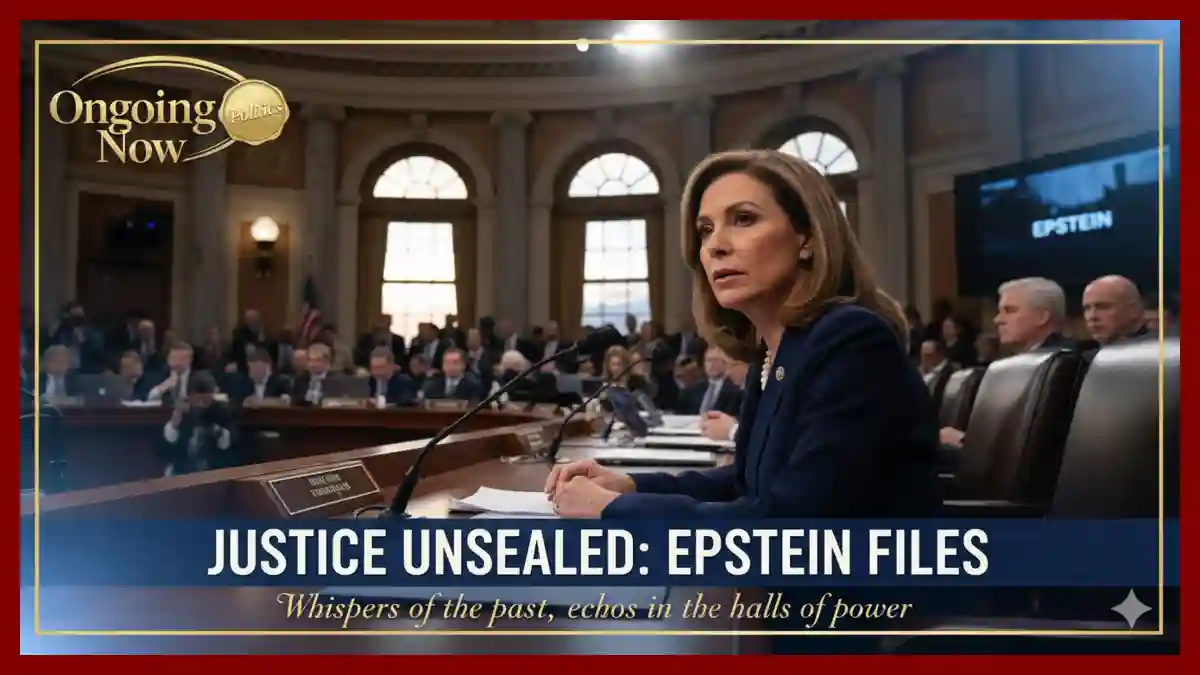
On February 11, 2026, Attorney General Pam Bondi appeared before the House Judiciary Committee for a high-stakes oversight hearing. This session represents a pivotal moment in the current administration’s second year, as lawmakers examine the Department of Justice’s (DOJ) recent policy shifts, personnel changes, and its response to the Epstein Files Transparency Act. The hearing reflects broader institutional tensions between executive branch authority and congressional oversight responsibilities.
The testimony centered on three primary pillars of inquiry: the procedural handling of millions of pages of documents related to the late Jeffrey Epstein, the administration’s internal restructuring of the DOJ, and the legal ramifications of pending litigation involving federal agencies. Attorney General Bondi defended her tenure, highlighting what she characterized as “tremendous progress” in refocusing the department on violent crime and immigration enforcement. Meanwhile, committee members raised concerns about transparency, the protection of victim identities in public disclosures, and the preservation of traditional prosecutorial independence.
Key Developments: February 11, 2026 Hearing
The hearing began at 10:00 a.m. ET and was marked by several critical exchanges between the Attorney General and committee leadership. Below is a summary of the day’s primary institutional and procedural focuses:
Epstein Files Disclosure: The DOJ has released millions of pages of records following legislative mandates, yet faces criticism from both parties regarding the volume of redactions.
DOJ Personnel Shifts: Discussions focused on the departure of career prosecutors within the Civil Rights Division and the Public Corruption section over the past twelve months.
Legal Settlements: Lawmakers scrutinized the department’s role in evaluating federal damages claims and pending litigation brought by the President against the Treasury Department and IRS.
Institutional and Legislative Context
The legislative framework guiding this testimony is rooted in the 119th Congress’s focus on Department of Justice oversight. Under the leadership of Chairman Jim Jordan, the House Judiciary Committee has emphasized a review of “weaponization” within federal law enforcement, while Ranking Member Jamie Raskin has focused on the protection of civil liberties and the integrity of the Epstein investigation.
| Policy Area | Legislative/Regulatory Focus | Institutional Status |
| Epstein Files | Epstein Files Transparency Act | Ongoing document release and redaction review |
| DOJ Oversight | Rule X, House of Representatives | Regular performance and budget reviews |
| Personnel | Federal Civil Service Regulations | Significant attrition in career attorney ranks |
| National Security | Intelligence Community Assessments | Review of past investigative procedures |
Analysis: The Intersection of Transparency and Privacy
A central tension during the Pam Bondi testimony was the balance between public transparency and the privacy of sexual assault survivors. The DOJ argued that certain redactions in the Epstein files were necessary to protect victims’ identities, a claim that faced scrutiny when sensitive information was inadvertently made public in early 2026.
“We took down files when we were made aware they included victims’ information… staff tried to do our very best in the time frame allotted by the legislation.” — Attorney General Pam Bondi, House Judiciary Committee, Feb 11, 2026.
This debate highlights a significant administrative challenge: the Department must comply with a mandate for “nearly all files” while navigating the ethical and legal minefield of survivor privacy. Critics, including Rep. Thomas Massie and Rep. Ro Khanna, have argued that the redactions go beyond victim protection, potentially shielding individuals who were not victims but were associated with Epstein’s activities.
Congressional Interrogations and Perspectives
The opening statements set the tone for the day’s proceedings. Ranking Member Jamie Raskin offered a critical assessment of the department’s current direction, while Chairman Jim Jordan underscored the administration’s efforts to reverse previous policies.
Jamie Raskin Opening Statement Summary
Rep. Raskin accused the Attorney General of orchestrating what he described as a “betrayal of the principle of justice for all.” He introduced survivors of Epstein’s abuse into the hearing room, framing the DOJ’s handling of the files as a failure to serve the public interest. Raskin specifically pressed Bondi on whether settlements involving the President’s personal litigation would violate the Constitution’s Emoluments Clause.
Jim Jordan DOJ Oversight Perspective
Chairman Jordan praised the Attorney General for “undoing actions” of the previous administration. His focus remained on the department’s internal reforms, which Republicans argue are necessary to prevent the politicization of law enforcement. “What a difference a year makes,” Jordan remarked, highlighting the shift toward focusing on cartels and border security.
Human and Societal Impact of DOJ Policy Shifts
The shifts within the Department of Justice have direct consequences for various communities across the United States. In Minnesota, for instance, the U.S. Attorney’s Office has experienced significant strain due to a surge in immigration-related litigation and the resignation of career staff. This has reportedly impacted the speed of federal prosecutions for non-immigration-related crimes.
For the survivors of Jeffrey Epstein, the handling of the files is not merely a political debate but a matter of personal closure and safety. The inadvertent release of sensitive data has led to renewed calls for more rigorous, non-partisan oversight of the redaction process. This societal impact underscores the need for a Department of Justice that functions with both efficiency and a high degree of technical accuracy.
Comparative Insight: Institutional Precedents
The current friction between the House Judiciary Committee and the DOJ mirrors past periods of intense oversight, such as the investigations following the 1970s Watergate scandal and the 1990s independent counsel inquiries. However, the 2026 hearings are unique in their focus on the digital-age challenges of processing vast amounts of investigative data (the Epstein files) and the use of social media influencers to disseminate government-held information.
In 2025, the Attorney General distributed binders of Epstein-related documents to social media influencers at the White House—a departure from traditional press briefings. This method of communication has sparked a debate on the “democratization of information” versus the risk of bypassing established journalistic standards for vetting sensitive records.
Analysis of the Federal Workforce
Beyond the headlines of the hearing, the “By the Numbers” data regarding the DOJ’s workforce suggests a period of transition.
1,500+: Federal pardons or commutations issued since January 2025.
30%: Estimated attrition rate in certain divisions of the Civil Rights Department.
Millions: Pages of Epstein-related documents processed in the last 12 months.
The long-term impact of these personnel changes remains to be seen. If the department continues to see a “mass exodus” of career attorneys, its ability to manage complex litigation and public corruption cases may be diminished, regardless of the policy priorities of the sitting Attorney General.
Stay sharp with Ongoing Now!
Related Coverage: Epstein Files Release: The Reckoning Begins
Source and Data Limitations: This report is based on live coverage and official transcripts from the House Judiciary Committee hearing held on February 11, 2026. Supporting data includes reports from the Associated Press, NPR, CBS News, and official press releases from the House Committee on the Judiciary (Democrats and Republicans). Factual citations are derived from the 119th Congressional record. Information regarding Jeffrey Epstein’s files is subject to ongoing redaction reviews by the Department of Justice. The report excludes unverified social media claims and speculative theories regarding future indictments or political candidacies not supported by official court filings or government records.