Music Intellectual Property: A Legal Guide to Copyright Registration
U.S. Copyright Office filing guide highlights federal copyright registration benefits and song ownership legal requirements.
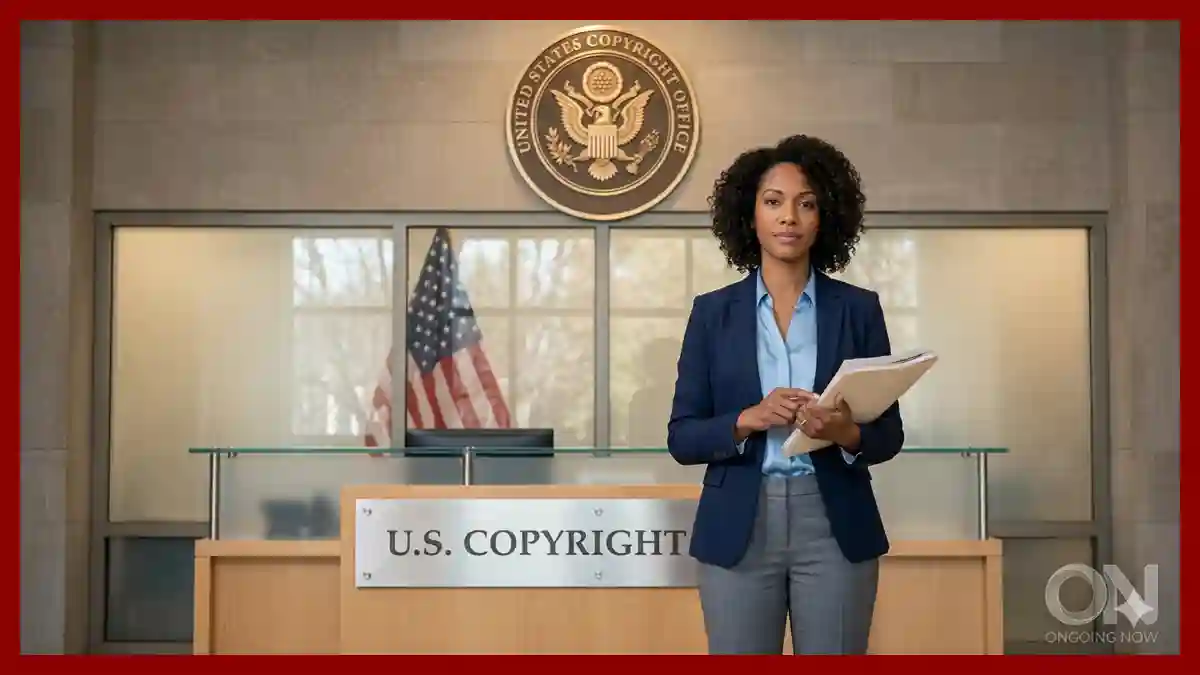
The United States legal framework for music protection is built upon the principle of “fixation,” where a work is protected the moment it is recorded or written down. However, understanding how to register music copyright remains a critical administrative step for creators seeking the full weight of federal protection. In 2026, the digital landscape has further complicated these protections, necessitating a clear grasp of musical work protection rules and the distinction between the composition (PA) and the sound recording (SR).
Modern music intellectual property laws emphasize that while protection is automatic upon creation, federal copyright registration benefits are indispensable for enforcement. Without a certificate from the U.S. Copyright Office, a creator cannot initiate an infringement lawsuit in federal court—a prerequisite for seeking statutory damages or attorney’s fees. This distinction is vital for everyone from independent artists to copyright registration for producers who may handle both the underlying melody and the final master track.
The Mechanism of Music Intellectual Property Laws
Under 17 U.S.C. § 102, copyright protection extends to “original works of authorship fixed in any tangible medium of expression.” In the music industry, this creates a dual-layer system of ownership. The first layer is the “musical work,” which encompasses the lyrics, notes, and composition. The second layer is the “sound recording,” which is the specific fixation of sounds on a medium like a digital file or vinyl.
Song ownership legal requirements dictate that for a work to be copyrightable, it must possess a “modicum of creativity.” This legal standard has been tested frequently regarding individual song elements. While a melody is clearly protectable, the bass line copyrightability often depends on its complexity and distinctiveness. Simple, repetitive patterns may be deemed “scenes a faire”—elements that are so standard to a genre that they cannot be owned. Similarly, percussion pattern legal protection is generally limited; most standard drum beats are considered functional rather than expressive, though highly unique, “hook-like” patterns may occasionally qualify for protection under specific circumstances.
Federal Copyright Registration Benefits
The incentive to file with the U.S. Copyright Office goes beyond mere record-keeping. The legal advantages of registration include:
Public Record of Ownership: Establishes a legal “presumption of validity” if filed within five years of publication.
Federal Court Access: Registration is a jurisdictional requirement for filing an infringement suit in the United States.
Statutory Damages: Registered owners can seek predetermined damage amounts (up to $150,000 per willful infringement) without proving actual financial loss.
Customs Protection: Owners can record their registration with U.S. Customs and Border Protection to stop the importation of infringing copies.
US Copyright Office Filing Guide: Step-by-Step
Navigating the Electronic Copyright Office (eCO) portal requires technical precision. A mistake in the “Type of Work” selection can lead to a rejected application or a vulnerable copyright.
Preparation of Deposit Materials: You must provide a “deposit” of the work. For an unpublished musical work, this can be a lead sheet, sheet music, or a high-quality audio file (MP3/WAV).
Selection of Application Type: Use Form PA (Performing Arts) for compositions and Form SR (Sound Recording) for the master tracks. Producers who own both can often use a single Form SR to cover both works, provided the claimant is the same.
The “Group Registration” Strategy: To manage costs, the US Copyright Office filing guide allows for the “Group Registration of Works on an Album” (GRAM). This allows for up to 20 musical works or 20 sound recordings to be registered under one fee (approximately $85 as of 2026), provided they share a common author.
Submission and Fees: After paying the non-refundable filing fee, the applicant must ensure the digital upload is confirmed. The effective date of registration is the day the Office receives all required materials in an acceptable form.
| Requirement | Musical Work (PA) | Sound Recording (SR) |
| Protects | Lyrics, Melody, Harmony | The specific audio performance |
| Common Claimants | Songwriters, Publishers | Artists, Producers, Labels |
| Deposit Type | Sheet music or Audio | Audio file (WAV/MP3) |
| Standard Fee | $45 – $65 (Single) | $45 – $65 (Single) |
Secondary Liability: Vicarious vs. Contributory Infringement
In the digital age, legal disputes often involve parties who did not directly steal the music but facilitated the theft. Understanding vicarious infringement vs contributory infringement is essential for platform owners and labels.
Contributory infringement occurs when a party has knowledge of the infringing activity and “induces, causes, or materially contributes” to it. This is often described as acting as an “accomplice.” In contrast, vicarious infringement does not require the defendant to have knowledge of the theft. Instead, it applies when a party has the “right and ability to supervise” the infringing activity and possesses a “direct financial interest” in that activity. For instance, a venue owner who profits from a band playing unlicensed covers despite having the power to stop them may be held vicariously liable.
Cardi B Court Victory: Why the $50M Lawsuit Failed
Preemption by Copyright Act and Misappropriation
A significant hurdle in music litigation is preemption by Copyright Act (17 U.S.C. § 301). This federal statute effectively bars plaintiffs from bringing state-law claims (like “unfair competition” or “conversion”) if the core of the dispute is copyright infringement. If the work is “fixed in a tangible medium” and the right being asserted is equivalent to the exclusive rights of copyright, federal law preempts state law.
This relates directly to the IP misappropriation legal definition. Misappropriation is a common law doctrine used when one party takes the “fruits of another’s labor” for commercial gain. However, because of federal preemption, music creators cannot usually sue for “misappropriation” of a song; they must rely on federal copyright infringement claims. This makes the registration of musical work protection rules even more critical, as state-level “safety nets” are often unavailable.
The Role of Producers and Modern Creation
The rise of digital workstations has made copyright registration for producers a complex area of law. Under current standards, a producer’s contribution may be considered “authorship” if they make significant creative choices regarding the sound recording’s arrangement and sonic texture. However, if a producer is hired as an independent contractor without a “Work Made for Hire” agreement, the song ownership legal requirements can become murky, leading to disputes over “splits” or royalty percentages.
Legal experts recommend that all collaborations be governed by written agreements before registration. These documents should clearly define who owns the copyright and how the registration will be filed with the U.S. Copyright Office to ensure that the public record accurately reflects the creative reality of the studio.
Human and Societal Impact of Music Copyright
The legal protection of music is not merely a corporate necessity; it is a safeguard for cultural heritage. Copyright laws ensure that creators—especially those from marginalized communities whose work has historically been appropriated without credit—have a legal mechanism to demand compensation. By clarifying the boundaries of percussion pattern legal protection and melody ownership, the law seeks to balance the “right to exclude” with the “freedom to create.”
When copyright systems are transparent and accessible, they foster a vibrant creative economy. Conversely, overly aggressive litigation over “vibe” or standard bass line copyrightability can stifle innovation, creating a “chilling effect” where artists fear using basic musical building blocks. The current legal trend in 2026 leans toward protecting specific, unique expressions while leaving the “vocabulary” of music—the rhythms and basic chord structures—in the public domain.
Analysis: Why This Matters Now
The convergence of AI-generated content and global streaming has made the “fixation” of rights more urgent than ever. As the U.S. Copyright Office continues to refine its stance on machine-aided compositions, the human author’s role in “fixing” the work becomes the primary legal anchor.
What the Trends Mean:
The Shift to Data: In 2026, the metadata attached to a registration is as important as the audio itself. Clear documentation of every contributor is required to avoid future vicarious liability claims.
The Federal Prerequisite: As copyright trolling and AI-scrapers proliferate, the “statutory damages” afforded by registration are the only viable deterrent for independent creators against large-scale infringement.
This is informational only and not legal advice. Consult a licensed attorney for your situation.
Stay sharp with Ongoing Now!
Source and Data Limitations: This article is based on the U.S. Copyright Act (17 U.S.C.), circulars from the U.S. Copyright Office (specifically Circular 50 on Musical Compositions), and federal court precedents regarding secondary liability (MGM v. Grokster). Data regarding filing fees and eCO procedures is current as of April 2026. This report excludes unverified rumors regarding pending legislation that has not yet been signed into law. Information on “bass line” and “percussion” copyrightability is derived from established judicial standards such as the “extrinsic/intrinsic” test used in U.S. circuit courts.