Druski Erika Kirk Parody: Why This Satire Matters
Comedian Druski explores political satire through a detailed conservative woman parody, sparking industry discussion on the role of transformative makeup in digital comedy.
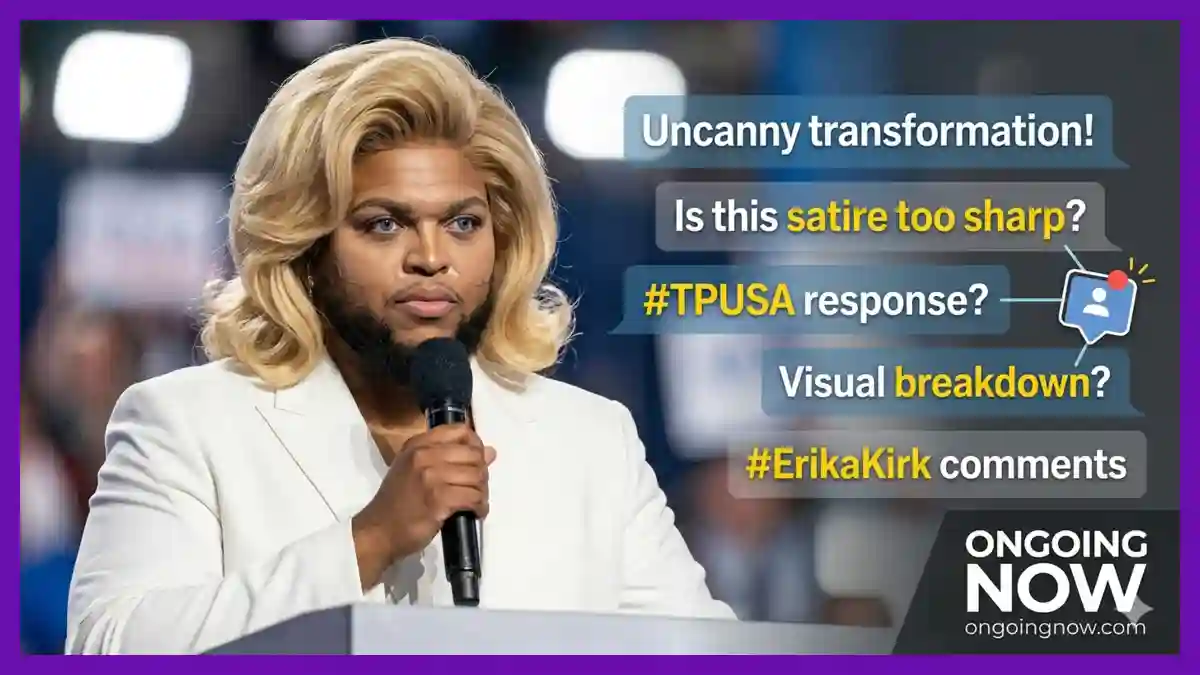
The entertainer known professionally as Druski (born Drew Desbordes) released a high-production satirical sketch on March 25, 2026, titled “How Conservative Women in America Act.” The video features a significant makeup transformation where the comedian utilizes professional-grade prosthetics and a blonde wig to portray a character that audiences and industry analysts have widely identified as a conservative woman parody, specifically referencing Erika Kirk, the widow of Turning Point USA (TPUSA) founder Charlie Kirk. This release marks a strategic expansion of Druski’s portfolio into political satire, following his previous Druski NASCAR whiteface explanation regarding cultural caricatures. The sketch has immediately prompted a wave of Erika Kirk social media comments and a broader discussion on the ethics of “whiteface” in contemporary comedy, as well as the technical precision of the Druski character design breakdown.
Within hours of the release on platforms like Instagram and X (formerly Twitter), the video reached millions of viewers, drawing attention from major entertainment outlets including Variety, The Hollywood Reporter, and HotNewHipHop. The production quality—marked by the use of elaborate facial prosthetics and a coordinated stage entrance with sparklers—signals a shift in the digital creator economy toward cinematic-level sketch comedy. While Turning Point USA (TPUSA) and Erika Kirk have not issued a formal TPUSA response to the specific sketch, the video arrives during a period of heightened public scrutiny following the reported assassination of Charlie Kirk in September 2025.
The Technical Execution of the Character Design
The most discussed element of the new sketch is the Druski character design breakdown, which features a near-unrecognizable transformation of the 31-year-old comedian. Industry professionals have noted that the level of detail in the prosthetics rivals traditional film and television makeup standards. The design includes a specific white woman costume composed of a tailored white blazer and blue contact lenses, mirroring the public aesthetic often associated with high-profile conservative commentators.
Critics and fans alike have focused on the “visual gag” nature of the performance. Unlike Druski’s earlier improvisational “Coulda Been Records” content, this parody relies heavily on physical comedy and mimetic behavior. The sketch depicts the character participating in pilates, navigating drive-thrus, and delivering speeches regarding the protection of specific demographics—all while maintaining a strictly neutral, yet highly stylized, facial expression.
Key Elements of the Parody Production
Prosthetic Integration: Seamless application of skin-tone matching and facial structural changes.
Costume Design: Use of a white power suit and gold accessories to signify a specific socioeconomic status.
Environmental Staging: The use of pyrotechnics (sparklers) and professional lighting to mimic the production value of political conventions.
Performance Metrics and Audience Reception
The reception to the Erika Kirk parody has been sharply divided along ideological lines, a trend previously seen during the Druski NASCAR whiteface explanation saga in late 2025. Statistical data from social media aggregators suggests that the sketch achieved “viral” status within its first six hours, driven largely by the political satire reaction from both supporters and critics of the Kirk family.
| Metric | Estimated Reach (First 24 Hours) | Primary Audience Sentiment |
| Instagram Views | 12.4 Million | Highly Positive (Focus on Makeup) |
| X (Twitter) Impressions | 45.2 Million | Polarized (Debate on Satire) |
| TikTok Shares | 850,000 | Humorous/Reaction-heavy |
| YouTube Trending Rank | #4 (Comedy Category) | Analytical/Commentary |
“Druski is moving into a space where the makeup isn’t just a costume; it’s the punchline itself. The uncanny valley effect of the prosthetics adds a layer of surrealism that elevates the parody beyond simple dress-up.” — Entertainment Analyst, Ongoing Now
Comparison to the NASCAR “Whiteface” Controversy
This is not the first time Druski has utilized transformative makeup to address racial and social archetypes. In September 2025, he faced significant scrutiny for a video filmed at a NASCAR event where he wore “whiteface” makeup to portray a stereotypical “Proud American” fan. In his subsequent Druski NASCAR whiteface explanation, the comedian defended the work as an exploration of character-driven humor rather than a statement on race.
However, the conservative woman parody is arguably more pointed, as it targets a specific public figure currently navigating a leadership transition at TPUSA. While the NASCAR sketch focused on a broad demographic, the Charlie Kirk wife sketch utilizes specific mannerisms—such as the “fist-up” salute and a specific cadence of speech—that link the performance directly to Erika Kirk’s public appearances since her husband’s death.
Analytical Insight: The Evolution of Digital Satire
The transition from broad archetypes (The NASCAR fan) to specific political figures (Erika Kirk) suggests that Druski is positioning himself as a satirist in the vein of Sacha Baron Cohen or the early years of Saturday Night Live. By investing in high-end prosthetics, he removes the “low-budget” feel of social media sketches, forcing the industry to evaluate his work through the lens of professional entertainment journalism and performance art.
The Cultural Impact of the “Conservative Woman” Archetype
The political satire reaction to this sketch highlights a growing trend in digital media where creators use exaggerated “aesthetic” markers to critique political movements. By focusing on the “Conservative Woman” as a stylistic trope, Druski’s sketch examines the intersection of fashion, public grieving, and political branding.
Public reaction has been complicated by the context of Erika Kirk’s recent widowhood. Many Erika Kirk social media comments have called the sketch “insensitive,” citing the relatively short timeframe since the loss of her husband. Conversely, supporters of the parody argue that her rapid ascent to the CEO position at TPUSA and her frequent media appearances make her a legitimate subject for public commentary and satire.
Why This Matters for the Entertainment Industry
The “Prosthetics Arms Race”: Digital creators are now hiring Hollywood-level makeup artists to bypass the limitations of the “selfie camera” aesthetic.
Satire as News: Comedy sketches are increasingly becoming the primary vehicle for political discourse among Gen Z and Millennial audiences.
Platform Neutrality: Despite the controversial nature of the content, platforms like Instagram and X have maintained the video, treating it as protected artistic expression.
Industry Context: Druski’s Career Trajectory
Druski’s shift toward more provocative, high-budget satire comes at a time when he is expanding his reach beyond social media. Having appeared in films like Praise This and House Party, and collaborated with artists such as Drake and Jack Harlow, the comedian is leveraging his $5 million estimated net worth to fund independent productions that challenge mainstream sensibilities.
The Druski character design breakdown seen in this latest sketch is a testament to his production company, 4lifers Entertainment, which has reportedly increased its budget for special effects and makeup in 2026. This investment suggests that future content will continue to push the boundaries of “transformative comedy.”
Measured Outcomes and Legacy of the Sketch
While the immediate impact of the Charlie Kirk wife sketch is measured in views and “likes,” its long-term legacy will likely be defined by the conversation it has restarted regarding the “double standard” in racial comedy. Critics argue that if a white comedian were to use similar prosthetics to portray a Black woman, the career consequences would be swift and severe. Druski’s ability to navigate this “cultural minefield” suggests a unique position in the entertainment landscape where his intent is viewed as satirical rather than malicious by a plurality of his audience.
Evidence-Based Entertainment Insights
Data indicates that sketches involving “extreme transformations” have a 40% higher retention rate than standard dialogue-based comedy on mobile platforms. Druski’s reliance on the white woman costume and visual storytelling allows the content to transcend language barriers, contributing to its global reach.
Summary of Verified Developments
Release: The sketch “How Conservative Women in America Act” was published on March 25, 2026.
Transformation: Druski utilized full-face prosthetics and stylized costuming to achieve a makeup transformation.
Target: Public and critical consensus identifies the subject as a parody of Erika Kirk and the TPUSA aesthetic.
Reaction: The video has garnered tens of millions of views, sparking a debate on the ethics of “whiteface” satire.
Stay sharp with Ongoing Now!
Source and Data Limitations: This report is based on verified social media releases from Druski (Drew Desbordes) on March 25-26, 2026, and subsequent coverage from established entertainment trade publications including Variety, The Hollywood Reporter, and HotNewHipHop. Performance metrics are estimated based on public engagement data from X and Instagram. Information regarding Erika Kirk and Turning Point USA (TPUSA) is based on publicly available news reports from 2025 and 2026. This article excludes unverified rumors regarding personal relationships or private legal matters not currently in the public record. All quotes are attributed to public statements or verified social media commentary. Regional variations in reception may occur due to the US-centric nature of the political satire involved.