The Global Cultural Resonance of the Cherry Blossom
Exploring how the Cherry Blossom shapes community identity from Japan and Korea to Philadelphia and Washington D.C.
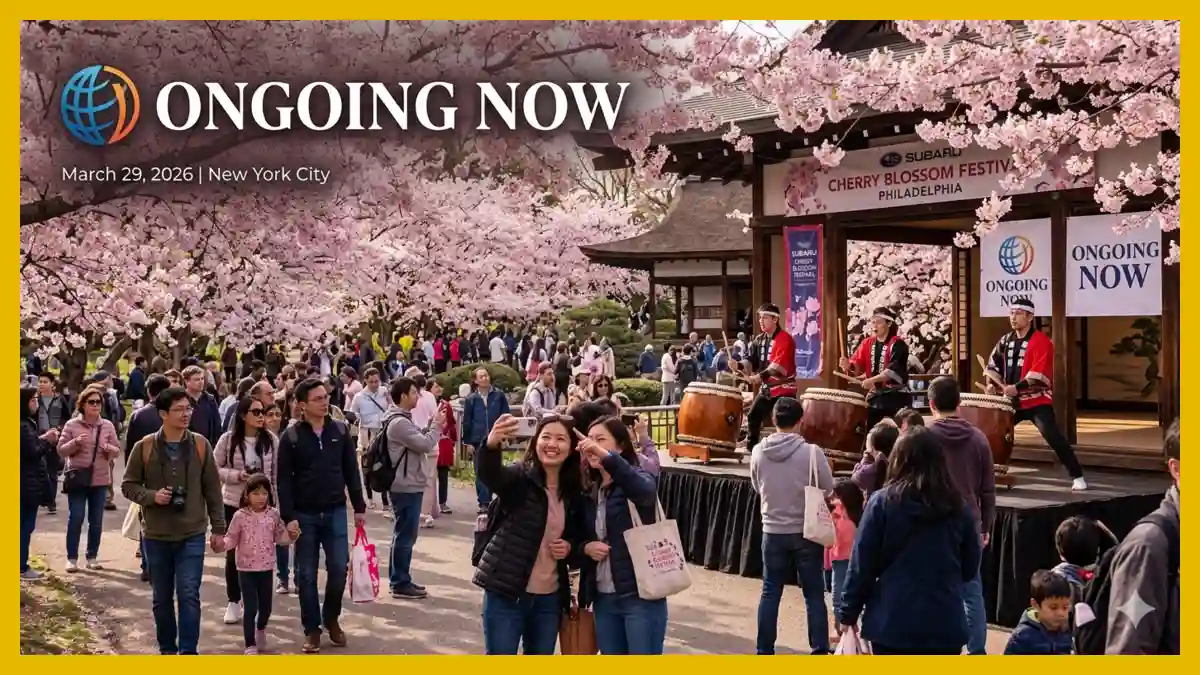
The Cherry Blossom remains a primary symbol of transience and renewal, shaping cultural identity through historical roots in East Asia and contemporary practice in global urban centers. From the ancient sakura festivals Japan holds dear to the Jinhae Gunhangje Festival Korea hosts annually, these blooms foster a shared appreciation for nature’s fleeting beauty. In North America, the National Cherry Blossom Festival in Washington D.C. and the Subaru Cherry Blossom Festival in Philadelphia represent decades of diplomatic and community-led heritage. These regional blossom events, including the Brooklyn Botanic Garden Sakura Matsuri and performances by West Chester Taiko drumming ensembles, highlight a transition from mere horticulture to a deep-seated expression of intercultural exchange and local belonging.
The cultural significance of the Cherry Blossom is anchored by institutions dedicated to preservation and education. Organizations such as the Japan Center for Michigan and the Gulf Coast, the Japan America Society of Greater Philadelphia, and the National Park Service manage the delicate balance between environmental stewardship and public celebration. Anthropologists often note that these festivals, such as the Philadelphia cherry blossom festival, act as “third spaces” where diverse populations congregate. Artistic contributions from groups like the Tamagawa Taiko Drum and Dance troupe further solidify the connection between the natural event and human performance, ensuring that the Cherry Blossom is viewed not just as a botanical phenomenon, but as a catalyst for community resilience.
Current Cultural Significance of the Cherry Blossom
Today, the Cherry Blossom serves as a global bridge, connecting traditional agrarian calendars with modern urban identity. While the biological peak bloom lasts only a few days, the cultural preparation spans months, involving thousands of volunteers and civic leaders. In Japan, the practice of hanami (flower viewing) is a foundational social ritual that reinforces family and professional bonds. This tradition has been exported and adapted, making the Cherry Blossom a centerpiece of spring programming in botanical gardens and public parks worldwide.
The modern relevance of the Cherry Blossom is also tied to its role in “soft diplomacy.” Many of the most famous groves in the United States were gifts from the Japanese government in the early 20th century, intended to symbolize lasting friendship. These trees have survived geopolitical shifts, becoming living monuments that require specialized care and historical contextualization. Festivals now use the bloom as a platform to showcase a wider array of Japanese arts, from tea ceremonies to contemporary calligraphy, ensuring the tree remains a relevant focal point for multifaceted cultural education.
Historical Roots: From Sakura Festivals Japan to Global Groves
The history of sakura festivals Japan observes dates back to the Nara period (710–794), initially focusing on plum blossoms before shifting to the sakura in the Heian era. Historically, the blooming of the trees signaled the beginning of the rice-planting season, serving a practical agricultural purpose. Over centuries, the aesthetic appreciation of the Cherry Blossom evolved into a poetic and philosophical pursuit, heavily influenced by Buddhist concepts of impermanence, or mono no aware.
Across the sea, the Jinhae Gunhangje Festival Korea celebrates has its own unique historical trajectory. Located in Changwon, the festival originally began as a memorial service for Admiral Yi Sun-sin but transformed into a world-renowned blossom event. The presence of the Cherry Blossom in Korea has faced complex historical interpretations, yet today it stands as a massive celebration of spring, drawing millions to the Yeojwa Stream. This evolution demonstrates how a single botanical entity can absorb and reflect the changing political and social narratives of a nation.
Community Expressions: Philadelphia vs DC Cherry Blossoms
When examining the Philadelphia vs DC cherry blossoms, one observes distinct community identities. The National Cherry Blossom Festival in D.C. is a large-scale, international event centered on the Tidal Basin, emphasizing the 1912 gift of 3,000 trees. It is characterized by grand parades and a high volume of tourism. Conversely, the Subaru Cherry Blossom Festival in Philadelphia, managed by the Japan America Society of Greater Philadelphia, offers a more localized, community-centric atmosphere centered in Fairmount Park.
The Philadelphia experience often emphasizes the integration of traditional arts, such as West Chester Taiko drumming, within a historic arboretum setting. While D.C. focuses on the monumental scale of its history, Philadelphia highlights the ongoing partnership between local residents and Japanese cultural practitioners. Both festivals, however, share a common goal: using the Cherry Blossom to foster environmental awareness and historical literacy among the public.
| Festival Location | Key Feature | Primary Cultural Anchor |
| Washington D.C. | Tidal Basin Groves | 1912 Diplomatic Gift |
| Philadelphia | Shofuso Japanese House | Community Arts & Taiko |
| Brooklyn | Sakura Matsuri | Botanical Education |
| Jinhae (Korea) | Yeojwa Stream | Naval History & Romance |
Why the Cherry Blossom Matters Culturally
The enduring appeal of the Cherry Blossom lies in its ability to facilitate “collective effervescence,” a sociological concept where a community comes together to participate in the same ritual. The bloom provides a rare, non-commercial reason for public gathering, centered on a shared observation of time passing. Culturally, the Cherry Blossom acts as a mirror; it reflects a society’s values regarding nature, history, and the importance of temporary beauty in an increasingly digital and permanent world.
Furthermore, the Cherry Blossom serves as a vital tool for intergenerational transmission. In festivals like the Brooklyn Botanic Garden Sakura Matsuri, older generations pass down stories of heritage while younger participants engage through modern mediums like cosplay or photography. This ensures that the tradition remains dynamic rather than static. The “Analysis” of these events suggests that the trees are not just scenery, but are active participants in the social fabric of the cities that host them.
Artistic Elements: West Chester Taiko Drumming and Performance
Performance is inseparable from the Cherry Blossom experience. In the Philadelphia region, West Chester Taiko drumming provides a rhythmic heart to the festivities. Taiko, an ancient form of Japanese percussion, was historically used in warfare, theater, and religious ceremonies. During a Philadelphia cherry blossom festival, the thunderous sound of the drums mimics the energy of the changing seasons, grounding the delicate visual of the flowers in a powerful auditory experience.
These performances often take place at the Shofuso Japanese House and Garden, a 17th-century style house that serves as a permanent cultural embassy in Fairmount Park. The inclusion of Taiko and traditional dance ensures that the Cherry Blossom is celebrated through a multisensory approach. This artistic layering helps visitors move beyond the “selfie” culture and into a deeper understanding of Japanese aesthetic principles like ma (space/interval) and wa (harmony).
Hidden Gem Flower Festivals and Regional Variations
Beyond the major metropolitan celebrations, hidden gem flower festivals offer a more intimate look at regional blossom traditions. Smaller regional blossom events in places like Macon, Georgia (which boasts over 350,000 Yoshino trees) or the Newark Cherry Blossom Festival in Branch Brook Park, provide unique local flavors. These smaller events often focus more heavily on local history and neighborhood pride, offering a quieter alternative to the massive crowds of D.C. or Jinhae.
In Korea, beyond Jinhae, the Gyeongju Cherry Blossom Festival allows visitors to see blooms set against the backdrop of ancient Silla dynasty burial mounds. This creates a different cultural resonance, linking the fleeting life of the Cherry Blossom with the eternal presence of the ancestors. These variations show that while the focus remains on the same species of tree, the cultural “soul” of each festival is dictated by the specific geography and history of its location.
What the Traditions Reveal: Evidence-Based Insights
The data surrounding Cherry Blossom attendance and participation reveals a significant trend toward “slow tourism” and a desire for authentic cultural immersion. According to festival organizers, visitors are increasingly seeking out workshops, such as tea ceremonies or calligraphy, rather than just viewing the trees. This suggests a shift from passive observation to active cultural participation.
Economic Impact: Major festivals generate hundreds of millions of dollars in regional economic activity, supporting local artisans and hospitality.
Environmental Awareness: The timing of the “peak bloom” has become a key data point for climate scientists, turning the Cherry Blossom into a bio-indicator that the public can easily understand.
Identity Formation: For the Japanese and Korean diasporas, these festivals are crucial for maintaining a connection to their heritage and sharing that identity with their current neighbors.
Identity and Intergenerational Transmission
The most profound impact of the Cherry Blossom is found at the individual and family level. For many community members, the annual return to the groves is a way to mark the passage of time in their own lives. “The trees are like old friends,” notes a regular attendee of the Subaru Cherry Blossom Festival. This emotional connection ensures that the labor-intensive work of maintaining these trees—which are often susceptible to disease and urban stress—is viewed as a community priority.
By involving youth through school programs and youth drum troupes, festivals ensure the Cherry Blossom remains a living tradition. The practice of gathering under the trees, whether in Japan or Philadelphia, reinforces a sense of belonging and continuity. It is a moment where the fast pace of modern life slows down to match the rhythm of the natural world, proving that the Cherry Blossom is more than just a flower—it is a vessel for human expression.
Stay sharp with Ongoing Now!
Source and Data Limitations: This article is based on documented cultural practices from the Japan America Society of Greater Philadelphia, the National Park Service (NPS), and the Korea Tourism Organization. Historical data regarding the Heian and Nara periods is sourced from established Japanese historiography. Climate-related bloom data is subject to annual variation and geographic location. This report excludes speculative claims regarding future bloom dates and focuses strictly on the established cultural and historical frameworks of the referenced festivals as of early 2026. All mentions of regional events are based on verified recurring festival schedules.


